Is Your Factory Ready for an IPP License? A Guide to Private Power Sales in 2026
January 15, 2026
Solar Panel Quality Standards in Pakistan Explained
January 19, 2026
A solar cell investment is usually advertised to last for 25 years. First of all, it is technically right but has little or no significance. A home purchase of solar panels should be an empowering expenditure rather than an act of faith. As solar energy adoption increases, many buyers face the same challenge: how can they ensure the product they are purchasing is genuinely original rather than repurposed or downgraded?
Counterfeit and non-authentic solar panels are no longer a rare occurrence. Some solar panels appear brand new, bear familiar brand names, and come with authentic documentation. That explains how authentic solar panel authentication has shifted from a technical know-how to a skill for a buyer. No engineering knowledge is required; you only have to understand what to check and when to dig deeper.
This tutorial will discuss genuine solar panel identification. In it, you will learn about the entry of non-genuine solar panels into the market, factors distinguishing genuine solar panels from counterfeit ones, and a genuine method for checking counterfeit solar panels. Finally, by completing this tutorial, I aim for you to be confident in authenticating solar panels rather than leaving it to suppliers.
Why Genuine Solar Panel Identification Matters More Than Ever?
The rise of counterfeit and refurbished panels in the market
This demand opens the market to many risks and unscrupulous businesses: the more urgent the demand for such systems, the greater the temptation to cut corners. Manufacturers and traders often push panels back into local markets after they fail factory quality checks, come from previous installations abroad, or suffer transport damage.
Sellers repair some of these panels and resell them, while others relabel them to imitate popular brands.
Not every cheap panel is counterfeit. On the flip side, not verifying the authenticity is where many buyers make an expensive mistake. Understanding this reality is the first step toward protecting your investment.
The real risks of using non-genuine solar panels
The panels might also experience inconsistencies in their outputs, a higher rate of degeneration, and an early malfunction of their electricity. And also, the cases associated with the warranty might seem genuine, but they can be disregarded upon verification with their respective companies.
When assessing long-term performance or comparing solar panel lifespan, authenticity plays a much larger role than marketing promises.
What “Genuine” Actually Means in Solar Panels?
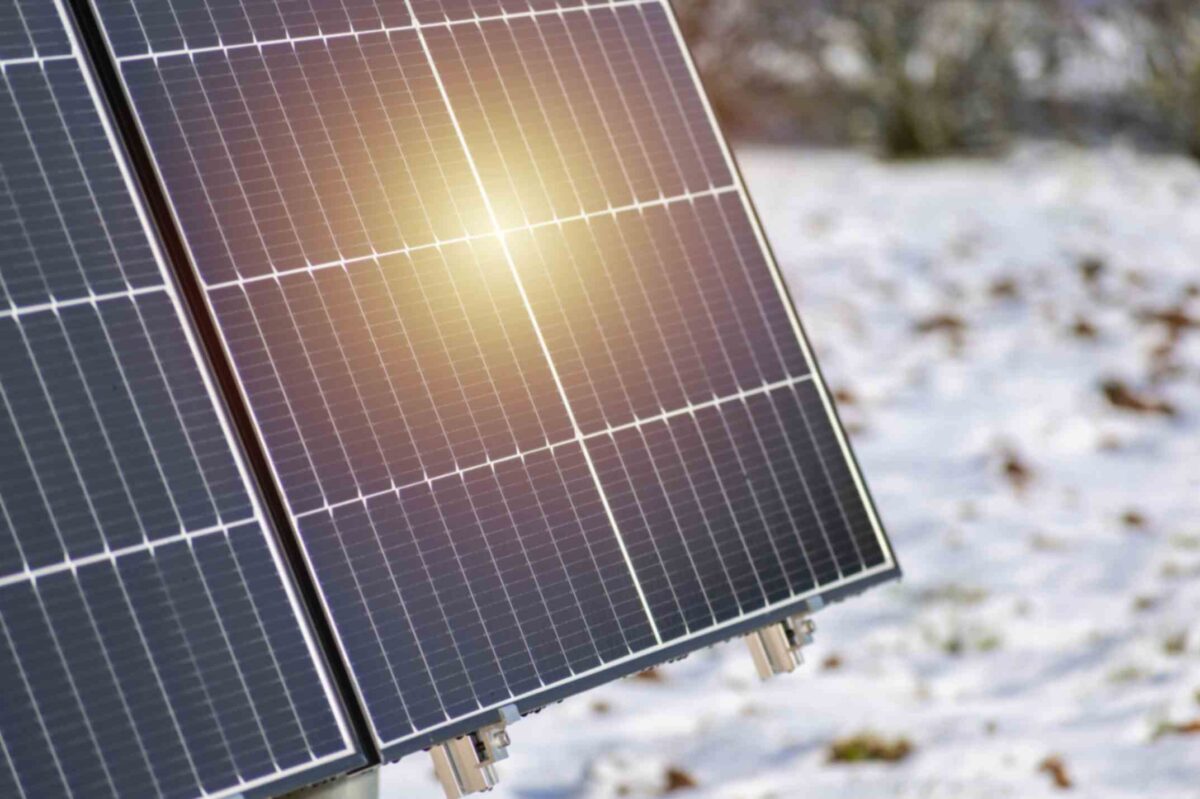
A genuine solar panel comes directly from the stated manufacturer, passes factory quality control, carries traceable serial numbers, and matches the specifications listed on the datasheet.
Refurbished panels: They are panels sold again after they were used or repaired. They may be made from different models with irregularities in their outputs. They can also result from companies creating fake panels through their labeling, logos, and descriptions. They might also result from companies attempting to sell refurbished
These are also confused, and thus it becomes hard for buyers to determine what they are really getting.
How do genuine panels differ beyond branding?
Original panels show consistency. Serial numbers follow a clear pattern. Labels are permanent and professionally printed. Electrical ratings match documentation precisely. Packaging and pallet markings are uniform.
This is why understanding A-Grade vs B-Grade Solar Panels should never be confused with verifying authenticity. Grade does not equal genuineness.
Common Types of Fake Solar Panels Found in the Market
Relabelled panels with fake branding
These panels feature common logos but are not checked by the manufacturers. Serial numbers can be absent, repeated, or incorrect. Details are printed using stickers that can be removed rather than the usual fixed panels.
Used or damaged panels sold as new
Some panels are cleaned or cosmetically repaired to appear unused. Worn junction boxes, uneven frames, microcracks, or residue marks often reveal prior installation.
Mismatched datasheets and misleading specifications
In many cases, paperwork belongs to a higher-rated model than the panel delivered. If label values and datasheet numbers do not align, this is a major warning sign.
Genuine Solar Panel Identification Through Physical Inspection
Examining the nameplate and manufacturer label
In each true panel, there is a perpetual nameplate bearing the manufacturer’s name, model, electrical rating, certifications for safety, place of manufacture, and a badge of a unique serial number.
“Those with labels that readily peel off, seem freshly applied, or don’t bear certification marks require close examination,” said Dr. Daniel P
Serial numbers and consistency across panels
Each panel should have a unique serial number. Repeated, missing, or inconsistent serials across the same batch are strong indicators of non-genuine stock and often invalidate warranties.
Visual quality indicators most buyers overlook
Check glass clarity, frame alignment, junction box sealing, cable thickness, and connector quality. These details reveal shortcuts that affect durability and contribute to a higher solar panel degradation rate over time.
Fake Panel Check Using Documentation and Verification
Matching the datasheet to the actual panel
Compare the electrical values printed on the panel with those listed on the datasheet. Voltage, current, power tolerance, and manufacturing origin must match exactly.
Any mismatch is not a minor error. It is a red flag.
Manufacturer verification methods buyers can use
Many manufacturers allow serial or batch verification through authorised distributors. Even when online tools are unavailable, confirmation is often possible via official channels when proper documentation is provided.
Packaging, pallet labels, and import markings
Genuine panels typically arrive in sealed pallets with consistent branding and printed identifiers. Mixed packaging, loose panels, or missing pallet labels should raise concerns immediately.
Electrical and Performance Clues That Reveal Non-Genuine Panels

Unrealistic wattage claims and pricing mismatches
Panels promising unusually high output at surprisingly low prices require extra verification. Understanding realistic solar panel efficiency expectations helps identify exaggerated claims.
Voltage and current inconsistencies during testing
Simple open-circuit voltage checks can reveal discrepancies. Significant deviations from expected values often indicate relabelled or downgraded panels.
Common Mistakes Buyers Make When Identifying Solar Panels
Trusting brand names without verification
A familiar brand name does not guarantee authenticity. Verification always matters.
Ignoring serial numbers and batch details
Many buyers skip serial checks entirely and only discover problems when warranty claims fail.
Assuming dealer reputation equals product authenticity
Even established suppliers can unknowingly source mixed stock. Independent verification protects both buyers and installers.
How to Confirm a Panel Is Genuine Before Final Installation?
Questions buyers should ask suppliers or installers
Request original datasheets, serial numbers in advance, batch or pallet details, and a clear warranty registration process.
Simple steps to take before accepting delivery
Inspect panels on arrival, photograph labels, compare documentation, and pause installation if anything feels unclear. These checks also support proper solar panel installation outcomes.
What to Do If You Suspect a Solar Panel Is Not Genuine?
Immediate steps to stop installation or payment
Pause calmly, document concerns, and avoid proceeding until verification is complete.
Verifying directly with the manufacturer
Share serial numbers and clear photographs with authorised representatives for confirmation.
Avoiding future mistakes through better checks
Once you understand the process, genuine solar panel identification becomes routine rather than stressful. It also helps you evaluate the overall solar panel performance ratio more accurately.
Final Thoughts on Genuine Solar Panel Identification
Real solar panel authentication is not about a lack of trust. Real solar panels offer guaranteed performance, a true warranty, and long-term peace of mind. Non-real solar panels offer a gamble in performance, a questionable warranty, and a potentially much more expensive gamble in the long run.
Regular solar panel maintenance checks often reveal early signs of refurbished or non-genuine panels, such as unexpected output drops, connection faults, or premature component wear that genuine panels rarely show.
By learning how fake panels reach the market, understanding what real panels always exhibit, and conducting a careful fake panel assessment prior to installing them, you are in total control of your solar investment.
Independent Power: Connect with Enon Traders Today!
Start your off-grid journey with Pakistan’s most reliable solar partner.
| Connect With Us | Action Link |
| Chat Instantly on WhatsApp | Get an off-grid system quote: Click to Chat Now! |
| Visit Our Website | View our off-grid inverters: Official Website |
| Call Our Experts | Design your custom micro-grid: Contact Page |