Off-Grid Solar System Design in Pakistan
January 26, 2026
Smart Inverters vs. The Grid: Managing “Curtailment” & Voltage Fluctuations in Lahore
January 27, 2026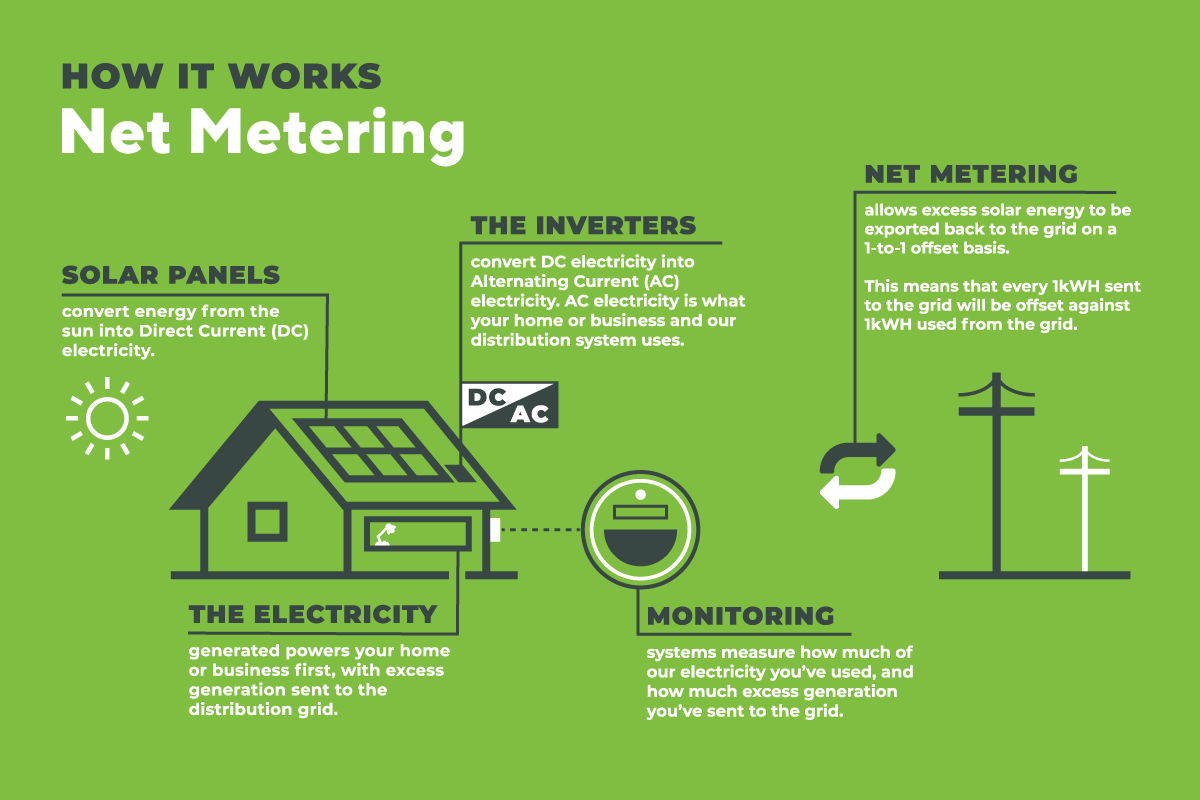
Many people assume net metering begins the moment solar panels are installed. That assumption causes more delays and confusion than most technical issues. The net metering application process is a separate approval system that operates under strict procedures, reviews, and inspections.
Understanding the process before applying makes a measurable difference. Prepared applicants submit complete documentation and move through approvals with fewer interruptions. This guide explains the net metering application process clearly, step by step, so you understand how it actually works, where problems usually occur, and how to prepare correctly from the start.
Who This Net Metering Application Guide Is For
The net metering application process is the formal procedure that allows a grid-connected solar system to export electricity legally. It does not begin automatically after installation, and it does not depend on how much energy your system produces.
Why the Net Metering Application Process Is Confusing in Pakistan
The process involves several departments that do not operate together. Documentation review, technical inspection, meter replacement, and billing updates all happen separately. During net metering inspections, officials check inverter protection settings, earthing quality, and grid synchronisation behavior. These checks are unrelated to energy savings or production estimates.
How does the application process differ from simply installing solar?
Solar installation focuses on generation. Net metering focuses on grid safety and billing accuracy. Inspectors are not assessing savings or output. They are checking inverter behavior, protection systems, and whether your system can interact safely with the grid—areas where common rooftop solar mistakes often occur.
Who Is Eligible for Net Metering in Pakistan and When to Apply
Not every solar user is ready to apply, even if the system is already installed and running internally.
Basic eligibility requirements that applicants must meet
Applicants must control the electricity connection legally and meet technical requirements defined by the utility. Inverter compatibility, protection devices, and system documentation must align with standards. Many issues are described under net metering eligibility requirements.
Why timing matters more than most people realise
Applying too early leads to missing documents. Applying too late delays billing benefits. The ideal time to apply is after installation, internal testing, and full compliance verification are complete.
Documents Required Before Starting the Application
Documentation problems cause more delays than technical failures.
Technical documents related to the solar system
Utilities require inverter specifications, single-line diagrams, and protection details that exactly match the installed system. Inspectors review paperwork before visiting the site. If documents do not match the installed system, the application stops immediately.
Ownership and consumer documents are commonly requested
Electricity bills, identity verification, and proof of property control are required. Even small mismatches between names or addresses can delay processing.
Why is incomplete paperwork the most common delay?
In reality, incomplete applications often get returned or placed on hold. This pattern appears repeatedly in net metering rejection reasons.
Net Metering Application Steps Explained in Order
Understanding the application steps removes uncertainty and helps you track progress realistically.
Step 1: Submitting the initial application
The process begins with a formal submission to the electricity distribution company. This stage focuses entirely on documentation and basic eligibility.
Step 2: Preliminary review by the distribution company
Officials verify records, load capacity, and system details. If discrepancies appear, the application is placed on hold and does not move to inspection.

Step 3: Technical feasibility and site assessment
Inspectors examine inverter compliance, earthing, protection devices, and wiring. This step confirms grid safety rather than system performance.
Step 4: Meter approval and installation coordination
Once technical approval is granted, the meter department schedules installation of a bidirectional meter. Delays at this stage are common and often unrelated to the applicant.
Step 5: Final testing, commissioning, and agreement signing
The system synchronises with the grid, and a net metering agreement is signed. Only after this step can electricity legally flow back to the grid.
Typical timelines at each stage
Initial reviews may take a few weeks. Inspections depend on workload and availability. Meter installation can add additional waiting time. Total timelines range from several weeks to several months.
Why do some applications move faster than others?
Applications with complete documents and compliant systems move smoothly. Systems that require corrections face repeated delays. Many of these delays relate to items listed in the net metering inspection checklist.
Factors that commonly slow the process down
Non-compliant inverters, missing protection devices, document mismatches, and poor coordination between installers and utilities are the most common causes.
Technical non-compliance issues
Inverters lacking certification or improper earthing arrangements often fail inspection. Fixing these issues after installation is costly and time-consuming.
Documentation and ownership mismatches
Differences between bill names and property records trigger review delays. Verbal explanations do not resolve these issues.
Coordination gaps between the installer and the utility
Some installations proceed without considering net metering requirements. This disconnect appears frequently in solar installation mistakes in Pakistan.
What Happens After Your Application Is Approved?
Approval alone does not activate electricity export or billing adjustments.
Meter replacement and system synchronisation
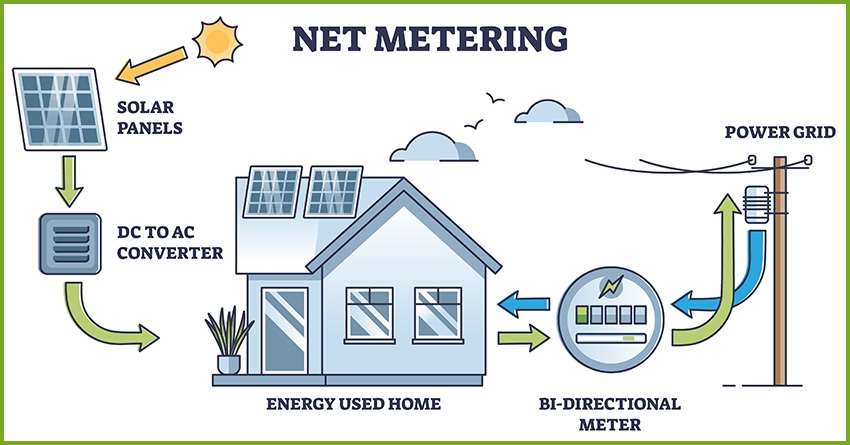
A bidirectional meter records imported and exported electricity separately. Exported units do not count until this meter is installed and activated.
When billing adjustments actually begin
Billing adjustments usually appear in the billing cycle following commissioning. Many applicants assume something went wrong when changes are not immediate.
What changes on your electricity bill
Exported units offset imported units according to billing rules. Understanding this avoids confusion about how net metering billing works.
Responsibilities After Net Metering Goes Live
Once net metering is activated, system faults or unauthorised changes can lead to disconnection from the grid.
System maintenance and performance monitoring
Faulty systems can be disconnected from the grid. Regular maintenance protects approval status.
Compliance obligations that continue after approval
Any system expansion or modification requires approval. Unauthorized changes can suspend net metering, a risk often overlooked amid Pakistan’s solar policy changes in 2026.
When It Makes Sense to Pause or Reapply?
Applications should be paused if ownership records are unclear or system compliance is not fully confirmed.
Situations where waiting is the better option
If documentation is unclear or compliance is uncertain, waiting prevents rejection and longer delays.
How does reapplication work if an application is rejected?
Rejected applications require corrections and resubmission. Understanding this process reduces stress and wasted effort.
Key Takeaways for a Smooth Net Metering Application
Prepare documentation carefully.
Verify technical compliance before applying.
Expect multi-stage approvals and delays.
How preparation reduces delays and frustration
Applicants who understand the process experience fewer surprises and faster approvals.
Conclusion
The net metering application process is not complicated, but it is exact. Most delays happen because applicants assume the process will adjust around them. It does not. Applicants who understand the steps, prepare documents carefully, and respect timelines move forward with confidence. Those who rush often face avoidable delays. Understanding the process early turns net metering from uncertainty into a predictable approval path. It is the foundation of approval.
Independent Power: Connect with Enon Traders Today!
Start your off-grid journey with Pakistan’s most reliable solar partner.
| Connect With Us | Action Link |
| Chat Instantly on WhatsApp | Get an off-grid system quote: Click to Chat Now! |
| Visit Our Website | View our off-grid inverters: Official Website |
| Call Our Experts | Design your custom micro-grid: Contact Page |