Future-Proof Solar System Design in Pakistan: Build a Scalable Solar Setup
April 15, 2026
Solar Price Forecast in Pakistan (2026): Future Prices, Market Trends, and What to Expect
April 17, 2026
In Pakistan, the solar market is growing at a tremendous rate. With the rise in electricity rates, load shedding, and awareness about solar energy, thousands of individuals are installing solar power systems in their homes or businesses.
For many individuals researching solar systems, there is confusion about taxes imposed by the government. One question is commonly asked by individuals buying or installing solar systems.
What is the customs duty on solar panels in Pakistan?
Some individuals think that solar equipment is completely tax-free. Others think that high import taxes are charged on solar products.
The answer is somewhere in between.
In Pakistan, solar panels are exempt from taxes as part of the renewable energy policy. However, other solar system equipment is subject to import taxes or sales taxes. It is important for individuals, businesses, and solar panel installers to have knowledge about taxes in order to make correct decisions before investing in solar energy.
Quick Answer: Customs Duty on Solar Panels in Pakistan
In most cases, customs duty on solar panels in Pakistan is reduced to zero because the government encourages renewable energy adoption. However, other components such as inverters, batteries, mounting structures, and electrical protection devices may still include import duty or GST depending on their classification and the current federal budget policy.
Because a solar system includes several different types of equipment, the overall installation cost can still include taxable items even though the solar panels themselves are exempt.
Typical Tax Status of Solar Equipment in Pakistan
|
Solar Component |
Typical Import Duty Status |
Notes |
|
Solar Panels (PV Modules) |
Often zero or reduced duty |
Encouraged under the renewable energy policy |
|
Solar Inverters |
May include GST or import duty |
Classification varies |
|
Lithium Batteries |
Often taxable |
Energy storage is treated separately |
|
Lead Acid Batteries |
Usually taxable |
Not always included in solar incentives |
|
Mounting Structures |
May include import duty |
Classified as metal hardware |
|
Electrical Protection Devices |
May include GST |
Required for system safety |
Understanding these differences helps explain why the total cost of a solar system may still include taxes even when solar panels themselves receive duty exemptions.
Understanding Solar Panel Imports in Pakistan
Pakistan adds more solar energy capacity every year. Homes, industries, tube wells for agricultural purposes, and commercial businesses are increasingly turning to solar energy as a means of saving money on electricity bills.
Despite the high rate of growth, the solar equipment used in Pakistan is still mostly imported. There is a lack of local capacity to manufacture solar equipment, and the majority of the solar panels are imported from abroad.
At the moment, China is the largest manufacturer of solar panels in the world. There are a number of manufacturers who produce solar panels in massive quantities and export them to the rest of the world. The solar panels are imported to Pakistan by the importers in bulk shipments, and the ships enter the port of Karachi.
After the solar equipment enters the country, the importers clear the equipment from the port. After clearing the equipment from the port, the solar panels are supplied to the solar equipment dealers and installers in cities such as Lahore, Islamabad, and Faisalabad.
This is a major factor in the determination of the price of solar equipment in the country.
Pakistan’s rapidly expanding demand for solar energy has also turned the country into an important regional market for renewable energy imports. You can explore this trend in Why Pakistan Is Becoming a Major Solar Market.
What is the customs duty on Solar Panels?
Customs duty is a tax applied by governments to imported goods when they enter the country through official ports.
When products arrive at customs checkpoints, authorities inspect the shipment, classify the goods, and calculate applicable taxes or duties.
Governments apply import duties for several reasons. These include generating public revenue, regulating international trade, and protecting domestic industries.
Solar energy systems include multiple imported components, such as:
- Solar panels
- Solar inverters
- Solar batteries
- Mounting structures
- Electrical protection equipment
These items do not always fall under the same tax category. Some may qualify for government incentives, while others remain subject to import duties or sales taxes.
Understanding these classifications helps explain why the final cost of a solar installation can vary significantly.
Are Solar Panels Tax Exempt in Pakistan?
Pakistan has always encouraged the use of renewable energy through supportive policies.
Energy crises and the hike in electricity rates have compelled the government to encourage the use of solar energy.
Therefore, photovoltaic modules are often given reduced or zero customs duty under the initiative of renewable energy.
Removal of import duties on solar panels makes the use of renewable energy cheaper.
However, the government’s policies are not rigid.
Federal budgets may change the tax rules.
Individuals interested in using solar energy should be aware of the changes in the policies that may affect the prices. These policy developments are discussed in Pakistan Solar Policy 2026 – What’s Changing and How It Will Affect You.
GST and Other Taxes on Solar Equipment
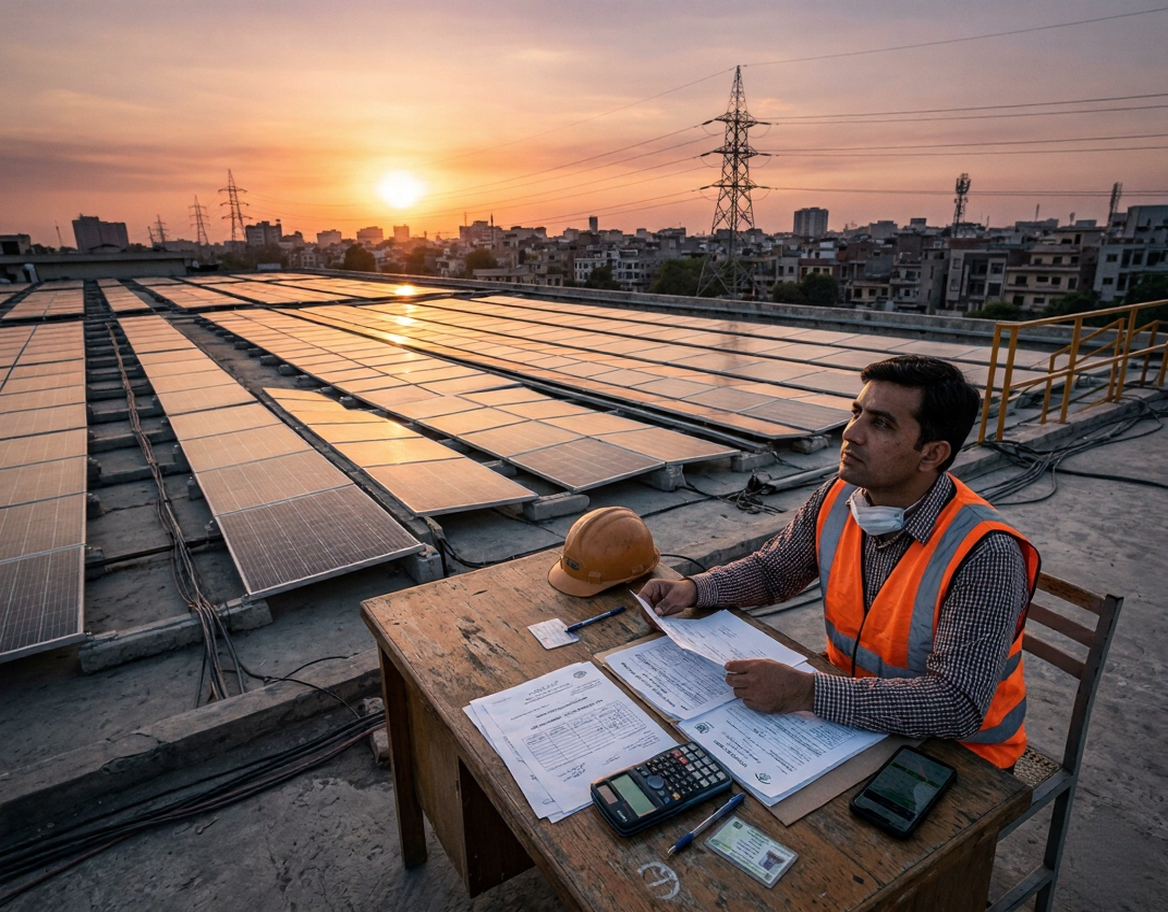
One of the biggest misconceptions in the solar market relates to the taxation of complete solar systems.
Many buyers assume that if solar panels are tax-exempt, the entire solar system must also be tax-free. This assumption is incorrect.
A solar installation includes several different components, and many of those components remain taxable.
These may include:
- Solar inverters
- Lithium batteries
- Lead-acid batteries
- Electrical protection devices
- Mounting structures and installation hardware
For example, a system may include equipment like the Inverex Nitrox 10 kW On-Grid Solar Inverter, which may fall under a different tax classification during import.
Similarly, energy storage systems such as the Osaka Tubular Battery 200Ah may follow separate import tax rules. Because of these differences, a solar system cannot be considered entirely tax-free even if solar panels themselves receive duty exemptions.
Understanding this distinction helps buyers set realistic expectations about solar installation costs.
How Import Duty Influences Solar Panel Prices
Prices of solar equipment in Pakistan are volatile and change frequently. The price of solar equipment is also affected by the import duty charged on the equipment. Importers have to calculate the total landed cost of the solar equipment before supplying the solar equipment to dealers and installers.
When the duty on solar equipment increases, the price of the solar equipment also increases.
Exchange rate fluctuations also have a major role to play in the solar industry. So, if the value of the Pakistani Rupee falls in terms of the US dollar, the price of solar panels increases manifold.
Shipping costs, container availability, and manufacturing trends are also factors that affect the solar industry.
Prices of solar equipment are reduced by global solar manufacturers due to the high production capacity of solar equipment. In such cases, the price of solar equipment is reduced for the importer, and the benefit is passed on to the consumer.
These global and local price trends are explained in Imported Solar Modules and Batteries – Cost Trends in Pakistan.
Why Solar System Costs Include More Than Panels
Another common misunderstanding occurs when people compare solar panel prices with the total cost of installing a solar system.
Solar panels represent only one part of the system. Several other components are necessary for a safe and functional solar installation.
These components typically include:
- Solar inverters
- Mounting structures
- Electrical wiring
- Protection devices
- Installation hardware
Electrical safety equipment is particularly important in solar systems. Installations often include protection devices such as the Schneider DC Circuit Breaker for Solar Protection to prevent electrical faults and protect expensive equipment.
Because of these additional components, the final cost of installing solar will always exceed the price of panels alone.
A detailed breakdown of solar installation costs can be found in How Much Does a Rooftop Solar System Cost in Lahore.
Common Confusion About Solar Import Taxes
Many people assume that the imports of solar follow a simple principle: either everything is either tax-free or everything is taxed. The reality is a bit more complex than that. While the solar panels are tax-relieved due to government incentives, the rest of the solar system can have import duty and GST applied.
There are also logistics issues such as freight, container fees, and the distributors’ margins to consider. These all add to the final price paid by the consumer. Consumers should also be wary of very low prices for imported solar equipment. While low prices for solar equipment are a good thing, very low prices can often mean low-quality products or even outdated products.
Understanding equipment standards helps buyers avoid long-term reliability problems. A helpful guide on this topic is How to Choose Quality Solar Equipment in Pakistan.
How Solar Policy Shapes the Future of Solar in Pakistan
Government policy continues to play a crucial role in the development of Pakistan’s solar industry.
When policymakers reduce import duties or introduce incentives, solar adoption typically increases because system costs become more affordable.
At the same time, uncertainty in policy can slow investment decisions. Installers and businesses prefer stable regulatory frameworks that allow them to plan long-term solar projects.
Future developments in import regulations, net metering rules, and renewable energy incentives will continue shaping Pakistan’s solar market. As electricity tariffs rise and grid reliability challenges persist, solar energy is expected to remain a major part of Pakistan’s long-term energy transition.
Conclusion
Customs duty for solar panels in Pakistan is not properly understood. Photovoltaic modules are often exempt from tax under government policies for the promotion of renewable energy. However, other equipment used in the solar system may still be liable for customs duty or GST.
Therefore, the pricing of solar equipment depends on various factors, including government policies, exchange rates, and transportation costs.
Understanding the customs duty and GST for different equipment used in the solar system will help people invest in the right equipment.
As the country is increasing its capacity for using solar power, those who have an understanding of the tax structure will be able to plan the right equipment for a reliable source of power.
Independent Power: Connect with Enon Traders Today!
Start your off-grid journey with Pakistan’s most reliable solar partner.
| Connect With Us | Action Link |
| Chat Instantly on WhatsApp | Get an off-grid system quote: Click to Chat Now! |
| Visit Our Website | View our off-grid inverters: Official Website |
| Call Our Experts | Design your custom micro-grid: Contact Page |