Battery Storage for Home Solar: Is It Worth It in Pakistan in 2026?
November 25, 2025
Solar-Powered Tube Wells & Irrigation in Punjab: Benefits and Risks
November 26, 2025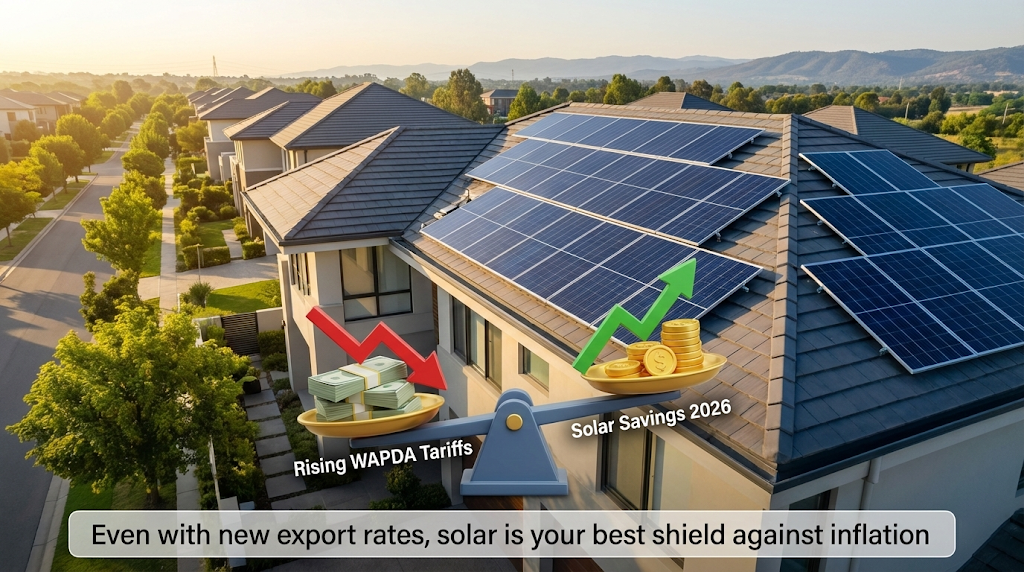
Rooftop solar has become one of the most popular investments in Pakistan, especially with rising electricity prices. But one major factor affecting your solar savings is the buy-back (export) rate, also known as the net-metering export rate.
When this rate changes, many homeowners want to know:
“Will my savings decrease?”
“Should I still install solar?”
“How does it affect my pay-back period?”
This article explains everything Pakistani homeowners need to know in simple, clear language.
What Is the Buy-Back / Export Rate?
When your solar system produces more electricity than your home uses, the extra units are sent to the grid.
For those units, the government pays you a price — this is called the buy-back rate.
A higher rate means more income from extra solar production.
A lower rate means less earning from exported units.
Why Is the Export Rate Changing in Pakistan?
Pakistan regularly updates its net-metering policies based on:
- Rising electricity generation costs
- Grid stability needs
- Seasonal energy demand
- Government energy management strategies
These changes impact how much homeowners with solar can earn from exporting extra units.
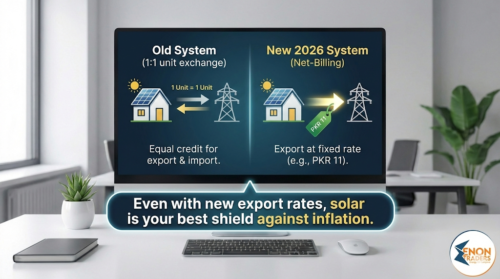
How Changing Buy-Back Rates Affect Homeowners
1. Slower Export Earnings
If the export rate drops, your income from sending units to the grid decreases.
This means you earn less per exported unit compared to previous years.
2. Longer Pay-Back Period
Since earnings are lower, the time it takes for your solar investment to recover its initial cost can increase slightly.
However, most homeowners still achieve a 3–5 year pay-back period due to high electricity tariffs.
(You can read more about calculations in our earlier topic or browse helpful details at our What Can We Do For You page.)
3. Daytime Savings Remain the Same
The most important point:
Your daytime bill savings DO NOT change.
The export rate only affects extra units, not the units your home consumes directly from solar.
This means your major savings stay intact.
4. Larger Systems Are Affected More
A 10 kW system exports more than a 5 kW system.
So when export rates change, larger systems feel the impact more — especially if the system is oversized for your daily usage.
Is Solar Still Worth It in Pakistan?
Yes — solar is still one of the best investments for Pakistani homes.
Here’s why:
✔ Electricity prices are rising
Your biggest savings come from reducing your WAPDA usage, not from exporting.
✔ Free electricity for 20+ years
Once your system pays back its initial cost, you enjoy nearly free power for decades.
✔ Net-metering STILL provides value
Even with a lower export rate, you reduce bills significantly throughout the year.
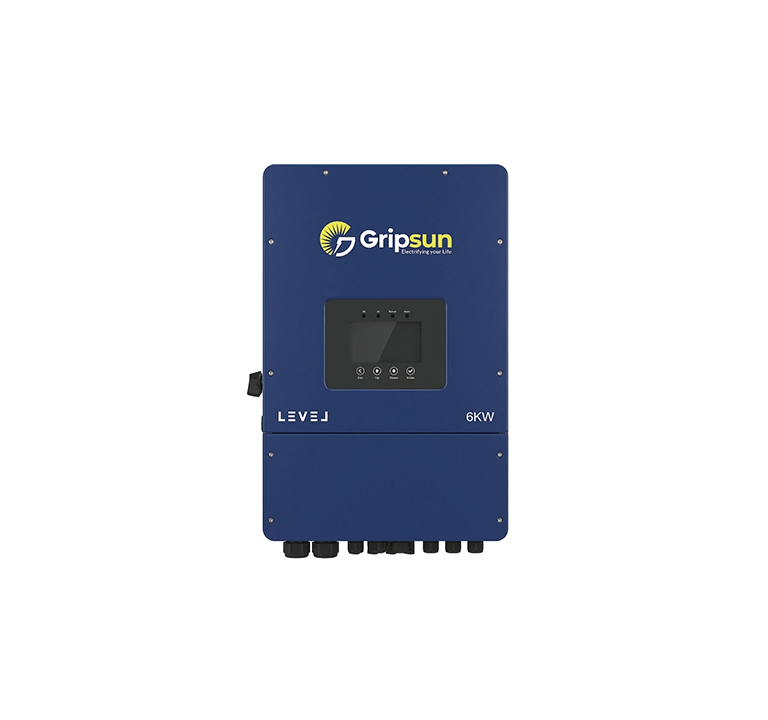
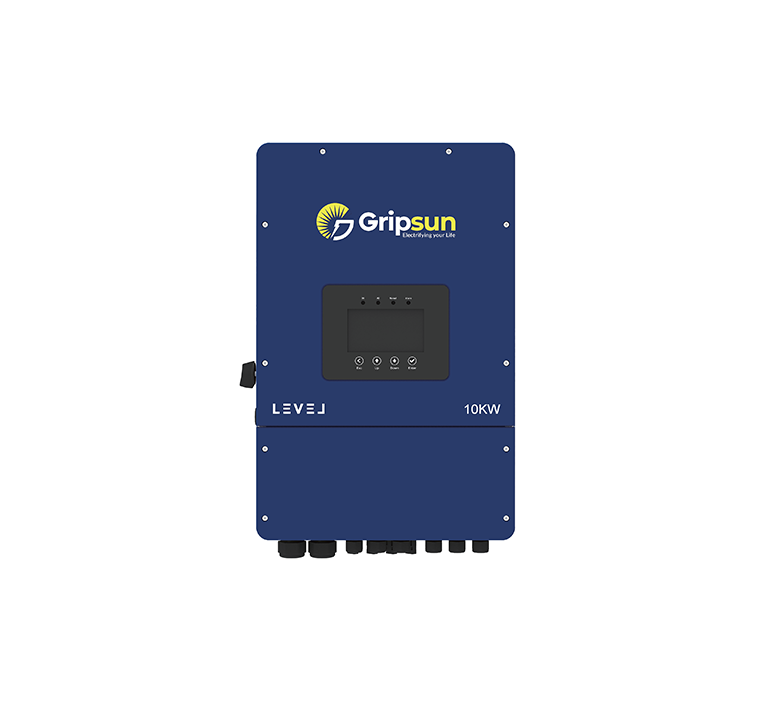
✔ Hybrid inverters offer flexibility
If you want to reduce exports, hybrid inverters allow you to add batteries later.
You can explore premium inverter brands through your Solar Inverters category.
How Homeowners Can Reduce the Impact of Lower Export Rates
1. Size Your Solar System Correctly
Avoid oversized systems.
A well-sized system meets your own consumption rather than exporting too much.
Explore your options through the Solar Panels category.
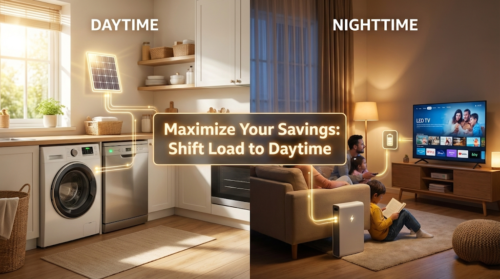
2. Shift Maximum Usage to Daytime
Use appliances like:
- Washing machine
- AC
- Iron
- Water pump
during the day.
This increases your self-consumption, reducing your reliance on export credits.
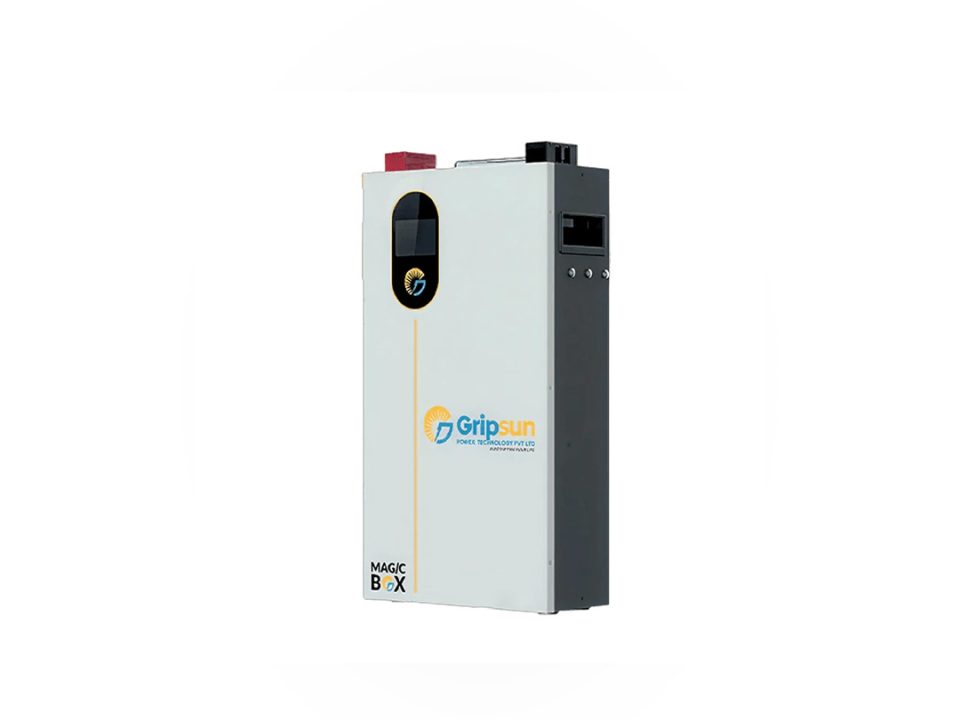
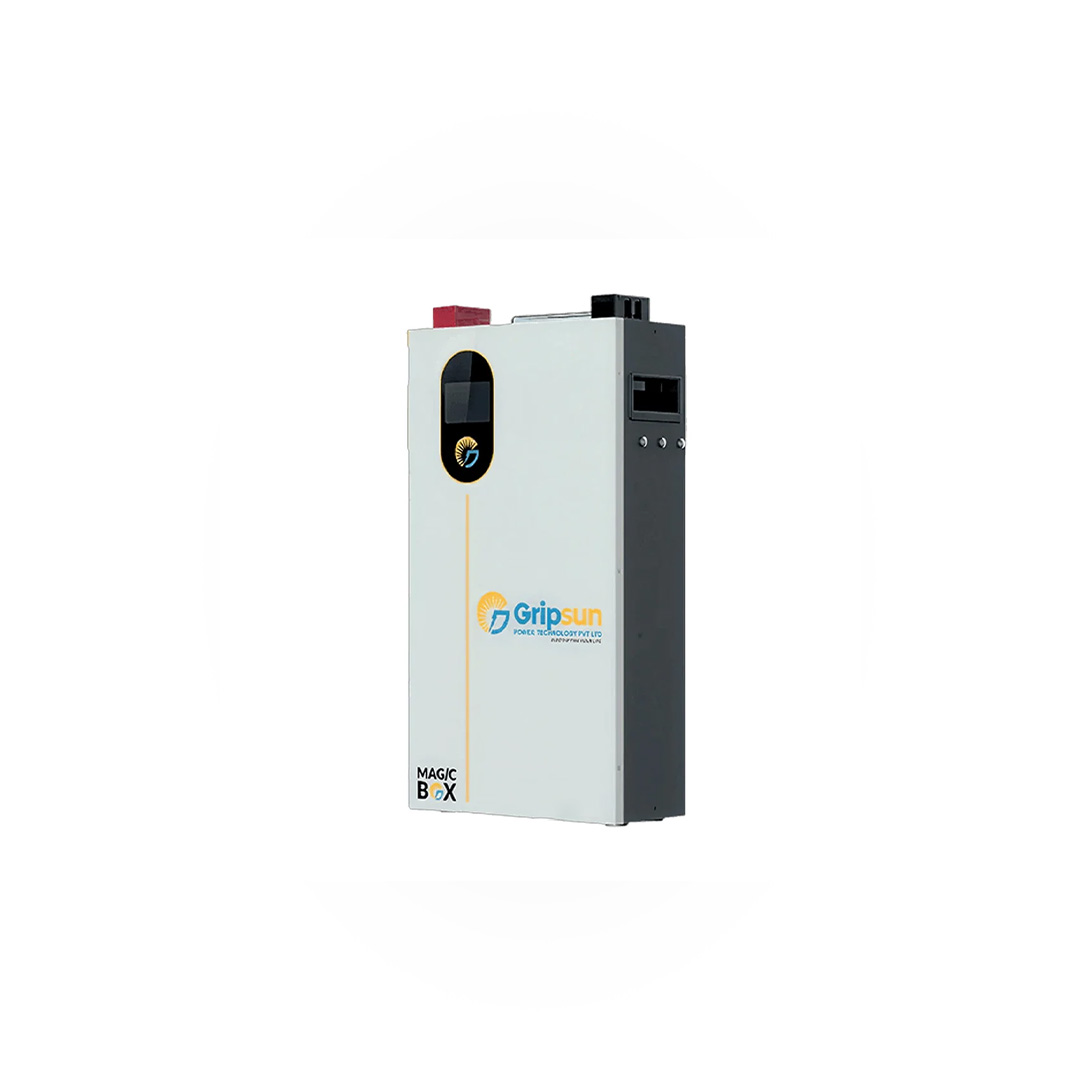
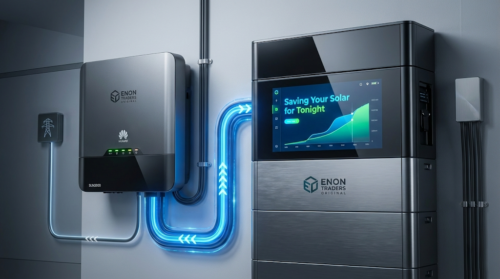
3. Consider Adding a Battery
A battery helps you store extra energy instead of exporting it at a lower rate.
It also provides relief during load-shedding.
Learn more about system enhancements on the What Can We Do For You page.
4. Keep Your Panels Clean
Clean panels produce maximum power.
Dirty panels reduce efficiency and lead to more unit waste.
You can use Enon Traders’ Solar Panel Cleaning Services to maintain high performance.
Why Choosing the Right Solar Partner Matters
With changing policies, you need a trusted company that helps you make informed decisions.
At Enon Traders, we guide homeowners on:
- System sizing
- Expected savings
- Best inverters and panels
- Practical pay-back period
- Net-metering strategies
- Future upgrades like hybrid systems and batteries
Our expertise helps you maximize your investment — regardless of policy changes.
Conclusion
The changing buy-back/export rate in Pakistan does affect how much you earn from extra solar units.
But your core savings from reduced WAPDA usage stay strong.
Solar remains a powerful, long-term solution for cutting electricity costs, improving energy independence, and increasing property value.
With smart planning — the right system size, good equipment, and expert installation — you can continue enjoying excellent savings even with updated net-metering rates.
Ready to Understand Your Solar Savings?
Let Enon Traders help you calculate your savings and choose the perfect solar system based on the latest export rates.