PV Module Specifications in Pakistan Explained
January 15, 2026
Genuine Solar Panel Identification: How to Spot Fake Panels
January 16, 2026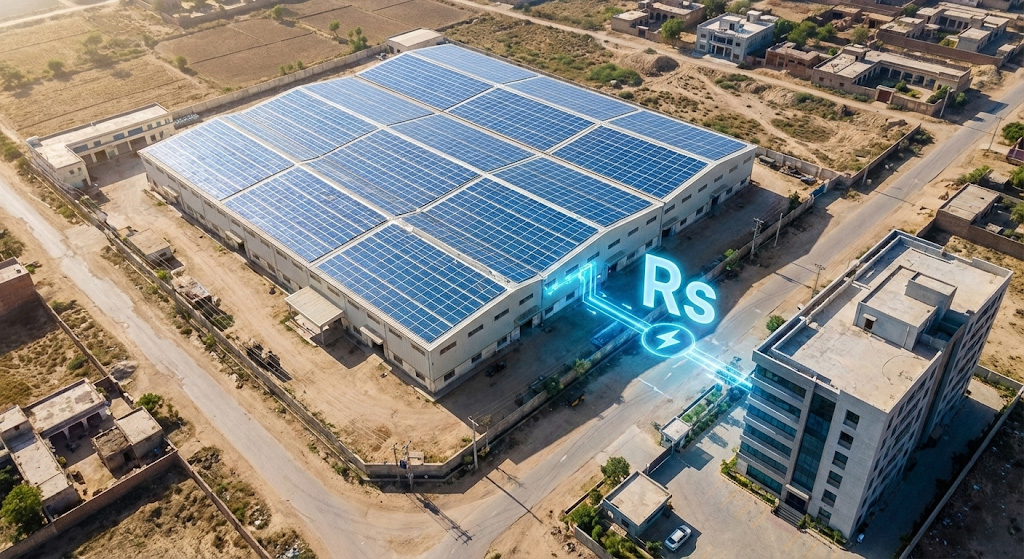
Introduction: Turn Your Factory into a Power Plant
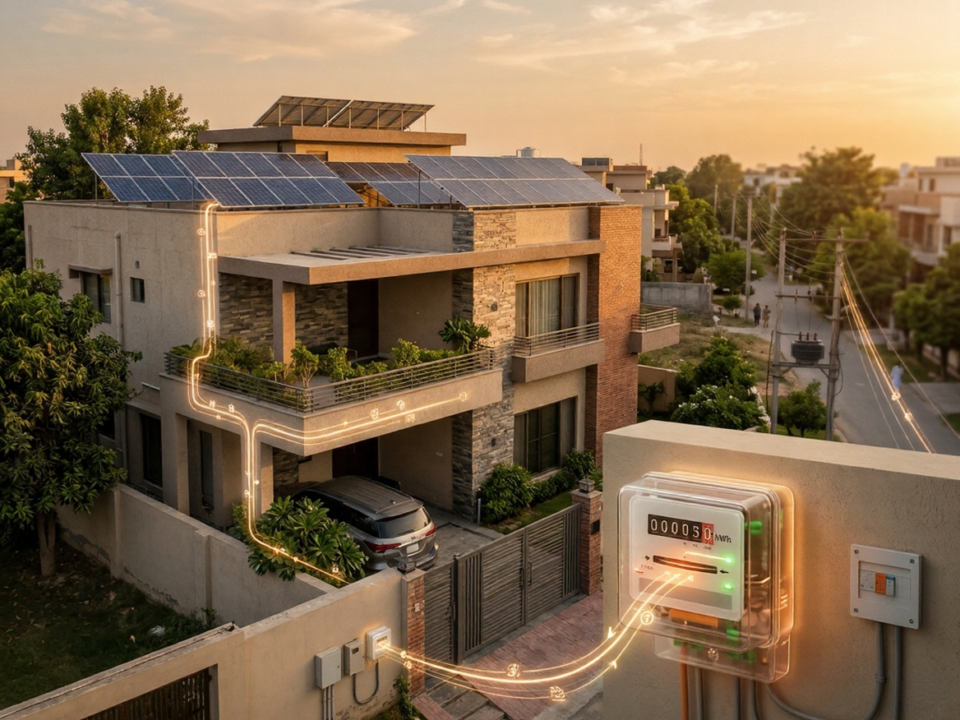
In 2026, the energy regulations in Pakistan changed. You no longer just consume electricity. You can now sell it.
New “Wheeling Guidelines” allow factories with large solar setups to become Independent Power Producers (IPPs). This means you can act like a mini-utility company.
Do you have a large roof? Do you generate more power than you use? This guide explains the business case for selling your extra power to other businesses.
The New Opportunity: “Mini-Utilities”
For years, factories used solar panels only to save on their own bills. Excess power was sent to the government via Net Metering.
But Net Metering has limits. The rates are dropping.
The new model is B2B (Business-to-Business) Sales.
- You become the seller. You sell power directly to a nearby hospital, plaza, or university.
- You set the price. You negotiate a rate that is profitable for you and cheaper for them.
- No limit. Unlike Net Metering, there is no strict cap on how much you can sell, as long as you have a license.
The Checklist: Is Your Factory Ready?
Not every factory can become an IPP. You need to meet specific criteria under the 2026 guidelines.
1. Generation Capacity (1 MW+)
This model works best for large systems. You typically need a solar setup of 1 Megawatt (MW) or more.
- If you have empty roof space or land, you can expand your current system with high-efficiency solar panels.
2. A “Generation License”
You cannot sell power without permission. You must apply for a Generation License from NEPRA. This turns your business into a legal power producer.
3. A Willing Buyer (BPC)
You need a customer. This is called a Bulk Power Consumer (BPC).
- Look for neighbors who pay high commercial tariffs (e.g., shopping malls, cold storages).
- If they are paying Rs 60/unit to the grid, and you sell to them at Rs 45/unit, they will happily buy from you.

The Business Case: Why Do It?
Why go through the trouble of getting a license? Because the profits are higher.
- Better Rates: Net Metering might give you Rs 20–25 credit. Selling to a neighbor can earn you Rs 35–45 per unit.
- Currency Hedge: You can link your electricity price to inflation. This protects your revenue.
- Asset Utilization: Your empty roof becomes a revenue-generating asset, just like a production line.
How to Start: The Technical Setup
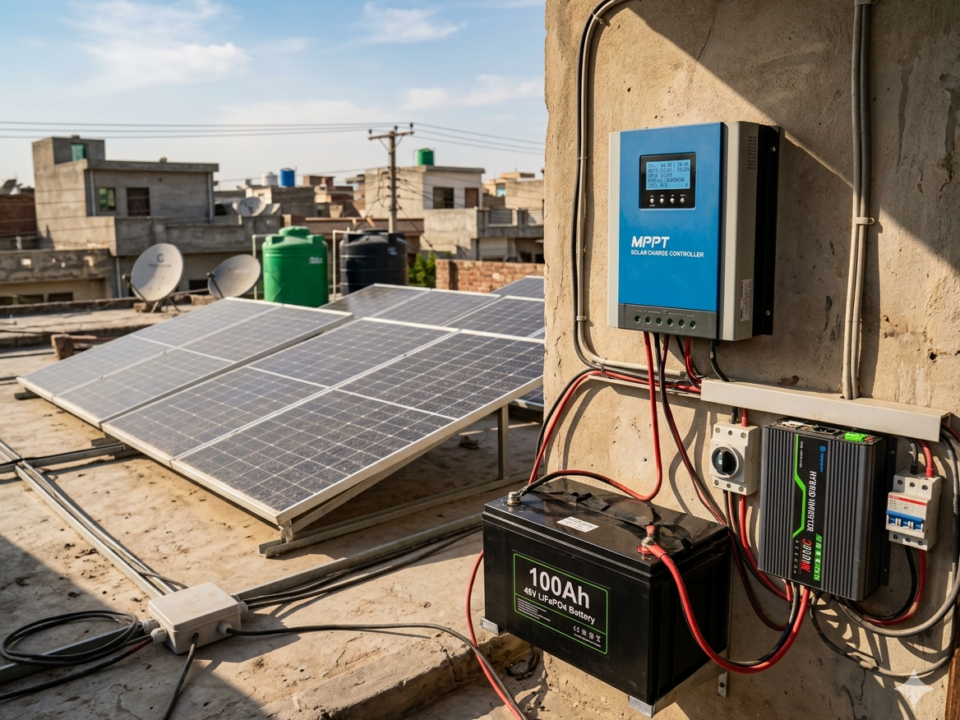
Becoming an IPP requires robust technology. You cannot use cheap equipment.
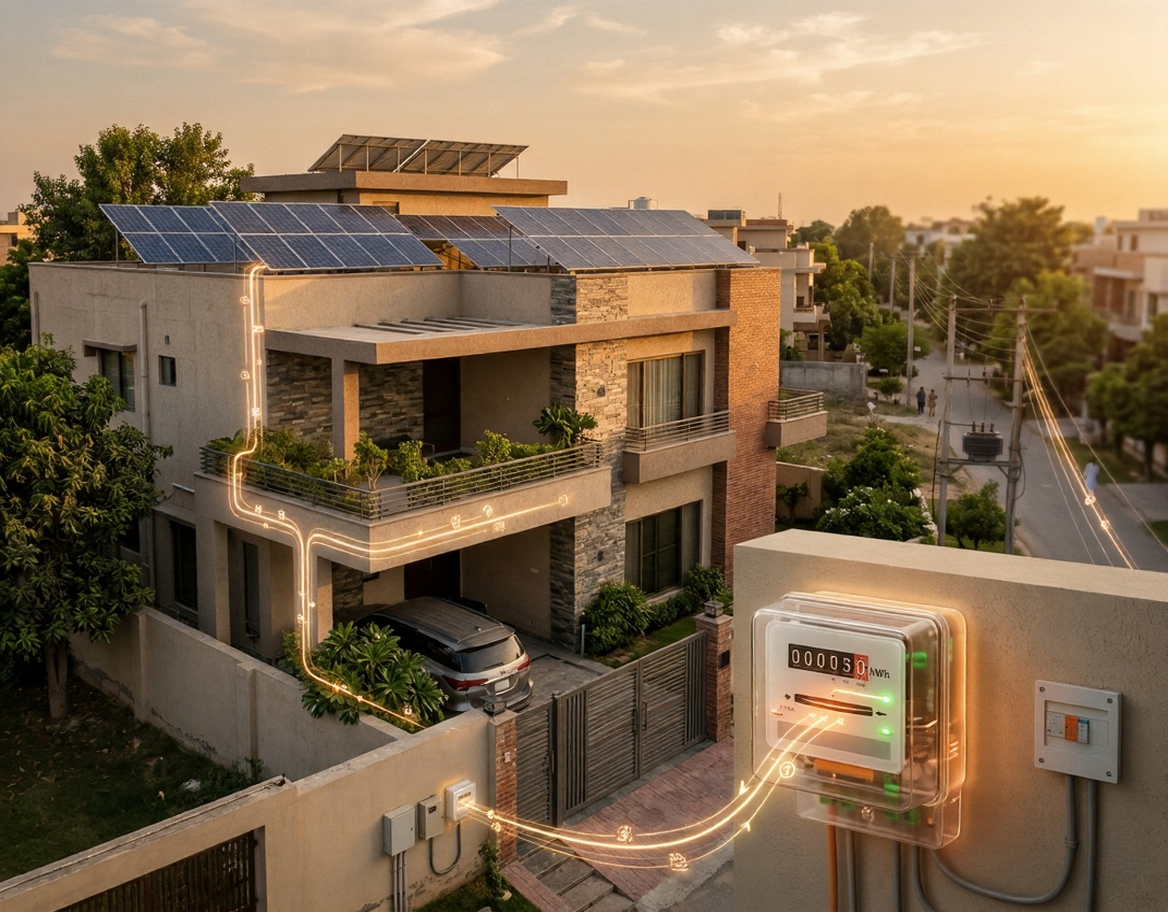
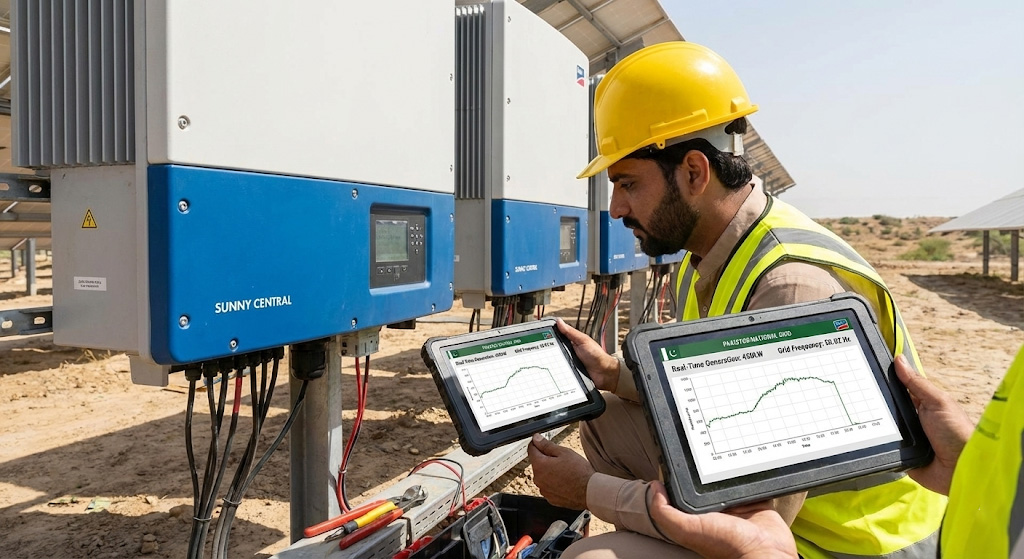
- Smart Metering: You need special meters that track generation in real-time.
- Grid-Interactive Inverters: Your solar inverters must be advanced. They need to stabilize voltage and communicate with the national grid operator (ISMO).
- Reliability: Your buyer expects constant power. You must use Tier-1 equipment.
Enon Traders: Your EPC Partner for IPP Licensing
Becoming a mini-utility is complex. Enon Traders simplifies the transition.
- Feasibility Study: We calculate if your factory is suitable for B2B sales.
- Licensing Support: We assist with the technical documents needed for NEPRA licenses.
- Commercial Installation: We install heavy-duty, industrial-grade solar panels and inverters designed for power trading.
Final Conclusion
The era of just “saving money” with solar is over. 2026 is about “making money.”
If you own a large factory, do not let your roof sit idle. Convert your facility into an IPP and start selling power to the market.
Start Your Power Business: Connect with Enon Traders Today!
Let us help you evaluate your factory for an IPP license.
| Connect With Us | Action Link |
| Chat Instantly on WhatsApp | Discuss Commercial Solar options: Click to Chat Now! |
| Visit Our Website | Explore Industrial Solutions: Official Website |
| Call Our Experts | Book a site survey: Contact Page |