How to Apply for Net-Metering in Pakistan: Process, Eligibility & Tips
December 31, 2025
Tier 1 Solar Panel Brands in Pakistan
January 1, 2026
Pakistan’s solar market has evolved rapidly over the last few years. What started as a cost-saving alternative for a few households has now become a mainstream energy solution for homes, businesses, and industries. As this shift accelerates, the focus is no longer just on installing solar panels; it is on choosing the right technology that can survive Pakistan’s climate and deliver reliable long-term returns.
One technology that is increasingly gaining attention is N-type solar panels. This guide explains N-type solar panels in Pakistan from a practical, on-ground perspective, including how they work, how they compare with P-type panels, how much more they cost, and whether they make sense for Pakistani cities and grid conditions in 2025.
What Are N-Type Solar Panels?
To understand why N-type panels are considered an upgrade, it’s important to start with the basics. The difference between N-type and P-type panels lies in the internal structure of the solar cell, not in the glass, frame, or panel size.
Basic Definition of N-Type Solar Cells
N-type solar cells are made using phosphorus-doped silicon, which introduces excess electrons as charge carriers. Traditional P-type panels use boron-doped silicon, where electricity flows mainly through “holes” instead of electrons.
This distinction matters because boron-based cells are prone to light-induced degradation (LID), a well-documented issue that causes early power loss in many P-type panels. N-type cells largely avoid this problem, resulting in more stable output from the first year onward.
Why This Matters in Real Installations?
In practical terms, this means N-type panels:
- Start producing close to their rated output immediately
- Maintain performance more consistently over time
- Lose less efficiency during extreme heat exposure
These traits are particularly relevant for Pakistan’s climate.
Why N-Type Solar Panel Technology Matters in Pakistan?
Pakistan is not a mild-climate solar market. High ambient temperatures, dusty environments, and long summer seasons place extra stress on photovoltaic systems.
Panels installed on rooftops in Pakistan often operate at cell temperatures far above standard test conditions, which directly reduces output. Technologies that handle heat better deliver noticeably higher annual energy yields.
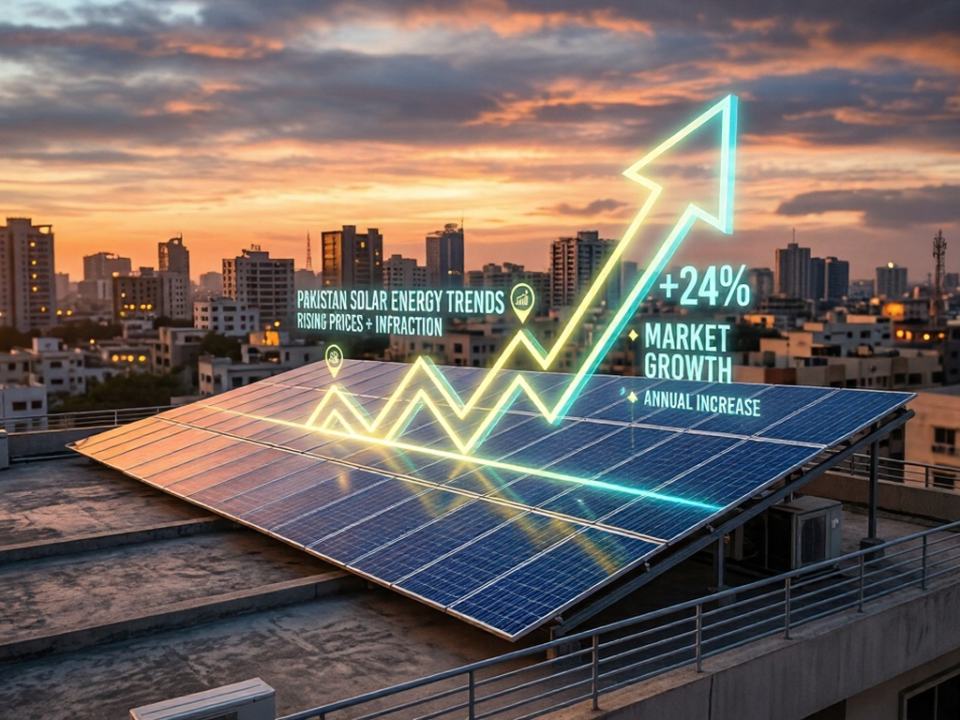
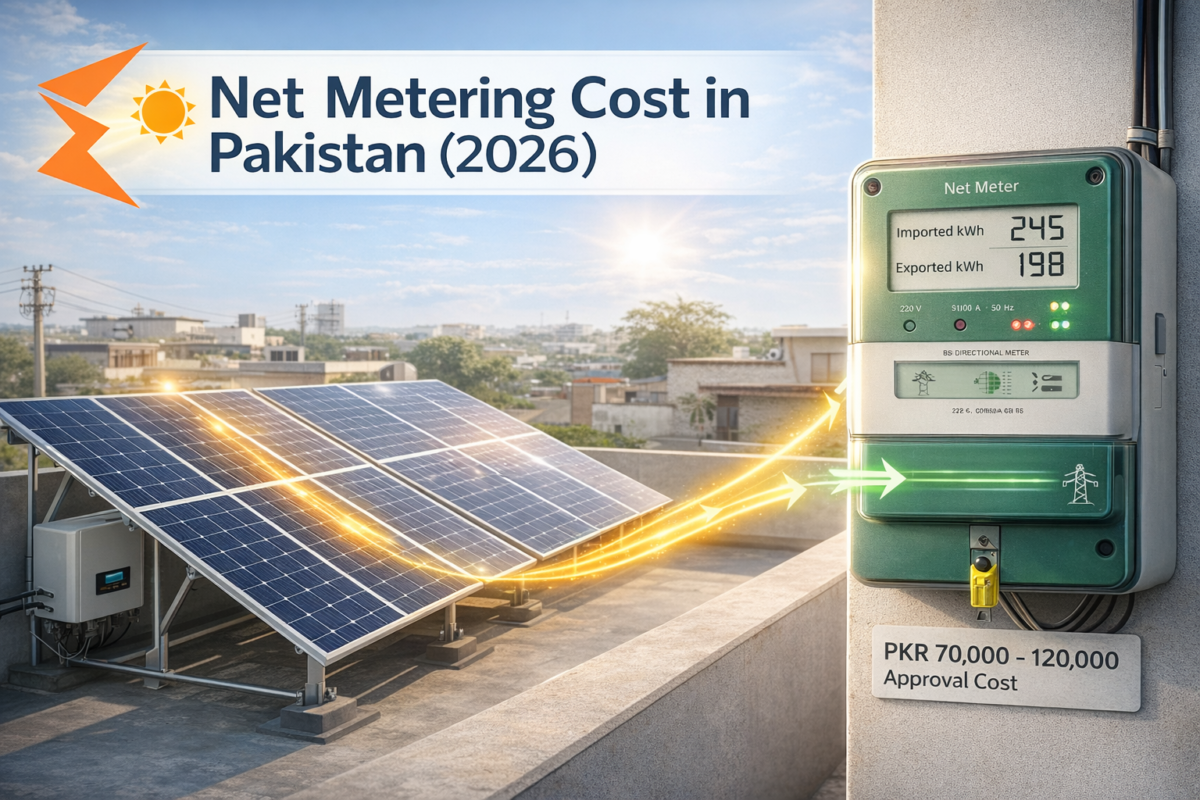
Pakistan’s solar expansion is also driven by policy and grid realities. Net-metering adoption has increased sharply as electricity tariffs rise, making panel efficiency and long-term stability financially important.
N-Type vs P-Type Solar Panels – A Practical Comparison
This comparison focuses on performance factors that actually matter in Pakistani conditions, not just lab specifications.
| Feature | P-Type Solar Panels | N-Type Solar Panels |
| Silicon Base | Boron-doped | Phosphorus-doped |
| Common Technology | PERC | TOPCon, HJT, IBC |
| Typical Efficiency | 18-21% | 21-26% |
| Light-Induced Degradation | Yes | Minimal |
| Heat Performance | Moderate | Strong |
| Annual Degradation | Higher | Lower |
| Expected Lifespan | 25 years | 30+ years |
These differences are backed by manufacturer data and industry analysis published by PV research platforms.
Which Is Better for Pakistan?
In regions where summer rooftop temperatures are extreme, N-type panels consistently show better annual energy output. Over time, this performance gap becomes financially meaningful.
How N-Type Solar Panels Work?
Understanding the working principle helps explain why N-type panels perform better over time.
Reduced Recombination Losses
N-type silicon has fewer defects that cause electrons to recombine before reaching the electrical circuit. This improves conversion efficiency and output stability.
Resistance to Early Power Loss
Because N-type cells do not form boron-oxygen complexes, they avoid the early performance drop commonly seen in P-type panels after initial exposure to sunlight.
Main N-Type Technologies Used Today
Not all N-type panels use the same design. The following architectures dominate global production.
TOPCon (Tunnel Oxide Passivated Contact)
TOPCon is currently the most widely adopted N-type technology because it offers strong efficiency gains without excessive manufacturing cost. Many Tier-1 manufacturers are transitioning new capacity to TOPCon.

HJT (Heterojunction Technology)
HJT panels combine crystalline and amorphous silicon layers, delivering excellent efficiency and temperature performance. They are particularly effective in hot climates but come at a premium.
IBC (Interdigitated Back Contact)
IBC panels place all electrical contacts on the rear of the cell, reducing shading losses. These are typically used in high-end residential and commercial projects.
Technical breakdowns of these technologies are regularly published by PV industry sources.
Local Performance Reality: Pakistani Cities and Grid Conditions
This is where N-type technology becomes especially relevant on the ground.
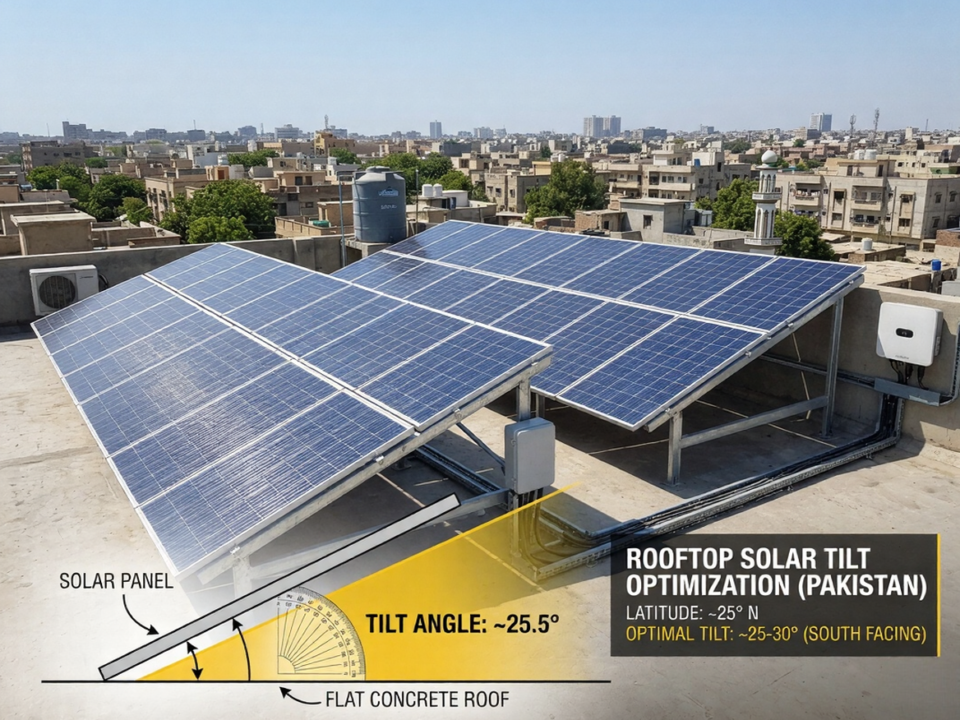
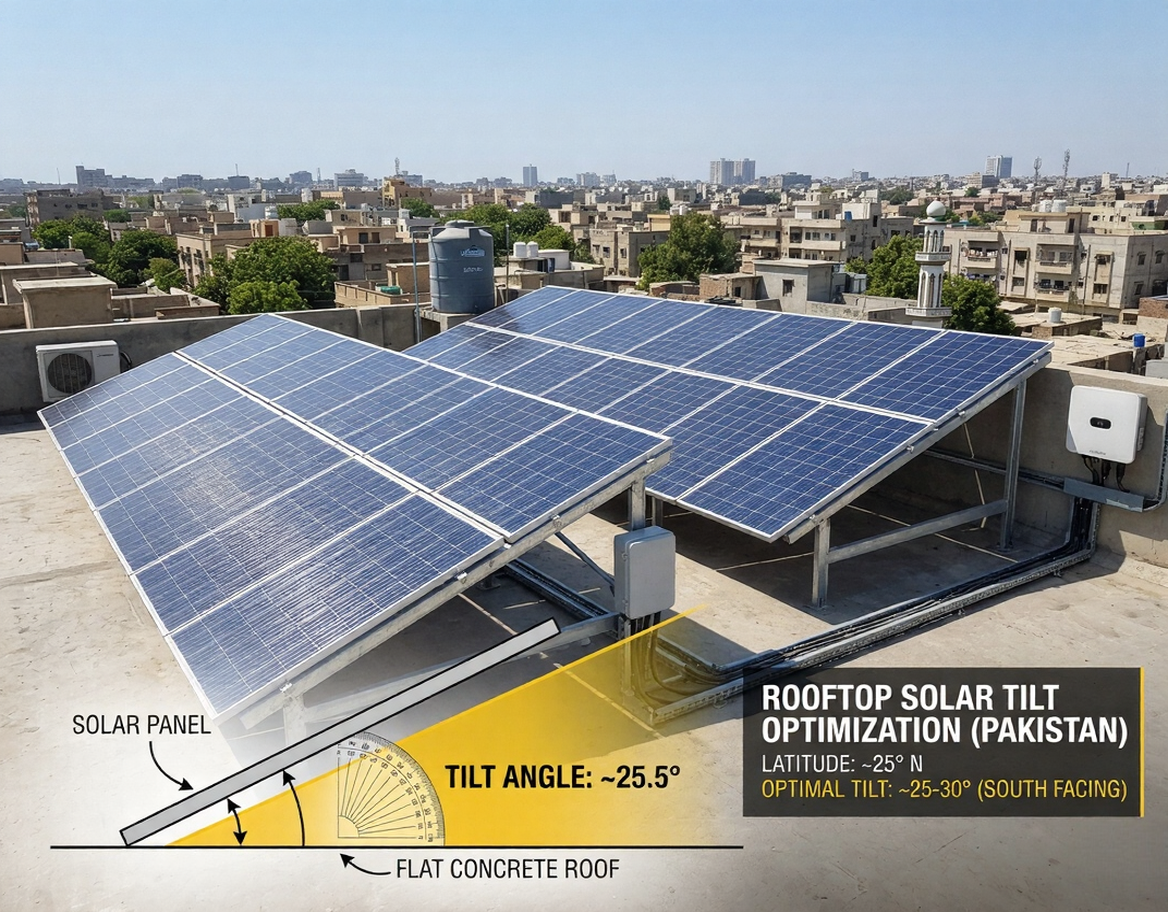
In cities like Lahore, Karachi, Islamabad, Faisalabad, and Multan, rooftop panel temperatures during peak summer can exceed 65°C, particularly on concrete roofs with limited airflow. At these temperatures, conventional P-type panels suffer noticeable output loss.
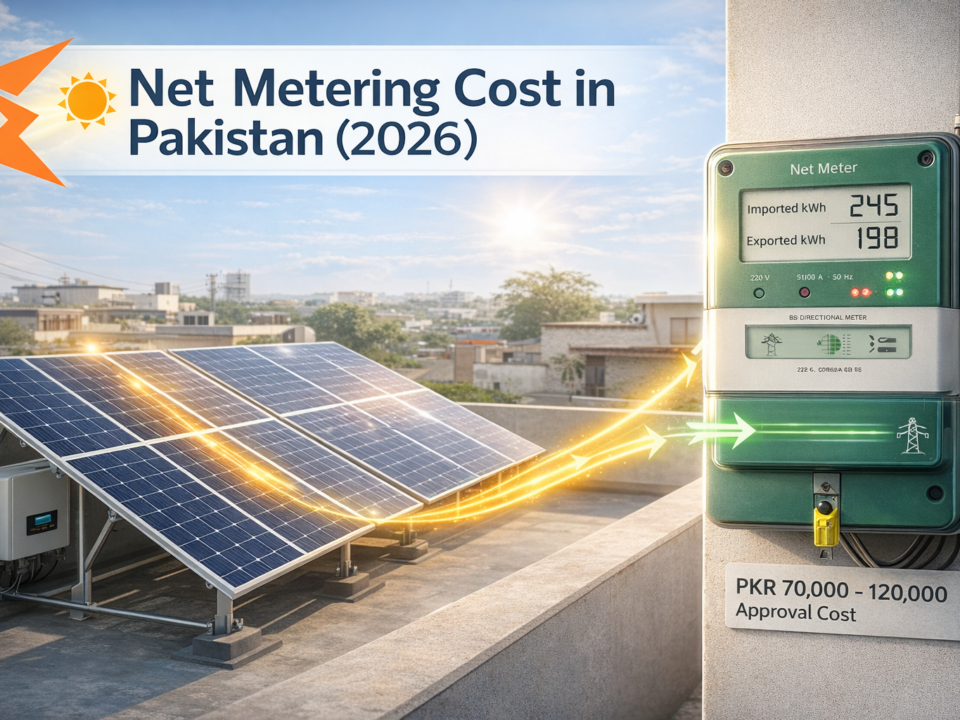
Additionally, Pakistan’s electricity distribution companies (DISCOs) such as LESCO, IESCO, KE, and FESCO operate under net-metering frameworks regulated by NEPRA. In such systems, higher daytime generation directly improves bill offsets and export credits.
Because N-type panels:
- Lose less output in heat
- Maintain performance consistency
- Generate more energy from the same roof area
They align better with urban Pakistani installations where roof space is limited and grid interaction matters.
Advantages of N-Type Solar Panels in Pakistan
Beyond technical efficiency, the advantages translate into practical benefits.
Higher Energy Yield Per Square Meter
For homes in dense cities like Lahore or Karachi, roof space is limited. N-type panels extract more energy from the same area. Choosing the right capacity starts with a proper solar system sizing guide for Pakistan based on your actual electricity usage and load pattern.
Better Heat Tolerance
Lower temperature coefficients mean less power loss during peak summer months.
Longer Operational Life
With slower degradation, N-type panels retain useful output well beyond 25 years, improving lifetime energy production.
Disadvantages and Limitations
A balanced evaluation is important for trust.
Higher Initial Cost
N-type panels are more expensive upfront due to newer manufacturing processes.
Installer Experience Matters
Not all installers fully understand advanced N-type technologies, making installer selection important. A balanced evaluation is important for trust.

Cost of N-Type Solar Panels in Pakistan
Cost transparency is essential for buyer trust and SEO.
Price Difference vs P-Type Panels
Based on 2025 market observations and global pricing trends, N-type solar panels typically cost around 8-15% more than comparable P-type panels. The variation depends on brand, technology (TOPCon vs HJT), and system size.
This estimate aligns with PV industry market analysis.
Cost-Per-Unit Energy Logic
Although the upfront cost is higher, N-type panels often deliver:
- Higher annual output
- Slower degradation
- Better warranty performance
Over 25–30 years, this frequently results in lower cost per kilowatt-hour generated, particularly in net-metered systems governed by NEPRA regulations.
For system-level planning, this connects closely with our solar system cost and ROI analysis for Pakistan.
For detailed pricing and installation options, explore our complete solar solutions guide for Pakistan.
Are N-Type Solar Panels Worth It in Pakistan?
The answer depends on system goals.
Best Fit Scenarios
- Urban homes with limited roof space
- High electricity consumers
- Net-metering users
- Commercial and industrial rooftops
For long-term installations, N-type panels often outperform P-type panels financially, not just technically.
For buyers planning installation, this pairs naturally with our solar panel installation guide for Pakistan.
For detailed pricing and installation options, explore our complete solar solutions guide for Pakistan.
Pakistan’s Solar Market, Policy, and Grid Reality
Pakistan’s solar growth is closely tied to regulatory and economic factors.
NEPRA regulates:
- Net-metering rules
- Export compensation mechanisms
- Grid interconnection standards
As rooftop solar capacity grows, system efficiency and predictability become more important for both consumers and utilities.
International reporting also confirms Pakistan as one of the fastest-growing rooftop solar markets due to tariff pressure and grid reliability challenges. Also, check the Reuters analysis.
Future of N-Type Solar Panels in Pakistan
Globally, N-type technologies are gradually replacing P-type in new manufacturing capacity. As production scales, costs are expected to decline, making N-type panels more accessible in Pakistan over time.
This mirrors earlier transitions seen in the solar industry, where higher-efficiency technologies eventually became standard.
Conclusion
N-type solar panel technology represents a measured, practical upgrade for Pakistan’s solar market. With higher efficiency, lower degradation, better heat tolerance, and longer lifespan, N-type panels are particularly well-suited for Pakistani cities, climate conditions, and net-metering systems.
While the upfront cost is higher, the long-term energy yield and stability often justify the investment for homeowners and businesses planning for the next 25 to 30 years.
Keep Your System at Peak Power: Connect with Enon Traders Today!
Need a professional check-up or a cleaning kit? We are here to help.
| Connect With Us | Action Link |
| Chat Instantly on WhatsApp | Book a maintenance visit now: Click to Chat Now! |
| Visit Our Website | Explore our after-sales services: Official Website |
| Call Our Experts | Get free advice on system care: Contact Page |