Depth of Discharge (DoD) and Battery Life Explained
January 26, 2026
Net Metering Application Process Explained
January 26, 2026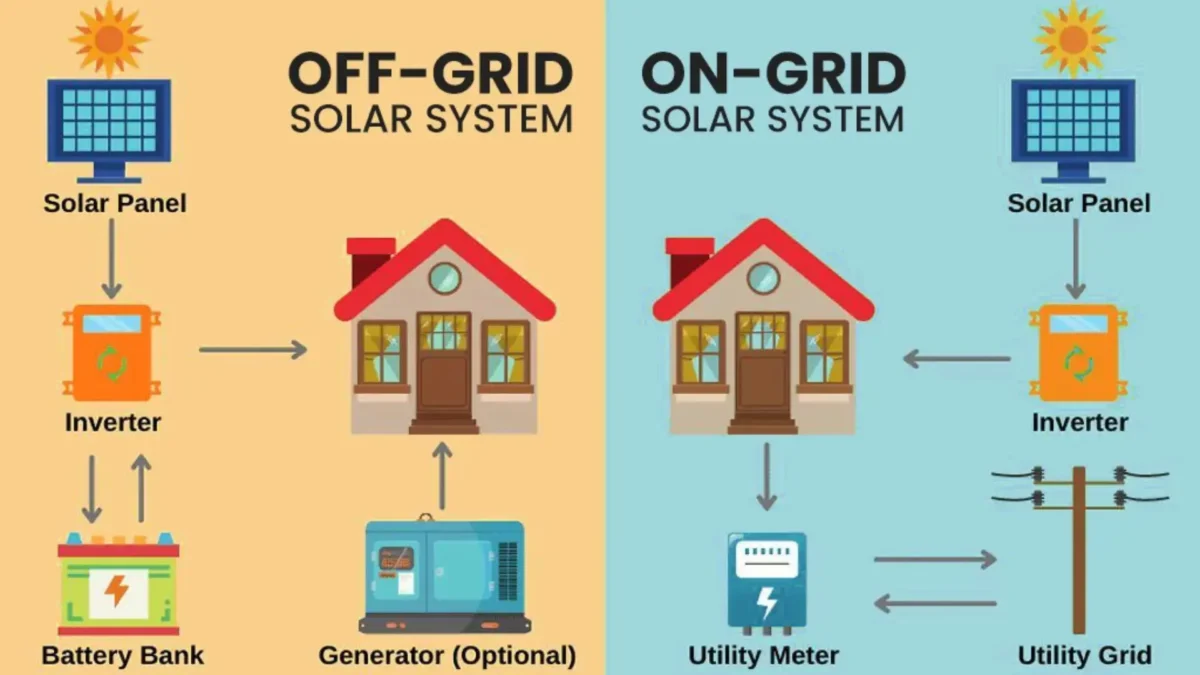
Electricity reliability in Pakistan remains uncertain: in some regions, power outages last several hours a day, while in others, grid electricity does not exist altogether. These realities have pushed households, farms, and businesses toward off-grid solar solutions.
Off-grid solar systems do not fail because solar energy is unreliable. They fail because systems are designed without considering how electricity is actually used in Pakistan. In Pakistan, off-grid solar system design requires a practical approach that focuses on daily behavior rather than ideal laboratory conditions.
This manual describes how off-grid solar systems are designed for the real Pakistani environment, including very remote areas. It deconstructs how sizing, storage, and system behavior interact with each other to help you understand what makes for stable power and what causes failure.
Why Off-Grid Solar Systems Are Widely Used in Pakistan
Off-grid systems are common in rural villages, agricultural land, construction sites, and farmhouses. They are also used in urban areas where voltage instability and extended load shedding make grid electricity unreliable, including agricultural applications like solar-powered tube wells.
Many people expect off-grid solar to provide unlimited freedom. In reality, it requires careful planning, discipline, and realistic expectations.
How Does Off-Grid Solar System Design in Pakistan Differ From Other Regions?
High ambient temperatures affect the efficiency of the batteries. A decrease in sunlight during winter contributes to reduced production, while the working conditions of the inverters and batteries are further exacerbated due to high temperatures in summer.
Copied designs from foreign calculators usually disregard these points. Consequently, a large percentage of systems, designed as balanced on paper, fail when implemented at home.
Why do generic solar designs fail locally?
Systems designed for mild climates struggle under Pakistani conditions. Panels produce less than expected, batteries age faster, and inverters shut down under surge loads. Strong designs assume losses from the start instead of relying on ideal assumptions.
The role of human usage patterns
Electricity use in Pakistan is rarely smooth. Consumption spikes during evenings, prayer times, and extreme weather. A system that appears stable in calculations can collapse when real usage patterns emerge due to common rooftop solar installation mistakes.
Core Principles of Reliable Off-Grid Solar Design
Prioritising reliability over peak output
Successful off-grid systems focus on consistency. They avoid running components at their maximum limits and include safety margins for unexpected demand.
Why does battery storage determine success?
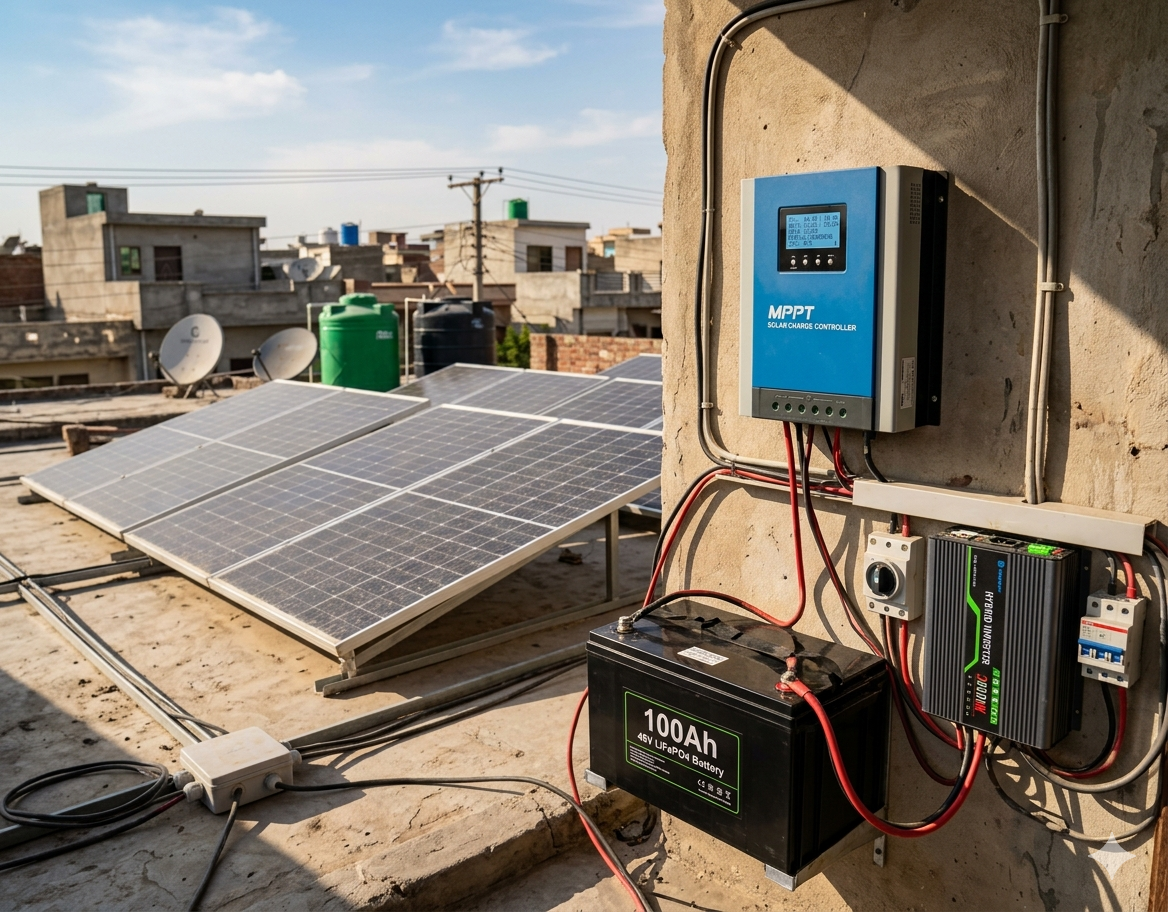
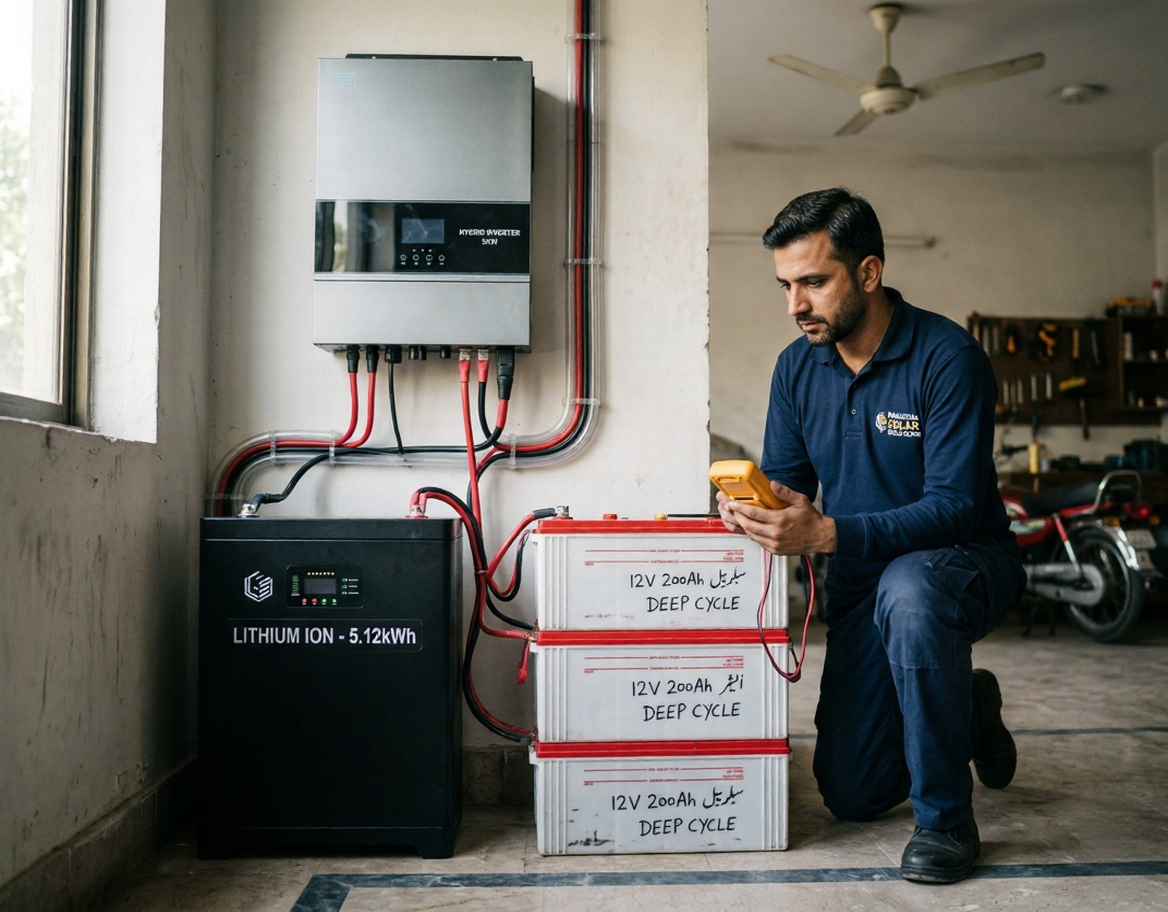
Panels generate energy, but batteries decide when power is available. In off-grid systems, batteries are the controlling element of stability. A common mistake involves installing large panel arrays with insufficient storage, even when using Inverex solar energy systems in Pakistan. This imbalance leads to frequent shutdowns and early battery degradation, a problem commonly seen in poorly sized off-grid solar setups and misunderstood battery storage for home solar in Pakistan.
Balancing generation, storage, and consumption
A stable system balances how much energy is produced, how much is stored, and how it is consumed. Ignoring any one of these elements destabilises the entire setup.
Step One: Assessing Real Power Needs Before Design
Every off-grid design starts with honest load prioritisation and proper load calculation for solar systems. Essential loads usually include lighting, fans, refrigeration, communication devices, and basic electronics. Heavy appliances require careful consideration when deciding how to size your home solar system in Pakistan.
Many system failures occur because designers attempt to power everything without compromise.
Understanding daytime and nighttime usage
Daytime loads can operate directly from solar production. Nighttime loads rely entirely on battery backup. Misjudging this balance leads to shortages and battery stress.
Why does incorrect load estimation cause long-term issues?
Overestimating loads inflates cost. Underestimating loads creates frustration and outages. Accurate planning here matters more than brand selection and connects closely to proper load calculation for solar systems.
Step Two: Planning Battery Capacity for Pakistani Conditions
Battery autonomy defines how long the system can operate without sunlight. In Pakistan, aiming for excessive backup days increases cost and accelerates battery wear.
Realistic backup expectations
Most reliable systems aim for one full night of dependable backup. Attempting extended autonomy often weakens system resilience.
Accounting for seasonal consumption changes
Cooling loads rise sharply in summer, while winter brings different usage patterns. Ignoring seasonal variation leads to unexpected strain. Understanding solar battery lifespan in Pakistan helps align expectations with reality.
Step Three: Designing the Solar Panel Array
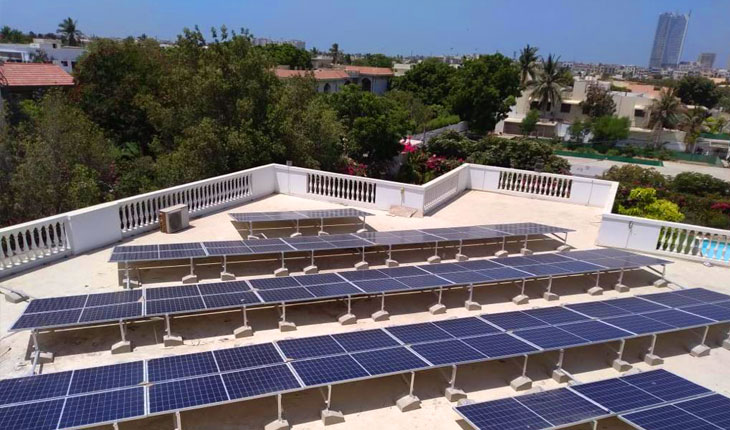
Panels should be positioned to perform well during the winter months, not just during the peak summer. Designs focused only on summer output struggle later in the year.
Intentional panel oversizing
Off-grid systems often oversize panels deliberately to compensate for dust, heat losses, and cloudy days.
Extra margins for remote installations
Remote locations face delayed repairs and harsh environments. Designs must reflect this reality. This approach defines effective solar system design.
Step Four: Inverter Selection and System Architecture
Off-grid inverters must handle frequent surges, motor starts, and uneven loads. Continuous ratings matter far more than peak marketing figures.
Managing pumps, motors, and air conditioners
Motor-driven appliances draw high startup current. If the inverter or battery cannot supply this surge, the system shuts down. Many failures originate here.
Designing for stability
Reliable systems operate comfortably below maximum ratings. This principle underlies many off-grid inverter selection mistakes seen in local installations, even when using Gripsun solar inverters in Pakistan.
Off-Grid vs Hybrid vs Grid-Tied Systems in Pakistan
Choosing the wrong system type is one of the most expensive solar mistakes in Pakistan. The comparison below highlights how off-grid, hybrid, and grid-tied systems differ in real-world use.
| Feature | Off-Grid System | Hybrid System | Grid-Tied System |
| Grid dependency | None | Partial | Full |
| Battery reliance | High | Moderate | None |
| Best for remote areas | Yes | No | No |
| Handles long outages | Yes | Limited | No |
| System complexity | Moderate | High | Low |
| Design tolerance needed | Very high | Medium | Low |
Understanding hybrid vs off-grid solar differences helps prevent costly planning errors when evaluating off-grid and micro-grid solar solutions for different usage scenarios.
Common Off-Grid Solar Design Mistakes in Pakistan
- Applying hybrid logic to off-grid systems
- Ignoring heat-related battery degradation
- Designing for ideal conditions instead of daily reality
These errors frequently overlap with solar system maintenance in Pakistan’s climate and cause early system failure.
How to Decide If an Off-Grid System Is Right for You?
Off-grid solar makes sense for remote locations, unstable grids, and essential power needs. It is not ideal for properties with heavy continuous loads, extensive air conditioning, or limited budgets.
Recognising limitations early prevents disappointment and wasted investment.
Long-Term Performance and Reliability Expectations
A well-designed system delivers stable power for essential needs, not unlimited electricity. Batteries gradually lose capacity, panels degrade slowly, and usage patterns change.
Planning for these realities matters more than choosing premium brands.
Final Thoughts: Designing Off-Grid Solar Systems for Real Life in Pakistan
Successful off-grid solar system design in Pakistan needs consideration of local conditions, actual use behavior, and limitations. A strong system never needs a brochure or a calculator. In Pakistan, off-grid solar succeeds not through perfect calculations, but through honest design that respects heat, dust, peak loads, and human behavior.
Off-grid solar is not a lifestyle upgrade. It is an engineering compromise designed for reliability.
Independent Power: Connect with Enon Traders Today!
Start your off-grid journey with Pakistan’s most reliable solar partner.
| Connect With Us | Action Link |
| Chat Instantly on WhatsApp | Get an off-grid system quote: Click to Chat Now! |
| Visit Our Website | View our off-grid inverters: Official Website |
| Call Our Experts | Design your custom micro-grid: Contact Page |