Ground-Mounted Solar Panels in Pakistan: A Practical Decision Guide
January 9, 2026
Beyond Net Metering: The “CTBCM” Pilot & Selling Solar to Your Neighbor
January 12, 2026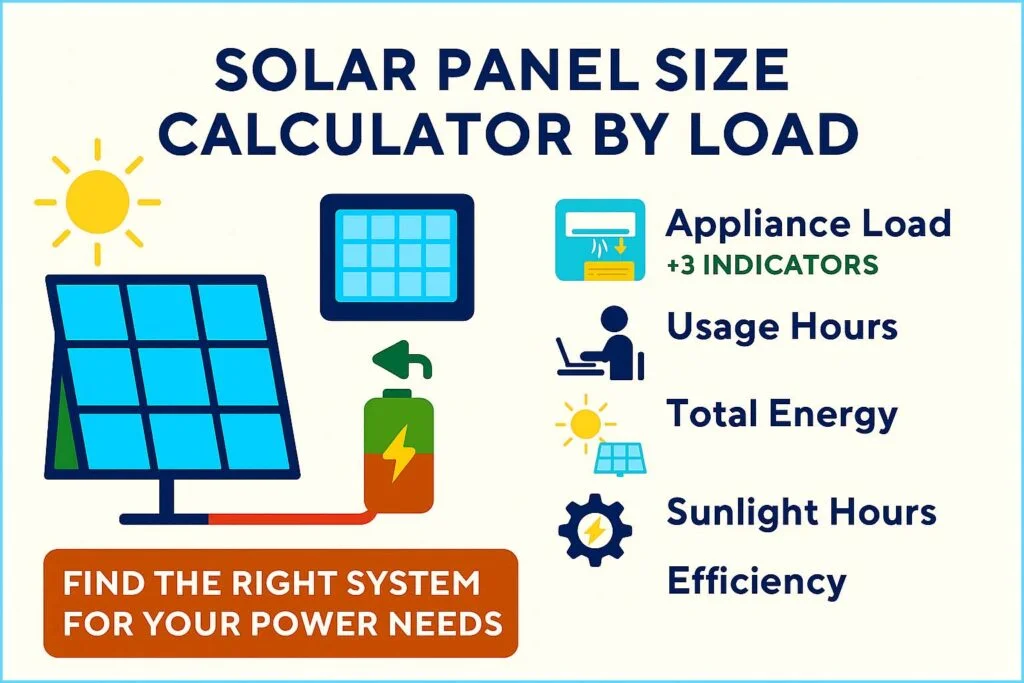
Choosing the right solar system is not about installing the biggest panels or trusting random online estimates. It is about matching system size with actual electricity usage patterns. In Pakistan, many homeowners end up with solar systems that are either too small to deliver meaningful savings or unnecessarily large, increasing costs without proportional benefit.
A solar panel size calculator in Pakistan helps bridge this gap, but only when it is used correctly. Most calculators provide numbers, not understanding. This guide explains how solar sizing actually works, how load calculation fits into the process, and how to interpret calculator results realistically under Pakistani conditions. By the end, you will understand not just what system size you need, but why.
Why Solar Panel Size Calculation Matters in Pakistan?
Solar sizing mistakes are common because electricity usage in Pakistan follows unique patterns. Long summers, heavy air-conditioner use, high dust levels, extreme heat, and grid instability all influence real solar performance.
Incorrect sizing usually leads to one of two outcomes:
- Under-sized systems that struggle to run ACs or deliver noticeable bill reduction
- Over-sized systems that increase upfront cost and extend payback time unnecessarily
A proper solar panel size calculation ensures your system aligns with how electricity is actually used, not just what appears on a monthly bill. This becomes especially important when planning for long-term reliability and return on investment.
What Does a Solar Panel Size Calculator Actually Do?
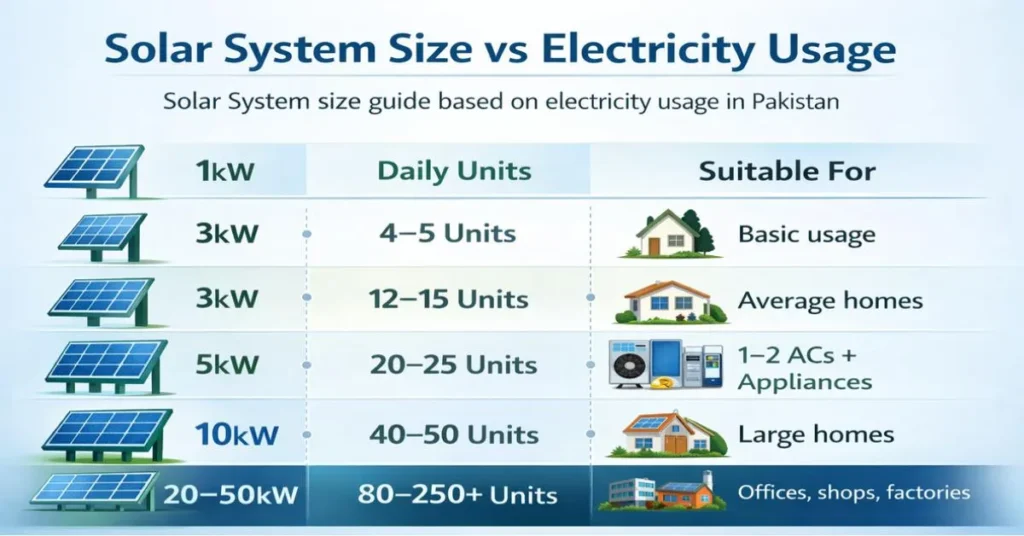
System Size (kW) vs Electricity Units (kWh)
This is the most misunderstood part of solar planning.
- kW (kilowatt) represents the installed capacity of your solar system
- kWh (units) represent electricity consumed or produced over time
Your electricity bill shows units, not system size. A solar panel size calculator converts electricity consumption and connected load into a system size that can realistically generate that energy under local sunlight conditions.
Many homeowners assume higher units automatically mean a larger system. In reality, usage timing and load concentration matter just as much as total units.
Inputs Used by Most Solar Size Calculators
Most online calculators rely on:
- Monthly electricity consumption
- Estimated sunlight hours
- Basic system loss assumptions
More accurate calculators also consider:
- Appliance-level load
- System type (grid-tied or hybrid)
- Day vs night usage
When load is ignored, calculator results often look correct on paper but fail to perform as expected in real-world conditions. This is why understanding solar system efficiency is essential when interpreting calculator outputs.
Load Calculation Explained in Simple Terms
What does Load Calculation mean for a Solar System?
Load calculation identifies how much power your appliances demand at the same time, especially during peak usage hours. It answers a crucial question:
How much electricity can your home demand at one moment?
Two homes with the same monthly units may require very different system sizes. A home running multiple air conditioners simultaneously will need a larger system than one with more spread usage throughout the day. This is why load calculation is the foundation of accurate solar sizing.
Estimating Household Load Realistically
Start by listing major appliances:
- Air conditioners
- Refrigerators
- Water pumps
- Washing machines
- Fans and lighting
In Pakistan, air conditioners dominate solar sizing. A house operating two 1.5-ton ACs will require a significantly larger system than a non-AC home, even if monthly units appear similar. This is where understanding grid-tied vs hybrid solar systems becomes important, especially for homes expecting backup support.
How Solar Panel Size Is Calculated for Pakistani Conditions?
Why Sunlight Hours Matter in Pakistan?
Pakistan receives strong solar irradiance, averaging 5 to 5.5 peak sun hours per day in most regions. While this is favorable, real-world losses still exist due to:
- Dust accumulation
- High operating temperatures
- Inverter and wiring losses
Most calculators assume near-ideal conditions. Understanding these limitations helps avoid unrealistic expectations. Performance losses over time are also influenced by solar panel degradation rate, which should be factored into long-term planning.
Rule-of-Thumb vs Calculator-Based Sizing
A common estimate is:
“1 kW solar produces around 120-140 units per month.”
This guideline is useful only for rough estimation. It becomes unreliable when:
- AC usage is high
- Electricity is consumed mostly at night
- Roof orientation or shading is poor
Calculators improve accuracy but only when their assumptions are clearly understood and adjusted for real usage patterns.
Step-by-Step: Using a Solar Panel Size Calculator Correctly
Step 1 – Use Accurate Electricity Bills
Collect at least 3 to 6 months of electricity bills. Avoid sizing based on a single month. In Pakistan, summer usage usually determines system size, not annual averages.
Step 2 – Factor in Load and Usage Timing
Ask yourself:
- Are ACs used mostly during the day or night?
- Will solar directly power appliances or export energy?
- Will your load increase in the future?
Homes with higher daytime usage benefit more from net-metered grid-tied systems. Understanding net metering in Pakistan helps determine whether exporting surplus energy is financially sensible.
Step 3 – Interpret Calculator Results as a Range
If a calculator recommends a 6-7 kW system, this reflects uncertainty, not error. The range accounts for:
- Usage behavior
- System losses
- Seasonal variation
Treat calculator results as planning guidance, not fixed promises.
How Many Solar Panels Will You Need?
Panel Wattage and Panel Count
Panel count depends on wattage, not system size alone:
- 6 kW using 550W panels ≈ , 11 panels
- 6 kW using 585W panels ≈ , 10 panels
Understanding solar panel wattage helps you plan roof space, wiring layout, and system balance more realistically.
Roof Space Requirements
As a general guideline:
- 1 kW requires around 80-100 sq ft of shade-free roof area
- Partial shading can reduce output more severely than limited space
Orientation and shading often matter more than total roof size.
Common Mistakes When Using Solar Size Calculators
- Relying only on monthly units
- Ignoring future appliance additions
- Expecting full nighttime operation without batteries
- Assuming all systems perform identically
These misunderstandings often lead to dissatisfaction. A basic understanding of performance limitations helps align expectations with real-world output.
Can a Solar Panel Size Calculator Replace a Site Assessment?
What Calculators Do Well?
- Early feasibility checks
- Rough system sizing
- Budget planning
They are excellent starting tools.
Where Calculators Fall Short?
- Roof shading analysis
- Electrical wiring constraints
- Local grid and transformer limitations
A calculator simplifies reality. That simplification is acceptable as long as its limits are understood.
Choosing the Right Solar System Size for Long-Term Performance
A well-sized system balances:
- Current electricity usage
- Future load growth
- Gradual panel performance decline
Oversizing increases cost without proportional benefit. Undersizing limits savings. The goal is consistent, reliable performance, not chasing perfect numbers.
Conclusion: Using a Solar Panel Size Calculator the Right Way
A solar panel size calculator in Pakistan is not a shortcut; it is a planning tool. When combined with proper load calculation, realistic assumptions, and local conditions, it becomes extremely valuable.
Do not chase exact figures. Focus on understanding why a system size is recommended. That understanding leads to better decisions, fewer regrets, and dependable solar performance over time.
If you can explain your calculator result in simple terms, you are already ahead of most solar buyers in Pakistan.
Independent Power: Connect with Enon Traders Today!
Start your off-grid journey with Pakistan’s most reliable solar partner.
| Connect With Us | Action Link |
| Chat Instantly on WhatsApp | Get an off-grid system quote: Click to Chat Now! |
| Visit Our Website | View our off-grid inverters: Official Website |
| Call Our Experts | Design your custom micro-grid: Contact Page |