The Rise of “Solar Aggregators”: The New Middlemen in Pakistan’s Energy Market
February 4, 2026
Solar Price Trend in Pakistan: Understand Market Fluctuation
February 9, 2026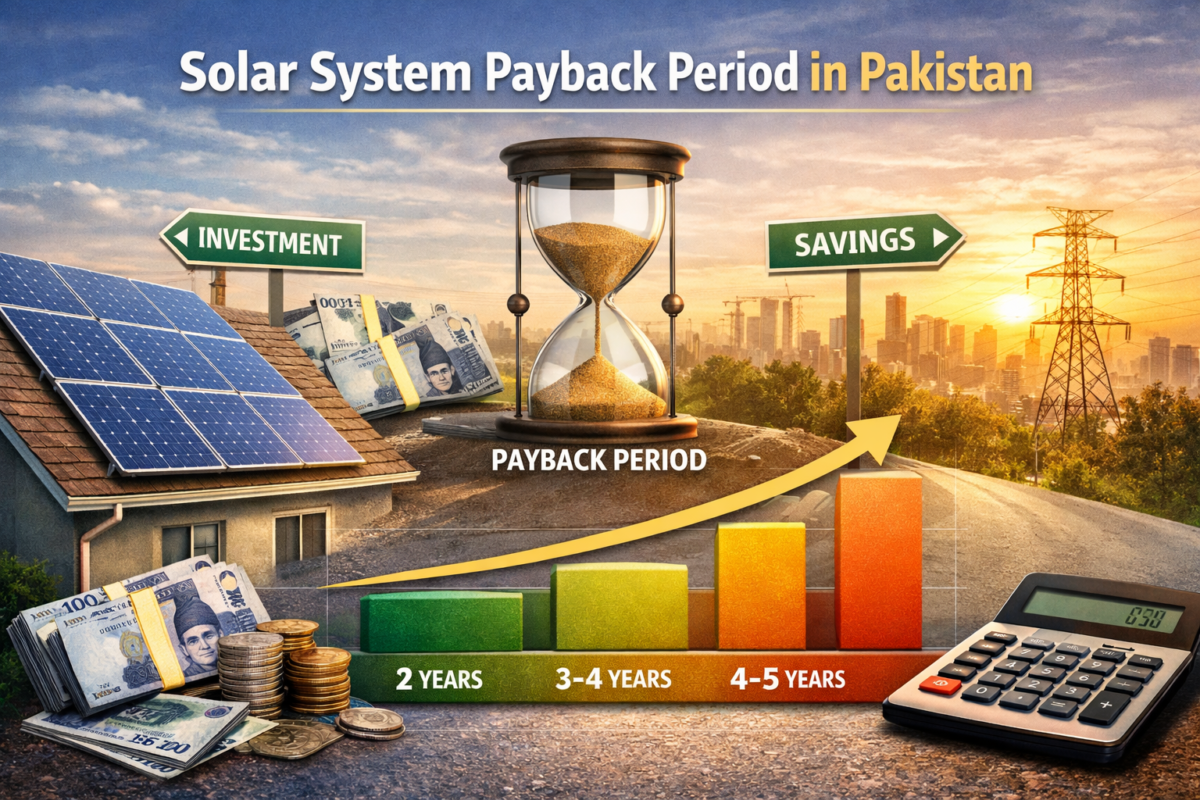
For most families and companies in Pakistan, solar power is no longer an alternative source of energy. It has become a financial choice. Before setting up a solar panel system, most people ask only one question: How long will it take to get back the money invested in a solar power system?
Many homeowners also use a solar ROI calculator in Pakistan to estimate recovery time more accurately before installation. In Pakistan, the answer to this question is dependent on a number of factors.
Understanding the Solar System Payback Period
The payback period is the time your solar system takes to recover its initial cost through electricity bill savings. Once this period ends, the system continues to generate savings for many years.
People often confuse payback period with profit. The payback period only tells you when your investment breaks even. Profit comes later. In Pakistan, most users care about payback first because electricity bills are high and unpredictable, which is why many homeowners use a solar ROI calculator in Pakistan to estimate recovery time before installing a system. In Pakistan, most residential solar systems recover their cost in 2–5 years, depending on daytime usage, system sizing, and tariff slabs. Homes with higher self-consumption recover faster than export-heavy systems.
Payback period is also different from ROI. ROI looks at percentage returns. Payback focuses on time. For households, time matters more than percentages.
Why Payback Period Matters in Pakistan
Electricity tariffs in Pakistan increase frequently. Every unit you save today becomes more valuable next year. This reality shortens the payback period for many users.
Load shedding also plays a role. When power cuts happen during the day, grid electricity disappears, but solar continues to produce. This increases self-consumption, which improves recovery time.
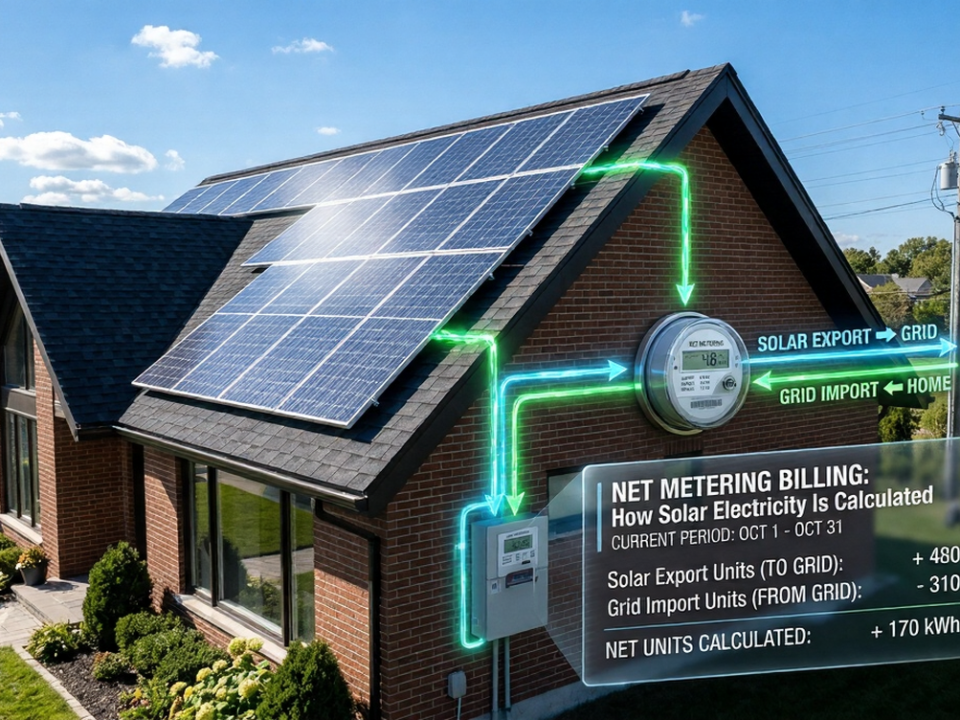
Net metering adds another layer. Exporting extra units to the grid helps, but payback does not depend on export alone. Systems that rely heavily on exports face more uncertainty.
For a deeper look at calculation logic, many readers explore the solar payback period in Pakistan.
Typical Solar System Payback Period in Pakistan
For example, a household spending PKR 45,000 per month that offsets around PKR 30,000 through solar savings can recover a PKR 1.8 million system in approximately four to five years, depending on tariff increases and usage patterns.
This range appears often because conditions vary widely.
Typical Payback Ranges Based on Usage Patterns
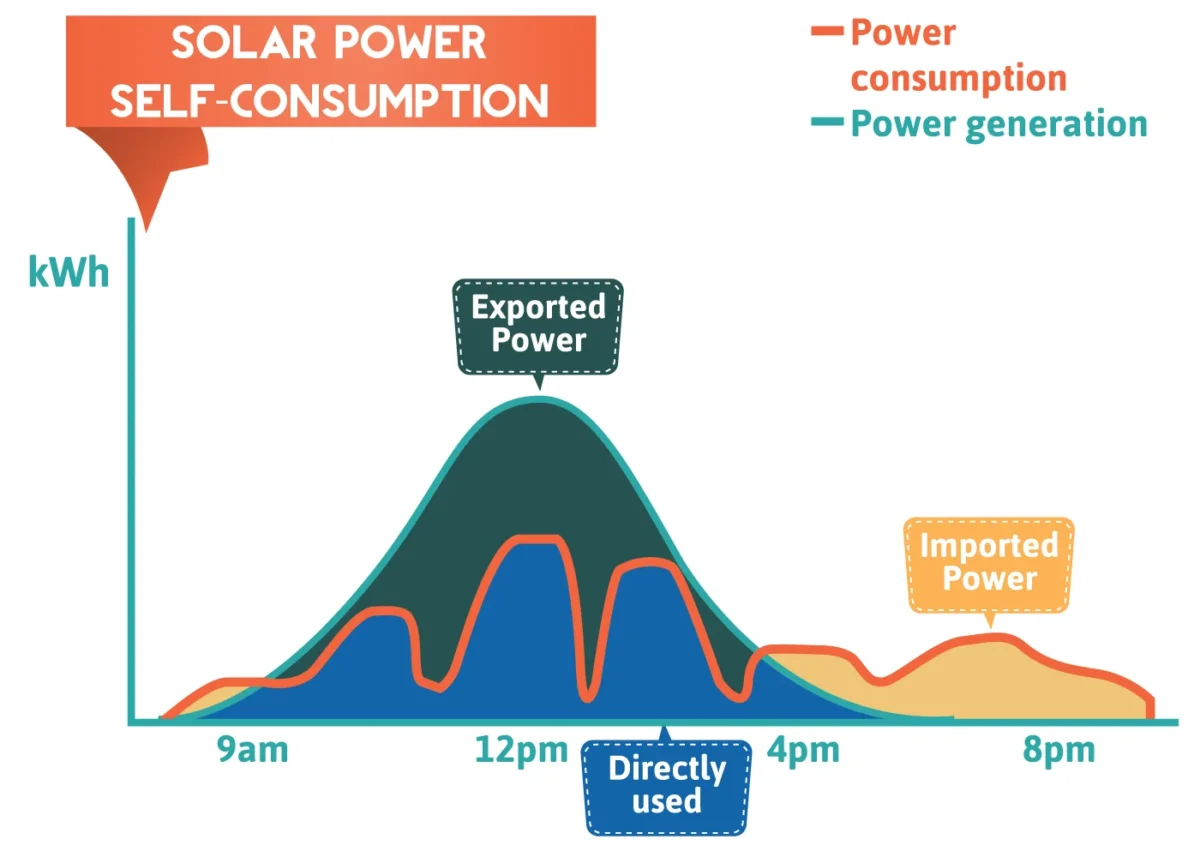
Homes that consume more electricity during the day recover their investment faster because solar power is used directly to offset grid units at full tariff value. Systems that export a larger share of energy rely more on buy-back rates, which can slow recovery and increase uncertainty.
|
User Type |
Daytime Electricity Usage |
Typical Payback Period |
|
Small household |
Low |
4-5 years |
|
Average family home |
Moderate |
3-4 years |
|
High daytime usage home |
High |
2.5-3 years |
|
Commercial / factory |
Very high |
2-3 years |
This reduces dependence on net metering and improves financial predictability.
These figures represent typical market ranges, not guarantees. Actual payback depends on tariff slabs, system sizing, equipment quality, and future policy changes. Proper system planning is more important than chasing the shortest advertised payback period.
Industries that optimise load patterns show even faster recovery, as explained in how factories save with solar in Pakistan.
When Payback Takes Longer Than Expected
Some users feel disappointed when payback stretches beyond expectations. This usually happens due to design or planning mistakes.
Oversizing is a common issue. Correct system sizing plays a major role in recovery time, which is why many homeowners review how to size a home solar system correctly in Pakistan before installation. People install larger systems than their actual usage. Excess energy goes to export, which slows recovery.
Poor equipment selection also affects results. Low-quality panels and inefficient inverters reduce output over time. Maintenance negligence further hurts performance. Many of these issues are covered in the rooftop solar installation mistakes.
Key Factors That Decide Your Actual Payback Period
System size matters, but usage matters more. A smaller system matched to real consumption often recovers faster than a larger one installed blindly. Self-consumption plays a critical role. Units used directly save the full tariff value. Exported units depend on buy-back rates, which may change.
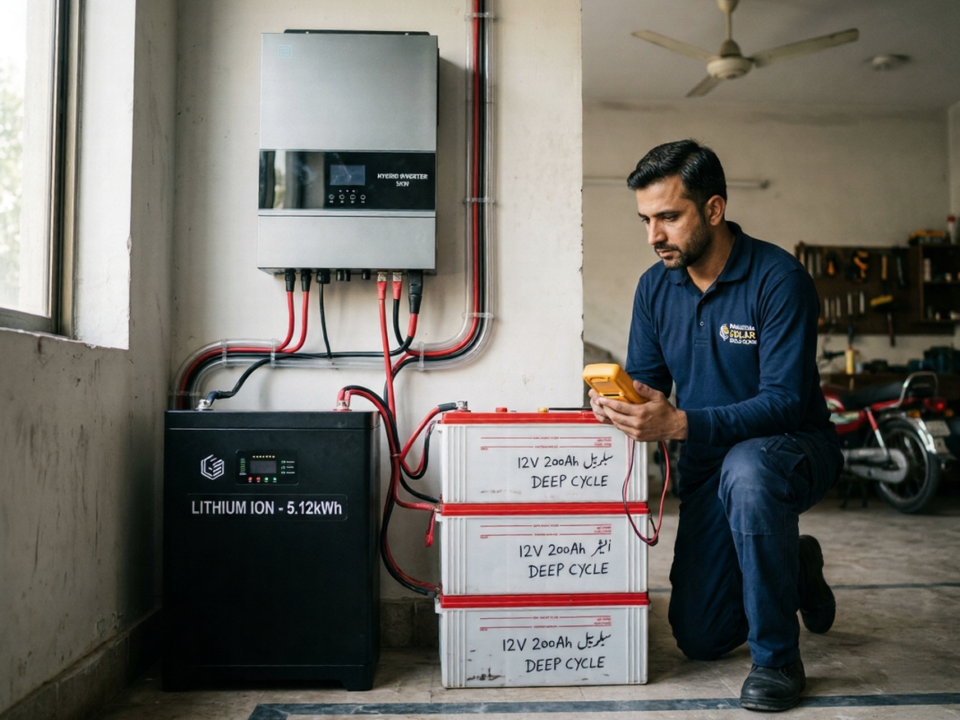
Battery integration changes economics. Batteries improve backup and increase self-consumption but extend payback. This trade-off is discussed in solar battery storage in Pakistan.
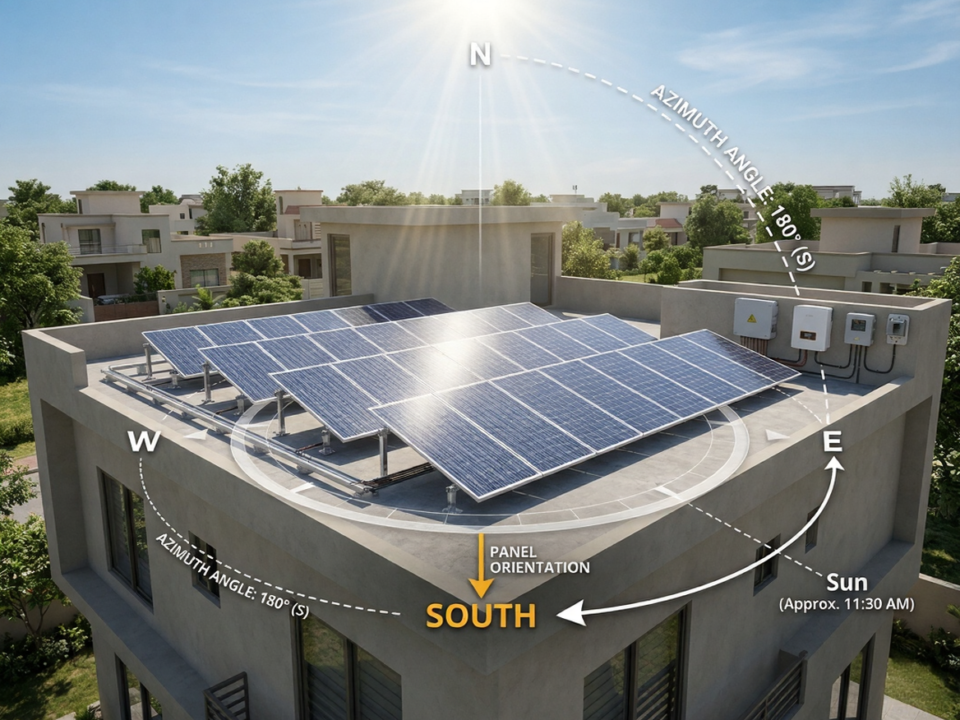
Location also affects output. Dust, heat, and panel orientation influence generation. Regular cleaning and good installation reduce losses.
How to Estimate Your Own Solar Payback Period Practically
Begin with your electricity bills. Analyze the units consumed per month, not just the bill amount. Calculate annual consumption. Estimate the amount of that consumption that happens in daylight hours. This part will give you direct savings.
Calculate the total system cost divided by the estimated annual savings. This will give you a realistic recovery time. Do not make assumptions about peak production. Always use the average output. Pakistan’s summer and winter generation patterns are vastly different.
Seasonal output differences are explained in detail in guides covering solar system performance in Pakistan’s climate. People often forget about tariff slabs. Users of higher slabs will recover faster because the value of each saved unit is higher.
Net Metering and Policy Effects on Payback
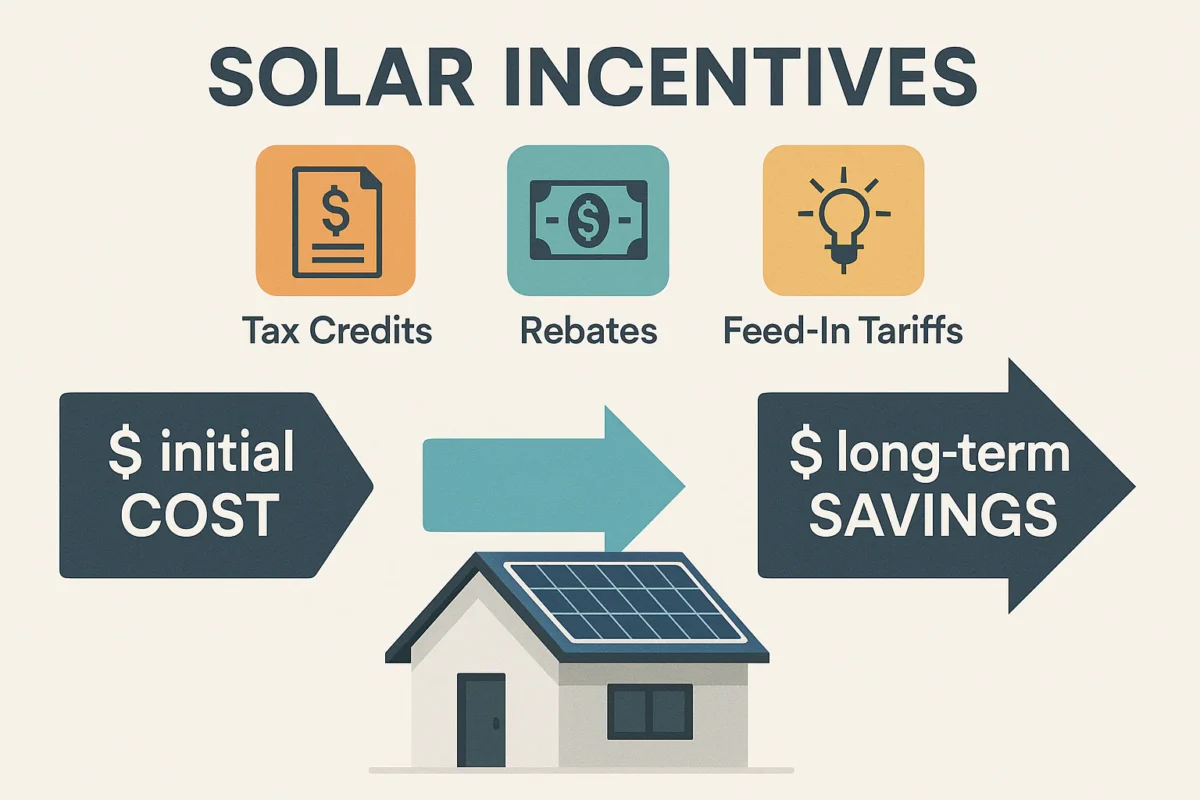
Net metering improves payback but does not guarantee it. Changes in export rates affect recovery timelines.
Homeowners should understand how export credits work and what changes may occur. A clear explanation is available on the solar buy-back rate changes in Pakistan. Policy stability matters more than promises. Designing systems around self-use reduces future risk.
Is Solar Still Financially Worth It in Pakistan?
For most users, yes. Solar offers predictable energy costs in an unstable grid environment. Payback is only the first stage. After recovery, systems deliver free electricity for many years. Panels typically last over two decades.
Long-term value depends on system health. Regular maintenance ensures output remains stable, as explained in solar system maintenance in Pakistan. Solar also protects users from future tariff shocks. This stability matters as much as savings.
Final Thoughts on Solar Payback Period in Pakistan
The solar system payback period in Pakistan is real, but it is not universal. Two families with the same solar system may have different experiences. The difference is in understanding usage patterns, system design, and policy exposure. Don’t fall for the shortest payback period claim. Plan for the real world.
The best solar investment is not the one with the shortest claimed payback period, but the one designed around real consumption patterns and long-term policy stability. When the expectations meet reality, solar becomes a sure bet, not a gamble. The confidence level is more important than any number.
Independent Power: Connect with Enon Traders Today!
Start your off-grid journey with Pakistan’s most reliable solar partner.
| Connect With Us | Action Link |
| Chat Instantly on WhatsApp | Get an off-grid system quote: Click to Chat Now! |
| Visit Our Website | View our off-grid inverters: Official Website |
| Call Our Experts | Design your custom micro-grid: Contact Page |