2026 Market Outlook: Why Tier-1 Solar Panel Prices are Changing
February 2, 2026
Rooftop Load-Bearing Guide: Roof Strength Affects
February 3, 2026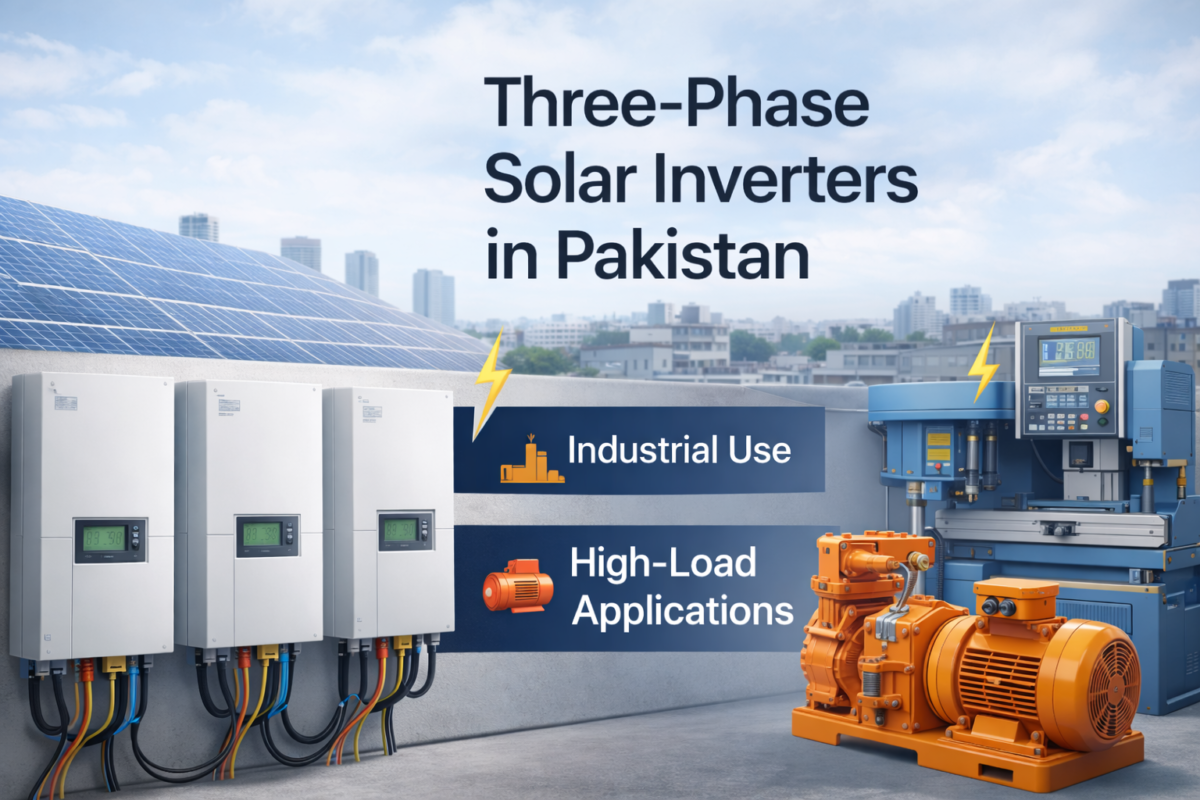
In Pakistan, solar adoption has moved beyond small home systems. Factories, plazas, workshops, and agricultural users now rely on solar to control electricity costs and reduce downtime. At this stage, one question appears again and again.
Do you need a three-phase solar inverter in Pakistan, or will a single-phase system work?
Many people assume a three-phase inverter simply means more power. That assumption leads to wrong system choices, unstable performance, and avoidable expenses. A three-phase inverter does not automatically increase output. It solves specific problems related to electrical load behavior, grid structure, and motor operation.
This guide explains three-phase solar inverters in clear, practical terms. You will understand when they are necessary, how they behave in Pakistan’s grid conditions, and how to decide with confidence before investing.
What Is a Three-Phase Solar Inverter?
A three-phase solar inverter converts DC electricity from solar panels into AC power distributed across three separate electrical phases. Instead of sending all power through a single line, it spreads the load evenly.
In Pakistan, many commercial and industrial electricity connections already operate on three-phase supply. A three-phase inverter aligns with that structure. This alignment keeps voltage stable and prevents stress on cables and equipment.
A single-phase inverter works well for homes and light usage. It struggles when heavy machines start together or when loads fluctuate sharply.
Why Three-Phase Solar Inverters Matter in Pakistan
Pakistan’s electrical grid faces frequent challenges. Voltage fluctuations, phase imbalance, and load shedding are common realities.
When large loads operate on a single phase, the system overheats. Circuit breakers trip. Motors fail during startup. Equipment lifespan shortens.
A three-phase solar inverter distributes power evenly. It reduces voltage drops and supports smoother operation under real local conditions. This is why industrial and high-load users benefit the most.
Many complaints about solar performance trace back to ignoring phase behavior rather than poor solar equipment.
Typical Use Cases for Three-Phase Solar Inverters
Not every solar user needs a three-phase inverter. But many do.
Factories running compressors, CNC machines, or conveyor systems rely on stable phase power. Workshops using welding machines or heavy tools face similar needs.
Commercial plazas with elevators, centralized air conditioning, or water pumps depend on balanced loads. Agricultural tube wells across Punjab often use three-phase motors for irrigation.
Some large homes also require three-phase support. Houses with lifts, deep well pumps, or multiple air conditioners starting together fall into this category.
Installing a single-phase inverter in these setups often leads to disappointment and system limitations.
Three-Phase vs Single-Phase Solar Inverters in Real Life
The difference becomes clear during load spikes.
Single-phase systems struggle when motors start. Voltage dips. Equipment trips. People assume solar cannot handle the load.
Three-phase systems distribute startup current across phases. Motors start smoothly. Voltage stays within safe limits.
|
Feature |
Single-Phase |
Three-Phase |
|
Motor startup |
Weak |
Smooth |
|
Load balance |
Poor |
Stable |
|
Industrial use |
No |
Yes |
This distinction matters more than inverter size. A larger single-phase inverter does not fix phase imbalance.
Three-phase systems also allow future expansion. You can add machinery or increase capacity without redesigning the electrical backbone.
Load Balancing and Why It Is Often Ignored
Load balancing means distributing electrical consumption evenly across phases. Many installations overlook this step.
When one phase carries more load, the inverter limits output. Performance drops. Users blame solar generation.
In reality, poor load planning caused the issue.
This mistake appears frequently in factories and commercial buildings. It also affects homes with mixed wiring layouts. It is one of the rooftop solar mistakes in Pakistan.
Proper load planning matters as much as inverter selection.
Industrial Inverters and High-Load Solar Applications
In high-load environments, inverter losses become more visible over time, which is why understanding Inverter Efficiency Ratings helps industrial users estimate real-world output and heat behavior.
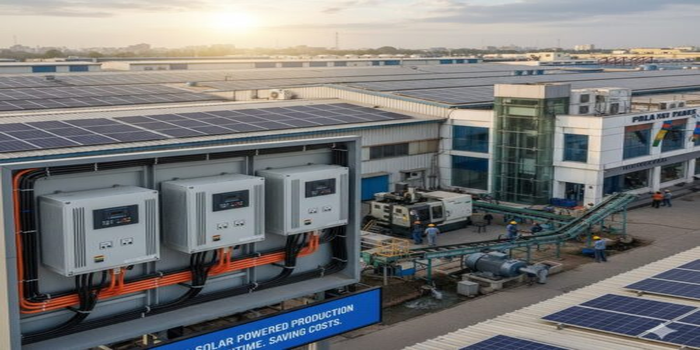
Industrial inverters differ from residential units. They handle continuous operation, high temperatures, dust, and long duty cycles. Residential inverters are not designed for this stress. They overheat or reduce output to protect themselves.
Factories operating multiple shifts need equipment built for constant load. When system design matches real usage, results improve significantly. This approach explains why Industrial solar savings in Pakistan.
Hybrid vs On-Grid Three-Phase Solar Systems
On-grid three-phase inverters work well where the grid supply remains available. They export excess power and reduce electricity bills. Hybrid three-phase systems include batteries. They provide backup during outages but come with limitations.
Many users expect batteries to run all industrial loads. That expectation often fails. Batteries support selected circuits, not entire factories.
Before choosing hybrid systems, it helps to understand Solar battery integration in Pakistan. Clear expectations prevent system disappointment.
Net Metering Considerations for Three-Phase Systems
Net metering rules apply differently to three-phase connections. Export happens phase-wise. Utilities inspect the balance carefully.
Poor system design leads to approval delays. Many industrial users face rework because declared loads do not match phase distribution.
Policy changes also affect planning and returns. Staying informed about the Net metering policy update in Pakistan helps avoid surprises.
Ignoring regulatory details increases cost and time.
Common Misunderstandings About Three-Phase Solar Inverters
Many people believe three-phase means three times more power. That is incorrect. Others assume any inverter can run any load. That belief damages motors and solar equipment.
Some oversize inverters are hoping to fix wiring issues. That approach wastes money and does not solve the imbalance. Most solar problems come from misunderstanding system behavior, not poor solar technology.
How to Decide If You Need a Three-Phase Solar Inverter
Ask practical questions.
Do you operate motors, lifts, or compressors?
Does your utility connection provide a three-phase supply?
Do multiple heavy loads start at the same time?
If yes, a three-phase inverter makes sense.
If your usage remains residential and simple, single-phase systems still work well. Proper sizing remains critical. Follow a structured method, like Solar system sizing in Pakistan, before final decisions.
Cost planning also matters. Understanding Solar installation costs in Lahore helps align expectations with reality.
Key Takeaways for Solar Users in Pakistan
Three-phase solar inverters solve specific electrical challenges. They do not magically increase generation. They support motors, balance loads, and stabilize voltage. Most solar failures come from poor planning. Inverter selection plays a central role. When the inverter type matches real usage, solar performs reliably. When decisions rely on assumptions, problems follow.
Careful planning saves money, protects equipment, and improves long-term performance. For users dealing with increasing rooftop installations and utility stress, understanding grid challenges in Pakistan with high rooftop solar uptake also helps place system decisions in context. A well-designed system builds confidence instead of frustration.
Independent Power: Connect with Enon Traders Today!
Start your off-grid journey with Pakistan’s most reliable solar partner.
| Connect With Us | Action Link |
| Chat Instantly on WhatsApp | Get an off-grid system quote: Click to Chat Now! |
| Visit Our Website | View our off-grid inverters: Official Website |
| Call Our Experts | Design your custom micro-grid: Contact Page |