Solar Tilt Angle Pakistan: Correct Panel Angle for Maximum Year-Round Output
March 11, 2026
Lithium Battery Advantages in Pakistan: Practical Lithium Benefits for Solar Homes
March 12, 2026
Solar prices in Pakistan do not move in a straight line. They rise, stabilize, and then rise again. One week, you receive a quotation. Two weeks later, the same system costs more. Many homeowners feel confused. Some feel frustrated. But in most cases, the increase is not random.
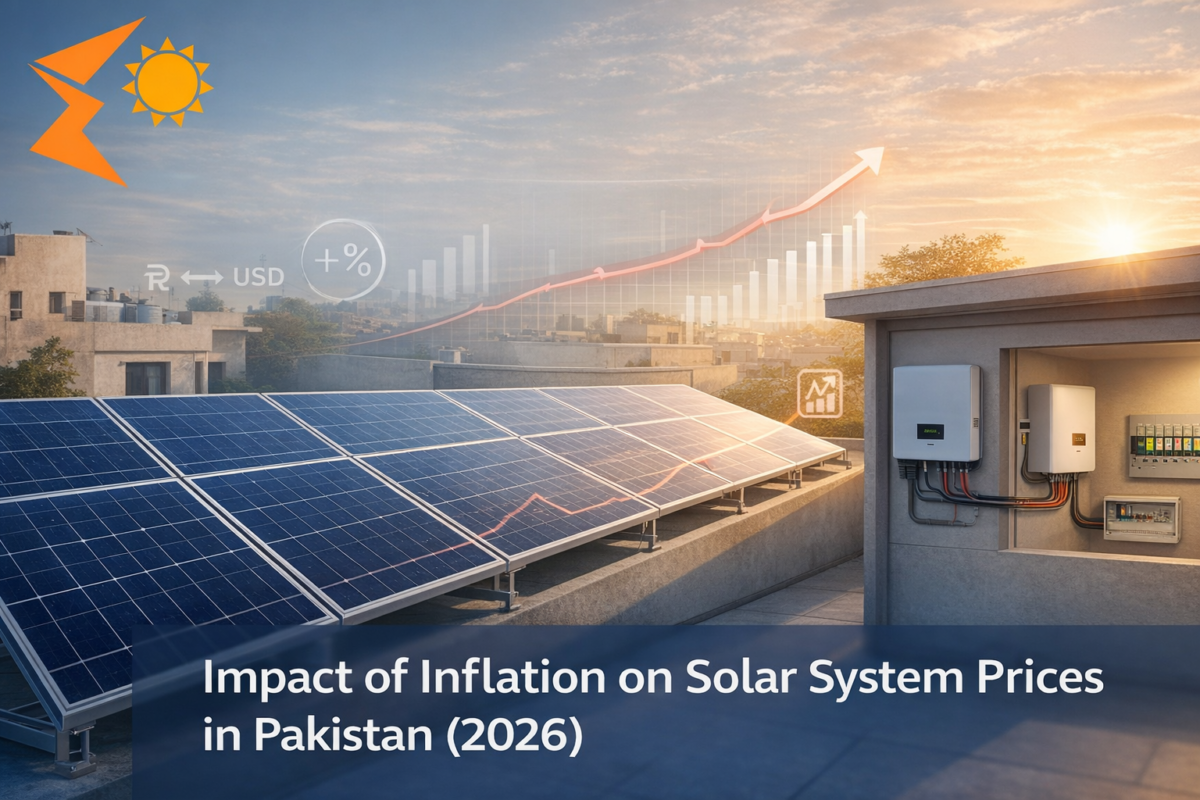
It reflects real economic pressure. Inflation, rupee depreciation, import replacement cost, and policy signals all influence solar pricing. If you want to know the impact of inflation on the solar system’s price in Pakistan, then you want to know the following question: Are the prices increasing because of economic pressure, or are they being increased?
This guide will provide information on the impact of inflation on solar panels’ price, why the solar system’s price changes, and how to make the right decision.
Quick Answer: Does Inflation Increase Solar Prices in Pakistan?
Yes. Solar prices increase in Pakistan when:
- The rupee depreciates against the dollar
- Import replacement cost rises
- Local labor and material costs increase
- Policy changes create sudden demand
Solar equipment is largely imported. Even when global panel prices fall, local currency weakness can cancel out those reductions.
Understanding this prevents emotional decisions and replaces them with economic clarity.
Understanding Inflation in Pakistan and Why It Affects Solar
Inflation means your money buys less over time.
In solar, you see it in:
- Panels
- Inverters
- Wiring
- Mounting structures
- Labor and transport
In simple terms, inflation increases the cost of doing business. But solar pricing has an additional layer. Pakistan imports a large portion of its solar panels, inverters, and lithium batteries. That means two economic forces operate at the same time:
- Domestic inflation increases installation and logistics costs
- Rupee depreciation increases the landed cost of imported products
When the rupee weakens, replacing stock becomes more expensive. Even if a dealer has inventory today, pricing reflects what it will cost to restock tomorrow. This is why inflation impacting solar prices in Pakistan is not a simple story. It combines internal inflation with currency movement.
Inflation vs Rupee Depreciation: Know the Difference
Many homeowners mix these two concepts. Inflation reduces purchasing power in Pakistan.
Rupee depreciation reduces the currency’s value against the dollar.
Solar imports react strongly to currency depreciation. For example, if panels are priced at 0.18 dollars per watt internationally, and the dollar rises by 10 percent, the landed cost automatically increases even if factory prices remain stable.
When someone says the rate has gone up, ask why. Is it internal inflation, currency pressure, or both? This distinction matters because sometimes global solar prices fall while local prices increase. Currency weakness often cancels global reductions.
Understanding this removes confusion and builds financial clarity.
How Inflation Directly Impacts Solar Prices in Pakistan
1. Imported Equipment Follows the Dollar
Most solar panels, inverters, and lithium batteries are imported. If the rupee drops from 275 to 300 against the dollar, the same shipment becomes significantly more expensive in local currency.
A typical cycle looks like this:
- Shipment arrives at one exchange rate
- Rupee weakens
- New purchase orders cost more
- Market prices adjust
From a homeowner’s perspective, the increase feels sudden. From a supplier’s perspective, it protects against replacement loss.
2. Local Installation Costs Increase Quietly
Inflation does not only affect imported hardware. It also increases:
- Steel and aluminum mounting structure cost
- Copper cable pricing
- Transport and diesel
- Skilled technician wages
Even when global panel prices soften, the total system cost may still rise. If you want to understand how quotations are structured, this guide on rooftop solar system cost in Lahore explains cost components clearly.
3. Supply Chain Timing Creates Price Jumps
Solar prices do not update daily like petrol. Vendors adjust prices when:
- A new container lands
- Import duties change
- Currency crosses a risk level
- Large buyers absorb inventory
Two installers in the same city may quote different prices because one holds older stock. This is normal in import-based industries.
Panel Price vs Total System Price
Tracking per-watt panel pricing is helpful, but it does not tell the full story. A complete solar system includes:
- Panels
- Inverter
- Mounting structure
- Protection devices
- DC and AC wiring
- Earthing and breakers
- Installation and commissioning
If inflation raises copper and protection component costs, the total system increases even when the panel price remains stable. To understand import-driven price movements, review the trends in imported solar modules and batteries.
Does Inflation Always Make Solar More Expensive?
Not always. But it increases uncertainty.
When Global Panel Prices Fall
Technology improvements and oversupply can reduce factory pricing. Pakistan benefits only if currency stability allows that reduction to pass through.
When Currency Weakens Faster Than Global Prices Fall
If the rupee weakens sharply, local prices still increase. Many homeowners read international headlines expecting price drops. When local quotations rise instead, frustration follows. Understanding both forces reduces that frustration.
Install Now or Wait? A Practical Financial Comparison
Most homeowners are asking one question: Should I install now or wait for prices to drop? Waiting carries two risks:
- Solar price increase due to inflation and currency pressure
- Rising electricity tariffs while you delay
Electricity tariffs in Pakistan historically adjust upward in inflationary periods. Instead of guessing, calculate your numbers. A practical way to decide is to estimate your payback period using your own bill history.
When you see how quickly savings accumulate, the focus shifts from equipment price to long-term financial protection.
Policy and Market Uncertainty Also Influence Solar Pricing
Inflation is not the only driver. Policy signals influence demand.
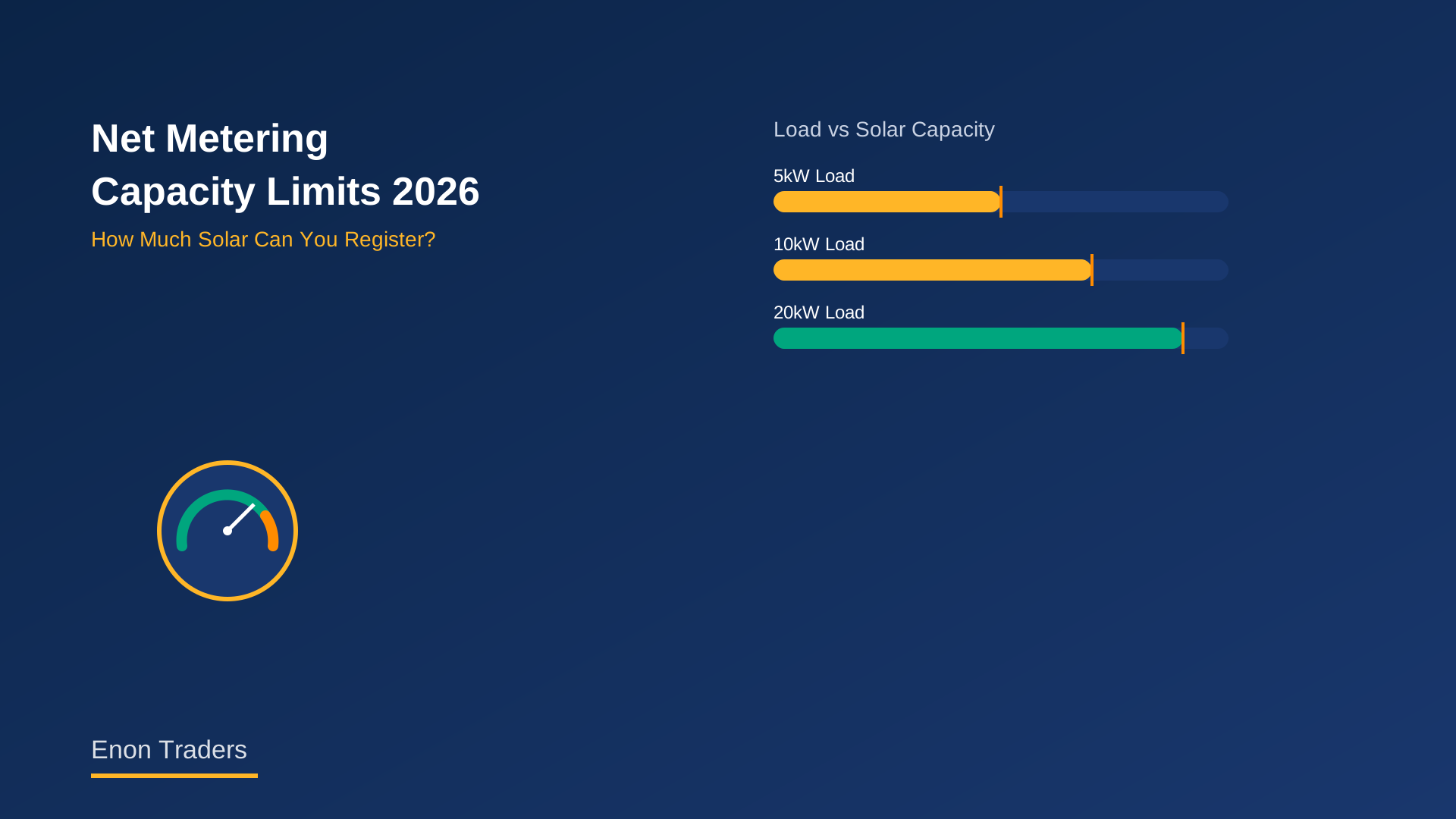
If the government announces changes in export rates or net metering rules, demand can spike within weeks. When demand spikes, installer capacity tightens, and inventory pressure increases. Understanding Pakistan’s solar policy 2026 helps interpret market movements correctly.
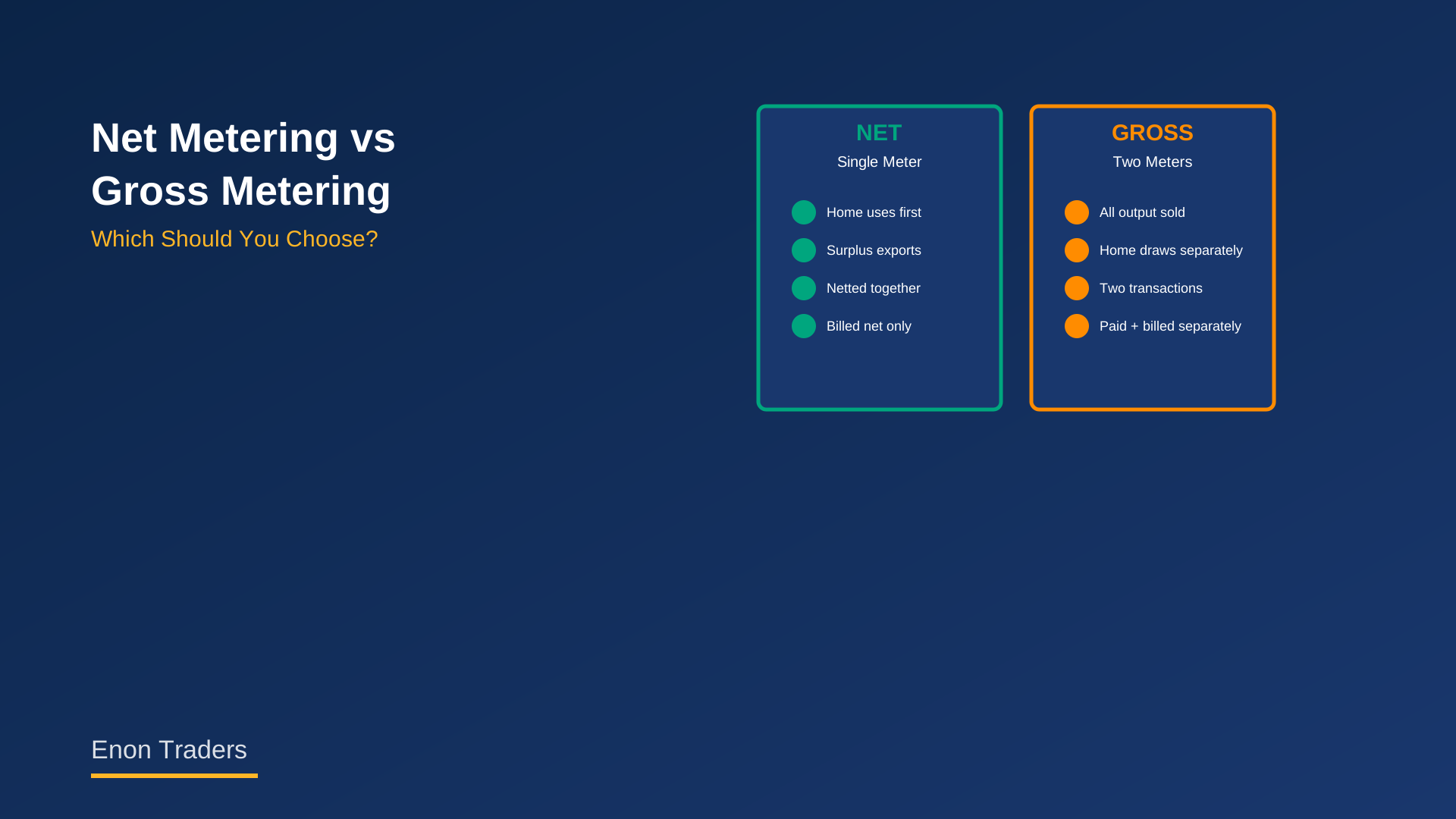
Similarly, the transition explained in the shift from net metering to net billing changes long-term savings expectations. When homeowners fear losing benefits, installations accelerate. Demand rises. Prices respond.
Common Misconceptions About Solar Price Increases
Installers Increase Prices Randomly
Most price adjustments reflect replacement cost risk. Ask what exchange rate the quotation assumes.
Cheapest Quote Is Always Best
Low quotations often remove surge protection, correct cable sizing, or proper earthing. Later, homeowners face inverter errors and performance loss.
Reading about the top mistakes to avoid when installing rooftop solar protects you from hidden costs.
Waiting Always Makes Solar Cheaper
Sometimes prices stabilize. Sometimes they increase further. Pakistan’s inflation cycles are unpredictable.
Batteries and Inflation: A Decision That Requires Care
In inflationary periods, many homeowners rush to add batteries. But battery imports are highly sensitive to currency movement. Before adding storage, evaluate your load shedding pattern and backup needs.
This detailed guide on battery storage for home solar explains when storage makes financial sense.
A Clear Framework to Understand Solar Price Movements
Instead of reacting emotionally, evaluate four layers:
- What is happening to the rupee
- What is happening to the global panel supply
- What is happening to local labor and material costs?
- What is happening to policy and demand
When you analyze these layers, solar price movements start to make sense.
Final Thoughts
Inflation impacts solar prices in Pakistan through real economic mechanisms. Currency depreciation increases import costs. Local inflation raises installation expenses. Policy uncertainty influences demand.
These forces combine to create pricing cycles. You cannot control inflation. But you can control your decision process. Review what the quotation includes. Confirm protection components. Calculate payback based on your own consumption. Compare the risk of waiting against acting now.
When you evaluate with numbers instead of rumors, you move from uncertainty to strategic energy planning. In inflationary markets, solar is not just an expense. It is protection against rising tariffs and currency instability. Make your decision with clarity, not emotion.
Independent Power: Connect with Enon Traders Today!
Start your off-grid journey with Pakistan’s most reliable solar partner.
| Connect With Us | Action Link |
| Chat Instantly on WhatsApp | Get an off-grid system quote: Click to Chat Now! |
| Visit Our Website | View our off-grid inverters: Official Website |
| Call Our Experts | Design your custom micro-grid: Contact Page |