Battery Storage Capacity Calculator: Find the Right kWh Size for Your System
May 8, 2026
Net Metering for Homes in Pakistan in 2026: Real Savings, Bill Calculation, and Whether It’s Still Worth It
May 11, 2026
In 2026, Pakistan’s solar energy market reached an impressive milestone of 5 gigawatts in installed capacity, driven by escalating costs of electricity, growing load shedding problems, and a rapid decrease in prices for solar panels.
And thus, the solution they chose is solar energy.
By 2026, Pakistan will silently emerge as one of the fastest-growing solar markets in Asia. This paper will look at the reasons behind this rapid growth, numbers to substantiate the claim, and implications for both homeowners and businesspeople in Pakistan.
How Big Has Solar Demand in Pakistan Actually Become?
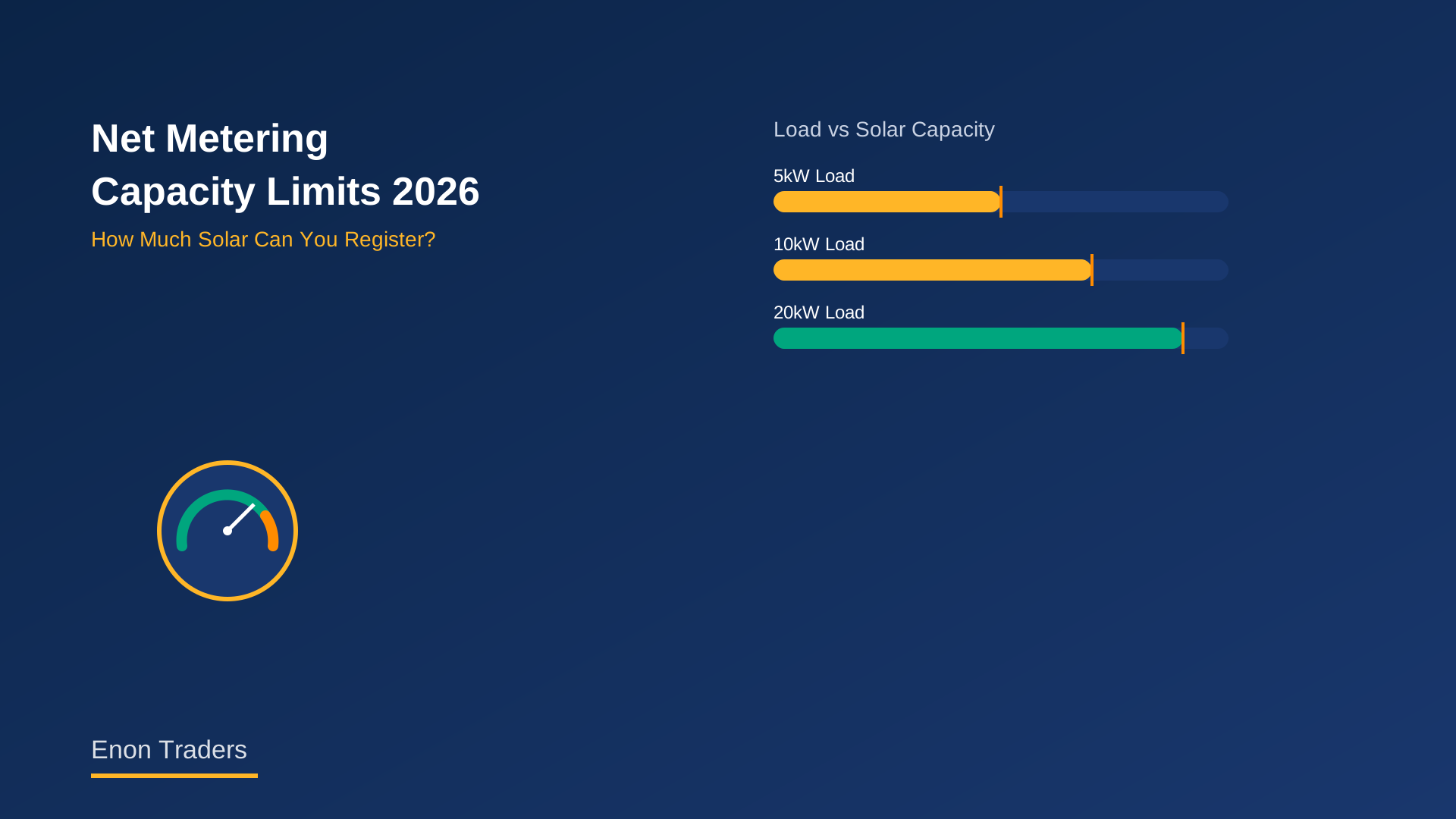
The installation of solar energy capacity in Pakistan surpassed the mark of 5,000 MW in 2026. Among all sectors, rooftop installation is at its highest. Registrations on Net Metering by NEPRA rose from about 14,000 connections to more than 250,000 active connections in early 2026. This is not incremental development; rather, this is a paradigm shift in energy generation.
The most active province in adopting solar energy is Punjab, with Lahore, Faisalabad, and Sialkot leading. Sindh ranks next, with gradual progress in Karachi. The off-grid and agricultural areas of KPK and Balochistan are experiencing rapid growth in the installation of solar due to the lack of availability of reliable grid connections.
The commercial and industrial sectors are also contributing. Industrial enterprises, textile factories, and SMEs in Punjab and Sindh are rapidly switching to solar energy due to excessive electricity bills.
Four Reasons Solar Demand Is Growing So Fast
1. Load Shedding Turned Solar from a Luxury into a Survival Tool
Until 2022, solar was something that affluent homes could afford. After 2022, however, it became something that middle-class homes resorted to because they did not have another choice. When businesses find themselves losing productive hours each day, and homes find themselves relying heavily on generators, solar becomes a luxury. It becomes necessary.
What drove the Pakistani solar revolution psychologically?
It wasn’t any campaign or government incentive; it was thousands of people reaching a point of no return.
2. Electricity Tariffs Made Solar the Cheaper Option
WAPDA and DISCO tariffs increased by over 150% between 2022 and 2024. A household paying Rs. 8,000 per month found itself paying Rs. 18,000 to Rs. 22,000 for the same consumption. That compressed solar payback periods from 7-10 years down to roughly 3-5 years.
Buyers today are financially sharp about this decision. Knowing how to calculate the payback period for a home solar system in Pakistan has become standard research before any purchase, because the numbers now strongly favor solar for most households.
3. Panel Prices Dropped by Nearly 80%
In 2022, solar panels in Pakistan were priced between PKR 130 and 140 per watt. By 2025, quality Tier 1 panels had dropped to PKR 22 to 28 per watt. That collapse in cost is the single biggest accelerator of adoption across all income levels.
The main reason was China’s manufacturing surplus, which flooded global markets with cheaper panels.
4. Net Metering Changed the Financial Case for Solar
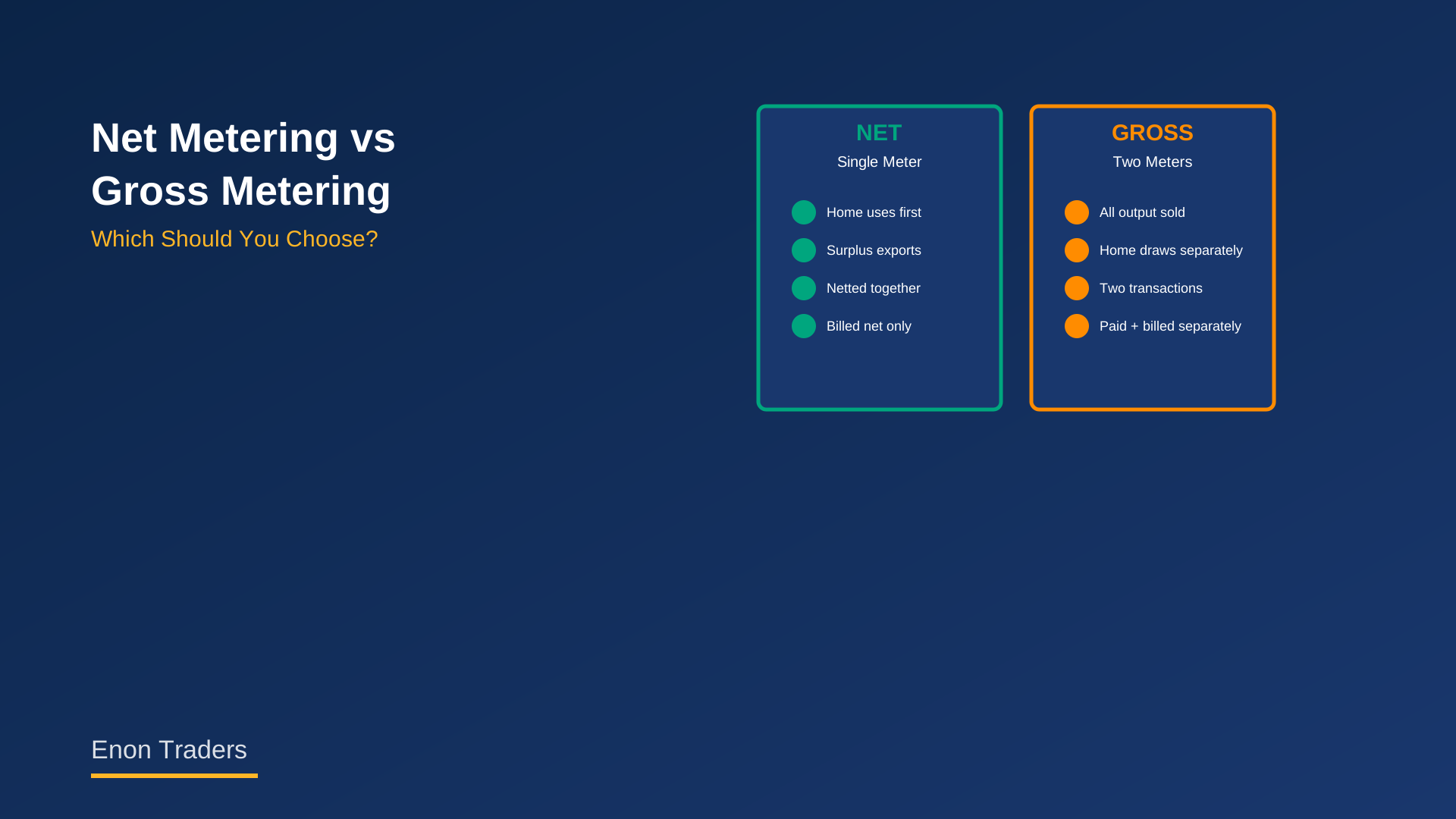
Net metering enabled homeowners to sell surplus electricity back to the grid, turning solar from a cost-cutting measure into an asset with a financial return. Registered net metering users grew by over 400% between 2022 and 2025.
But the policy landscape is changing. Export rates are falling, and some DISCOs are shifting toward net billing models. The impact of changing buy-back export rates for solar in Pakistan is something every buyer planning their solar ROI needs to factor in before committing.
The Adoption Rate in Numbers
The numbers show how rapidly the market accelerated after 2022.
|
Year |
Installed Capacity (MW) |
Net Metering Connections |
|
2020 |
400 |
8,000 |
|
2021 |
700 |
14,000 |
|
2022 |
1,200 |
28,000 |
|
2023 |
2,100 |
75,000 |
|
2024 |
3,600 |
160,000 |
|
2026 |
5,000+ |
250,000+ |
The steepest growth happened between 2022 and 2024, directly aligned with the worst load shedding period and the sharpest tariff increases. By 2026, adoption has matured into a sustained trend rather than a reactive spike.
Pakistan’s residential adoption rate now outpaces India on a per-capita basis within comparable income segments, which is a remarkable position for a country where solar barely registered on the middle-class radar five years ago.
Where Is Growth Happening Fastest?
Residential installations dominate overall volume, but the fastest-growing segment from 2025 to 2026 is agriculture. Solar-powered tube wells are transforming irrigation economics across Punjab and Sindh. Farmers are cutting irrigation costs by 60 to 80%, and the benefits and risks of solar-powered tube wells in Punjab are now a serious policy and planning conversation at the provincial level.
SMEs are the second fastest-growing segment. Restaurants, cold storage units, garment workshops, and retail shops are installing systems ranging from 10 kW to 50 kW to manage operating costs that were eroding their margins.
The Role of Policy and the Private Sector
How AEDB and NEPRA Shape the Market
AEDB and NEPRA together form the regulatory backbone of Pakistan’s solar industry. NEPRA’s net metering framework, first introduced in 2015 and revised several times since, created the conditions that made residential solar financially viable at scale.
The Pakistan solar policy changes in 2026 have tightened metering requirements and introduced net billing in several DISCO regions. This is reducing the export benefit for new users and creating urgency among buyers who want to register under the more favorable existing terms.
Import Duties: Still a Moving Target
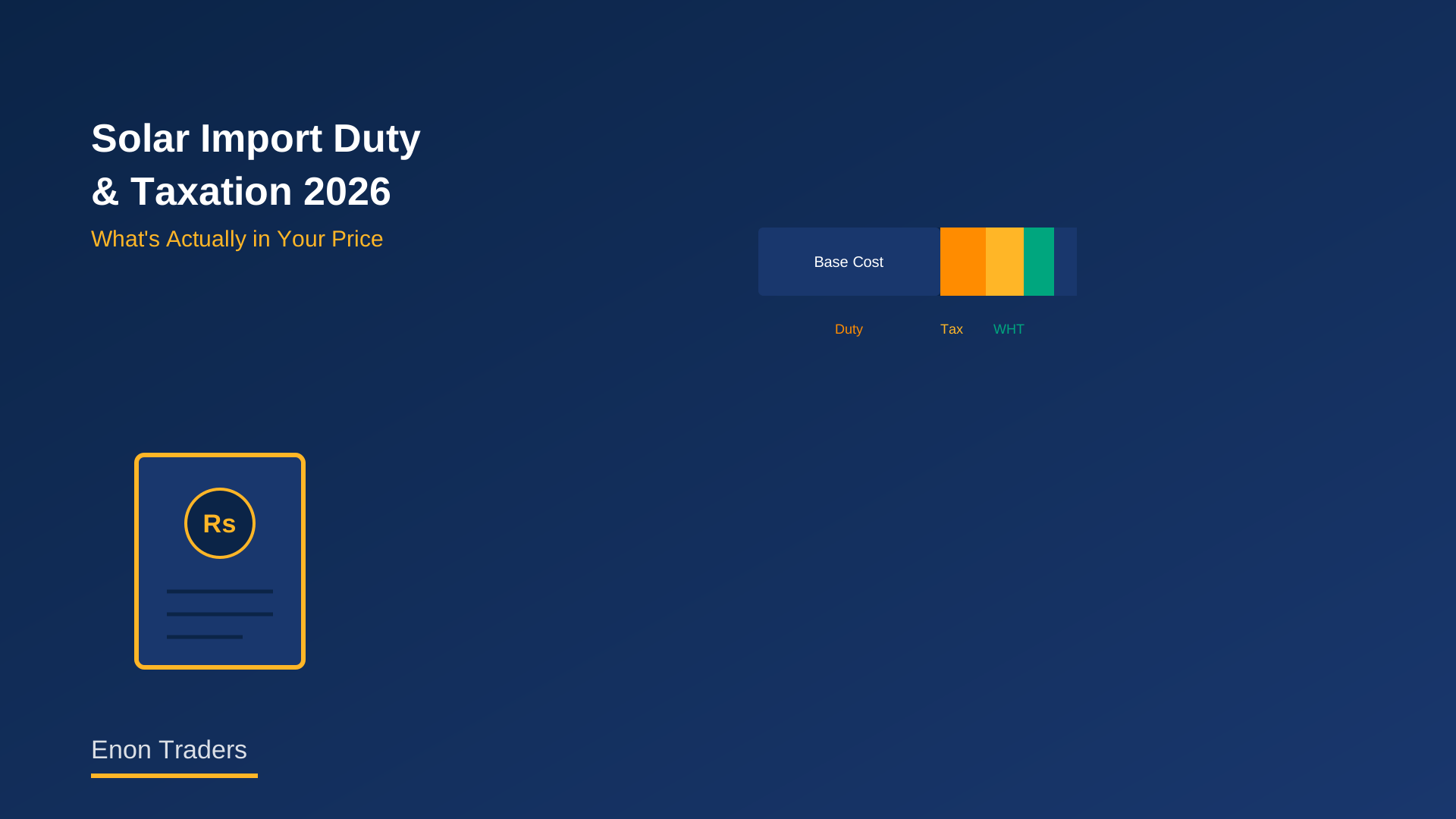
Pakistan’s duty policy on solar imports has shifted repeatedly over the last four years. Duties were removed, reintroduced, and then partially waived, creating uncertainty for installers and importers trying to price systems accurately.
In 2026, the position remains broadly favorable, though component-specific duties continue to evolve. 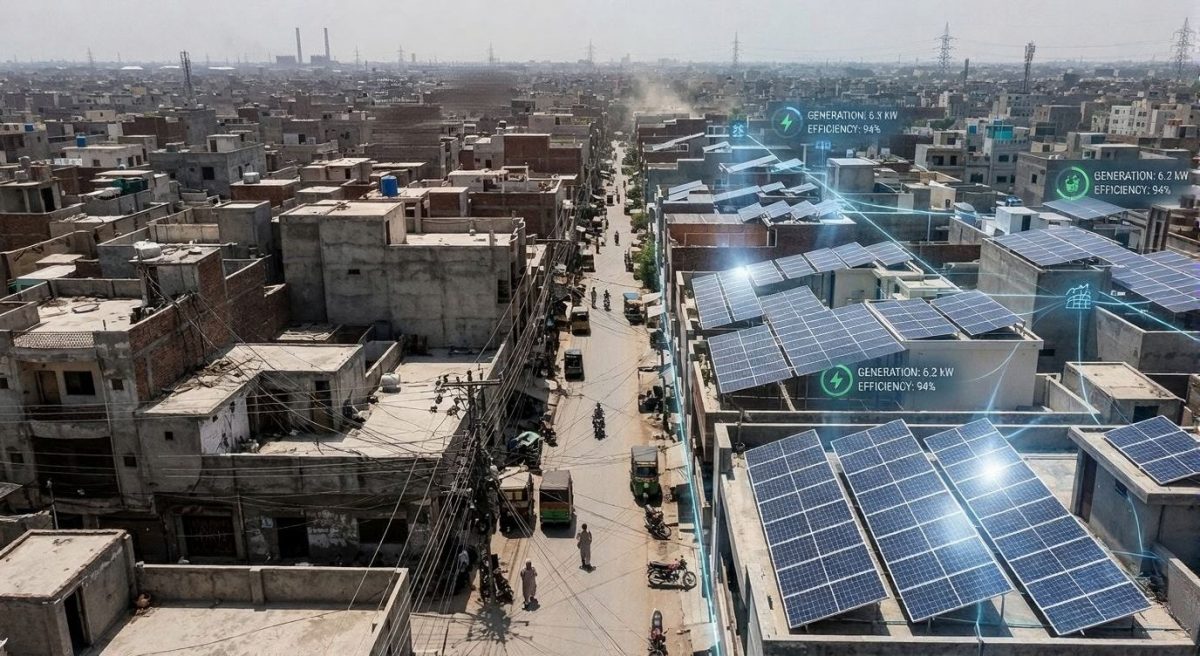
Financing Has Opened the Market to a New Buyer Segment
Bank Alfalah, Meezan Bank, and several microfinance institutions now offer solar-specific lending products. Installment plans have opened solar access to middle-income households that previously could not afford the upfront cost.
This shift is significant. It means solar demand in Pakistan is no longer driven only by affluent households. It is reaching the urban middle class, small business owners, and in some cases, rural communities through targeted schemes.
Real Challenges That Could Slow This Growth Down
Pakistan’s solar boom is real, but the market still faces several structural problems that could slow adoption if left unresolved.
Grid Stability Is Becoming a Serious Issue
Pakistan’s electricity grid was designed for one-directional power flow, not for millions of rooftop systems sending electricity back into the network.
As solar adoption increases, DISCOs are struggling with:
- voltage fluctuations
- transformer stress
- reverse load management
- technical losses
This is one reason net metering policies are becoming stricter in some regions. The grid challenges caused by high rooftop solar uptake in Pakistan will likely shape energy policy decisions over the next several years.
Low-Quality Solar Panels Are Flooding the Market
Falling prices helped accelerate solar adoption, but they also opened the door for low-grade imports.
B-grade and unverified panels are increasingly entering Pakistan through informal channels. Some systems degrade far faster than Tier 1 equipment, reducing long-term savings for buyers.
Knowing how to choose quality solar equipment and avoid substandard imports is becoming essential for homeowners and businesses investing in solar.
Pakistan Still Lacks Enough Skilled Installers
Demand is growing faster than installer capacity.
Pakistan still does not have enough certified solar technicians to meet installation demand at scale. Poor installation quality can lead to:
- lower system performance
- wiring faults
- warranty issues
- roof damage
- safety risks
For many buyers, installer quality is now just as important as panel quality.
What This Means for Businesses and Investors
Pakistan’s solar market is valued at over $2 billion in 2026. Residential installation, equipment distribution, and maintenance services represent the three largest revenue segments.
The fastest-growing business model is solar-as-a-service, where companies install systems at zero upfront cost and charge monthly fees below the customer’s previous electricity bill. This model has opened solar access to renters, small businesses, and lower-income households who cannot manage upfront capital.
For businesses already operating in this space, hardware margins are compressing while installation quality and after-sales service are becoming the primary differentiators. The companies building reputations for quality and reliability now will be better positioned as the market consolidates.
Four Misconceptions Worth Correcting
Solar is only for wealthy households. A fully installed 5 kW system in 2026 costs roughly Rs. 500,000 to Rs. 650,000, compared to Rs. 800,000 to Rs. 1,000,000 just two years ago. Combined with financing options, solar is genuinely within reach of the urban middle class.
Net metering means your electricity bill goes to zero. Net metering reduces your bill significantly, but export rates have been declining and vary by DISCO. Build your financial model on realistic export income, not optimistic assumptions.
All solar panels perform the same. Tier 1 panels from brands like JA Solar, LONGi, and Jinko carry 25-year performance warranties backed by real quality control. Unbranded or B-grade panels typically do not. The upfront price gap may be small, but long-term performance differences can be massive.
The government is driving this boom. Pakistan’s solar growth is consumer-driven. Government schemes like the CM Punjab Free Solar Panel initiative added momentum at the margins, but the core demand has come from millions of households and businesses making independent economic decisions about their own energy costs.
Where Pakistan’s Solar Market Heads Next
The rise of solar in Pakistan in 2026 is no fad. It is simply too economically advantageous, the grid is too unstable, and public knowledge too plentiful for it to stop now.
The future lies in integration with battery storage technology, improved hybrid inverters, and moving away from net-metering to energy trading.
Pakistan always had plenty of sunshine. What did change was the economic impetus to make solar installations essential rather than a luxury. That impetus remains as clear as ever in 2026.
Independent Power: Connect with Enon Traders Today!
Start your off-grid journey with Pakistan’s most reliable solar partner.
| Connect With Us | Action Link |
| Chat Instantly on WhatsApp | Get an off-grid system quote: Click to Chat Now! |
| Visit Our Website | View our off-grid inverters: Official Website |
| Call Our Experts | Design your custom micro-grid: Contact Page |