How to Integrate Battery Backup with Your Solar System in Pakistan
January 8, 2026
Solar Panel Size Calculator Pakistan – Load-Based System Sizing
January 12, 2026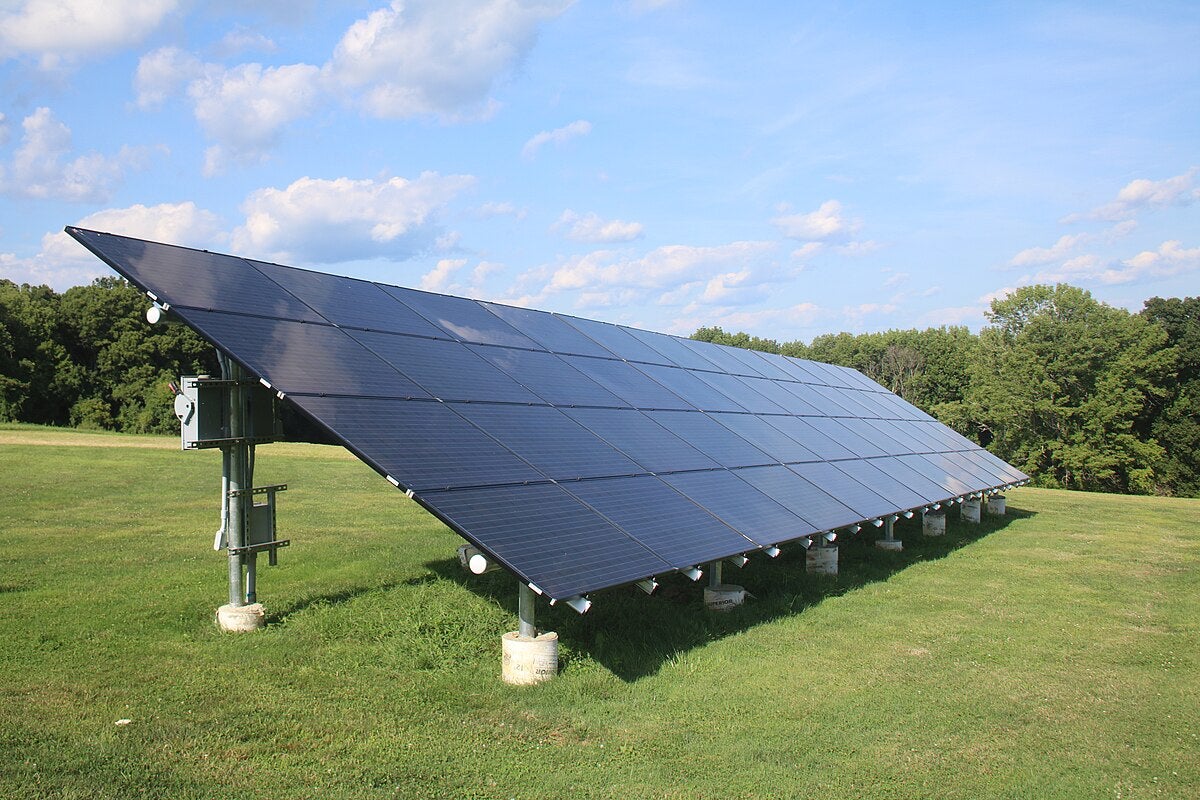
Rising electricity costs and an unreliable power supply are pushing more households and businesses in Pakistan toward solar systems. While rooftop installations remain the most common choice, a growing number of users are now considering ground-mounted solar systems as an alternative.
Ground-mounted systems are often seen as more scalable and efficient, but this depends heavily on site conditions and system design. In many cases, they also introduce risks that are frequently overlooked.
The real question is not whether a ground-mounted solar system is better, but whether it suits your land conditions, budget, and energy needs in Pakistan.
This guide provides clear, practical information about ground-mounted solar panels without any sales intent. It is designed to help you make a confident, well-informed decision based on real-world conditions.
What Are Ground-Mounted Solar Panels?
A solar panel system installed directly on open land is known as a ground-mounted solar system. In this configuration, panels are fixed to metal structures that are anchored into the ground using concrete foundations or driven piles. The method of electricity generation remains the same as any other solar system, but the installation offers far greater layout flexibility.
Ground-mounted systems allow installers to optimize panel tilt, spacing, and orientation for maximum sunlight exposure, something that is often limited on rooftops due to space, roof angle, and structural constraints.
How Ground-Mounted Solar Systems Work?
Like any photovoltaic system, ground-mounted solar panels convert sunlight into electricity through solar cells. That electricity is then:
- Used directly on-site
- Stored in batteries
- Exported to the grid via net metering
The major difference lies in system layout freedom. On open land, installers can optimize:
- Panel tilt angles
- Orientation toward the sun
- Spacing between panel rows
These design choices have a direct impact on real-world output and long-term system performance.
Ground-Mounted vs Rooftop Solar: The Core Difference
The primary distinction between rooftop and ground-mounted solar installations is with regard to constraints.
Rooftop solar faces the following limitations:
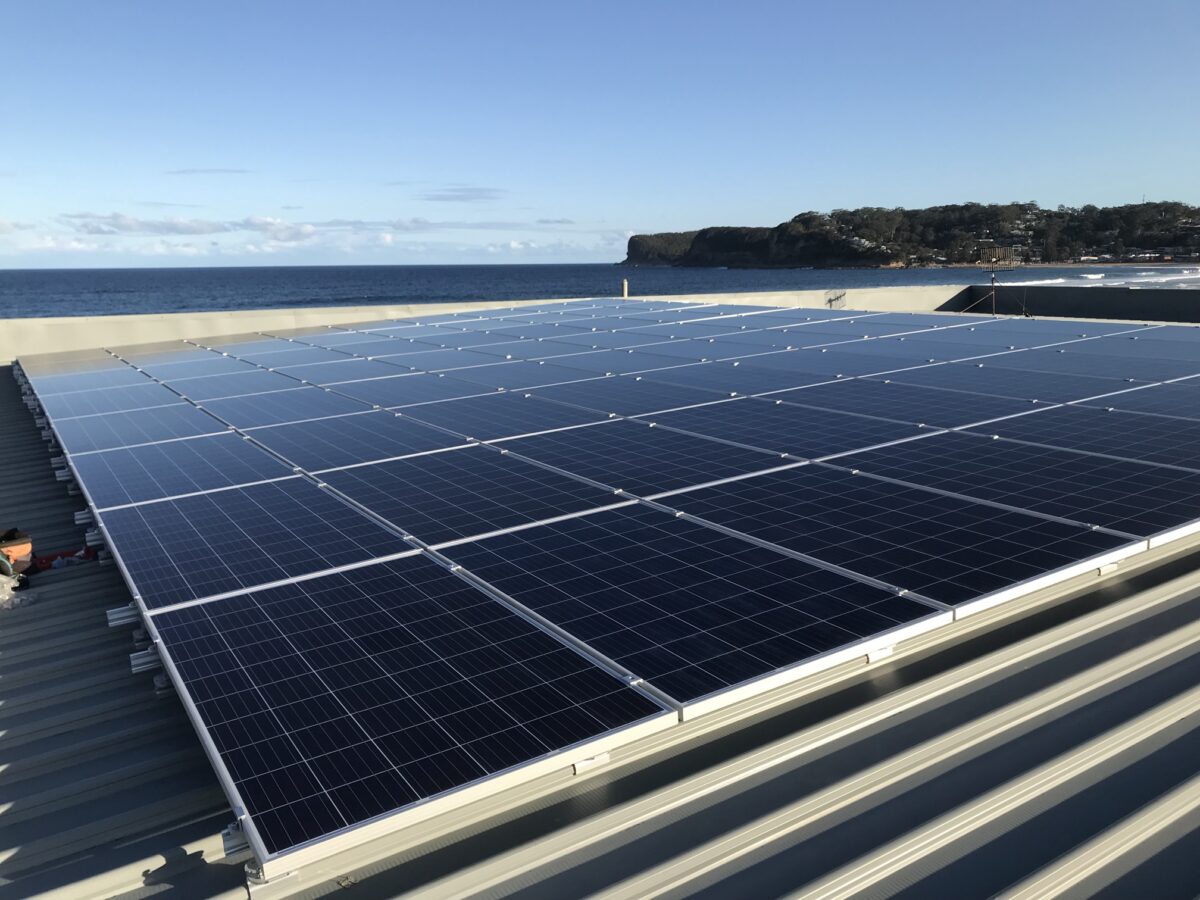
- Roof Size and Strength
- Roof orientation limitations (east/west-facing roofs reduce output)
- Shading from adjacent buildings
For ground-mounted systems, the cost is mainly dependent on land, which can also facilitate easy optimization, cooling, and maintenance as compared to roof-mounted solar panels.
This flexibility makes ground-mounted systems ideal for larger installations where consistent performance matters more than ease of installation.
Why Ground-Mounted Solar Panels Are Gaining Attention in Pakistan?
Land Availability and Growing Energy Demand
Many properties in Pakistan are poorly suited for rooftop solar. Older buildings, shaded roofs, lightweight sheds, and irregular structures often restrict panel placement. At the same time, farms, factories, warehouses, and farmhouses usually have unused land sitting idle.
For these users, land-based solar systems provide a way to install larger capacities without structural limitations.
Pakistan’s Climate Advantage
As a South Asian country, Pakistan receives high solar irradiance throughout the year. This benefits ground-mounted solar panels in particular, as installers can achieve optimal tilt angles and proper array spacing. These systems also allow easier adjustment for annual tilt angles compared to fixed rooftop installations.
When Do Land Solar Systems Make Sense?
Ground-mounted solar works best when system size, long-term stability, and expansion potential are important.
Ideal Use Cases in Pakistan
Ground-mounted solar panels are well-suited for:
- Agricultural land powering tube wells and irrigation systems
- Industrial plots with high daytime electricity demand
- Warehouses and factories with surrounding open space
- Farmhouses and large residential estates
In these cases, rooftop solar often cannot meet energy requirements efficiently.
When Ground-Mounted Solar Is Not Practical?
Despite its advantages, ground-mounted solar is not always the right choice.
It may be impractical when:
- Land is scarce or expensive
- Urban zoning restrictions apply
- Security and fencing costs are high
- Future construction may create shading
For most urban homes, rooftop solar remains the simpler and more cost-effective solution.
Land Requirements for Ground-Mounted Solar Panels
Land usage is one of the most misunderstood aspects of ground-mounted solar.
How Much Land Is Needed Per kW?
Ground-mounted systems require more space per kilowatt than rooftop installations. This is mainly due to row spacing, which prevents self-shading and improves airflow.
Actual land requirements depend on:
- Panel size and wattage
- Tilt angle
- Orientation
- Shading constraints
Understanding these variables prevents overestimating or underutilizing available land.
Panel Tilt, Spacing, and Orientation
Proper spacing improves airflow, reduces heat buildup, and stabilizes long-term output. Systems installed too closely may appear efficient on paper, but underperform in real conditions.
This is why performance claims should always be judged alongside realistic solar panel efficiency comparison data rather than brochure figures alone.
Performance and Efficiency of Ground-Mounted Systems
Ground-mounted solar systems often perform better, but only when designed correctly.
Why Ground-Mounted Solar Often Performs Better?
Because panels are elevated and well spaced:
- Heat dissipates more effectively
- Tilt angles can be optimized
- Seasonal performance remains more consistent
These factors give ground-mounted systems an edge over poorly oriented rooftops.
Realistic Performance Expectations in Pakistan
Despite these advantages, output is still affected by:
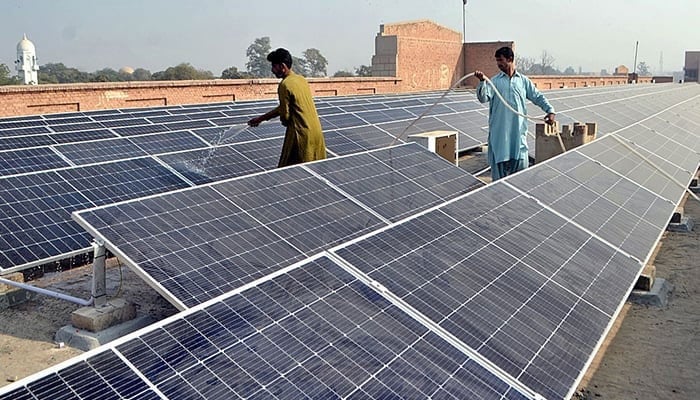
- Dust accumulation
- High ambient temperatures
- Cleaning frequency
Long-term performance should always be evaluated alongside solar panel degradation rate, not just short-term generation numbers.
Installation and Maintenance Considerations
Ground-mounted solar requires more preparation than rooftop installations.
Ground Preparation and Structural Setup
Installation may involve:
- Soil assessment
- Concrete foundations or driven piles
- Precise levelling and alignment
These steps increase upfront cost but are critical for system stability and lifespan.
Cleaning, Monitoring, and Security
While maintenance access is easier than on rooftops, open installations still require fencing, monitoring, and theft prevention, particularly in remote areas.
Costs and Planning Factors
Ground-mounted systems typically cost more upfront than rooftop solar, but cost alone should not drive the decision.
Why Ground-Mounted Systems Cost More?
Higher costs usually come from:
- Civil work and mounting structures
- Longer cable runs
- Land preparation and security
These factors are often ignored when systems are compared only on per-watt pricing.
When Higher Cost Makes Sense Long-Term?
For large installations, better efficiency and scalability can justify a higher initial investment over the system’s lifetime. Panel quality matters here, which is why understanding A Grade vs B Grade Solar Panels is essential for long-term planning.
Permissions, Regulations, and Practical Constraints in Pakistan
Ground-mounted systems connected to the grid follow the same net-metering regulations as rooftop solar systems. Nonetheless, distance to the grid may determine the costs involved.
Typically, the rural installations will be less restricted by zoning regulations than installations intended to repurpose an agricultural facility into a commercial operation.
Common Mistakes People Make with Land Solar Systems
Most problems arise from planning errors, not technology.
Underestimating Shading Risks
Trees, boundary walls, or future construction can significantly reduce output if not accounted for during layout planning.
Overbuilding Without Energy Assessment
Installing oversized systems without matching them to actual consumption often leads to poor returns. This mistake is common in rushed ground-mounted solar panels in Pakistan projects that skip proper assessment.
How to Decide If Ground-Mounted Solar Is Right for You?
Before committing, ask yourself:
Will the land remain clear for the system’s lifetime?
Ground-mounted solar panels require uninterrupted sunlight for 20–25 years.
If the land is likely to be used for construction, tree growth, boundary walls, or expansion of nearby structures, ground-mounted solar will lose efficiency over time.
If the land is permanently unused or designated for energy production, ground-mounted solar remains viable for its full lifespan.
Is your energy demand large enough to justify land-based solar?
Ground-mounted solar is justified when electricity demand is high and continuous, such as in farms, factories, tube wells, warehouses, or large estates.
For small or moderate household consumption, rooftop solar typically meets energy needs more efficiently without occupying land or adding security and civil costs.
Would rooftop solar meet your needs more simply?
Yes, for most urban and residential properties, rooftop solar is simpler, faster to install, and more cost-effective.
If the roof structure, orientation, and space are adequate, rooftop solar delivers reliable performance without additional land preparation, fencing, or long cable runs.
If rooftop space is sufficient and structurally sound, rooftop solar is usually the better option. If scale, flexibility, and future expansion are more important, land-based solar systems become the stronger choice.
Are ground-mounted solar panels more efficient than rooftop systems?
Ground-mounted solar panels can perform better due to optimal tilt, spacing, and airflow.
However, better performance is achieved only when systems are properly designed and maintained. Poor layout or shading can eliminate this advantage.
Final Thoughts: Ground-Mounted Solar Panels in Pakistan
Ground-mounted solar panels are not inherently superior to rooftop ones. They are a robust solution only when applied in the right manner. Careful planning will ensure they are scalable, flexible, and will function effectively for the long term. Otherwise, they may pose unnecessary complexity.
Ground-mounted solar panels in Pakistan are not superior by default. They are effective only when land availability, energy demand, and long-term planning align. When these conditions are not met, rooftop solar remains the simpler, cheaper, and more practical solution.
Independent Power: Connect with Enon Traders Today!
Start your off-grid journey with Pakistan’s most reliable solar partner.
| Connect With Us | Action Link |
| Chat Instantly on WhatsApp | Get an off-grid system quote: Click to Chat Now! |
| Visit Our Website | View our off-grid inverters: Official Website |
| Call Our Experts | Design your custom micro-grid: Contact Page |