Net Metering Approval Time in Pakistan: Real Processing Time, Delays, and What to Expect
February 26, 2026
Solar Mounting Structures in Pakistan (2026 Complete Engineering Guide)
March 3, 2026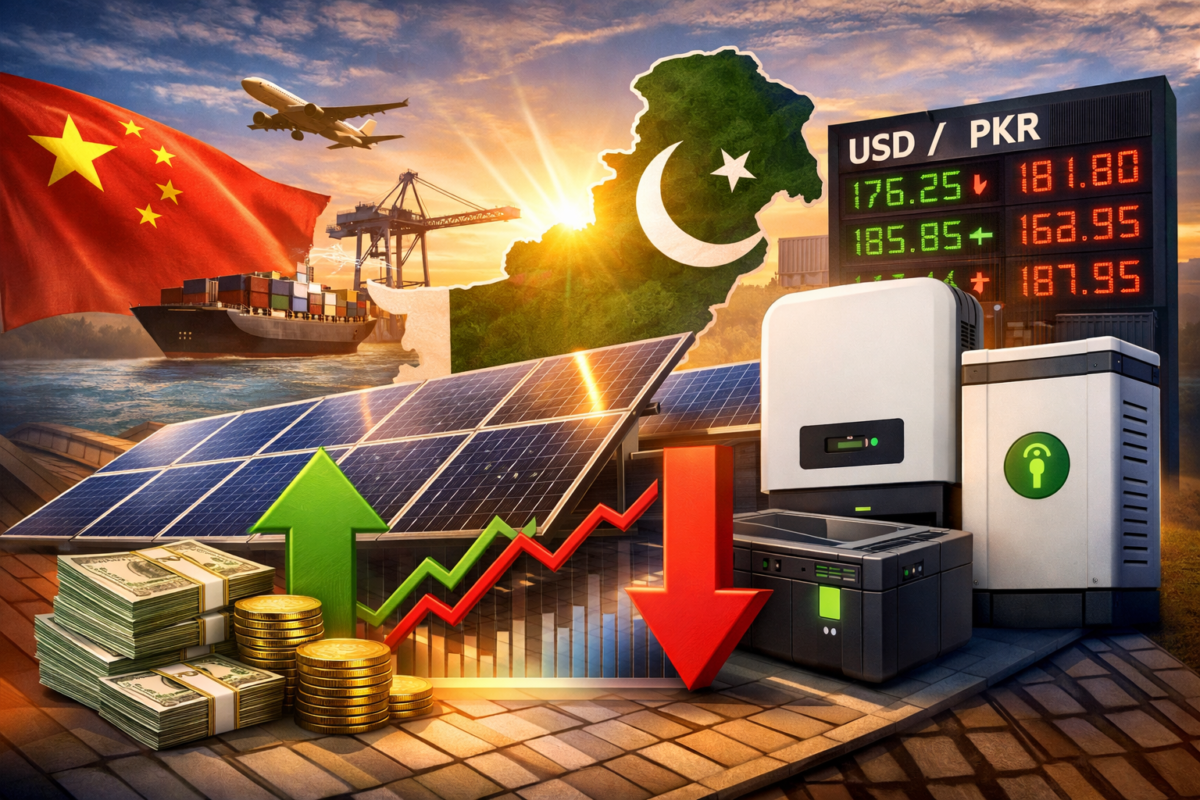
Imported solar equipment prices in Pakistan confuse many buyers because they do not behave like normal retail prices. People expect stability or gradual decline. Instead, quotes change within weeks, sometimes without any visible local reason. This uncertainty creates hesitation. Buyers begin questioning whether to wait, buy now, or avoid imported equipment altogether.
The confusion does not come from dishonesty. It comes from misunderstanding how imported pricing actually works. Pakistan relies heavily on imported solar equipment, with the majority of panels, inverters, and lithium batteries sourced from China. Two identical systems can differ in price by several percentage points purely due to import timing, even when installed in the same month. The difference often reflects exchange rate conditions at the time the equipment cleared customs.
This article explains how imported solar equipment prices in Pakistan are formed, why they fluctuate, and how buyers can read them with confidence. The goal is not to push a purchase. The goal is clarity.
What “Imported Solar Equipment” Really Means in Pakistan
For example, solar equipment imports are not a single item, but rather individual imports of solar panels, inverters, and their batteries, even in cases where it is claimed to be assembled or made-in-Pakistan. The basic components of these, such as solar cells and parts of inverters, such as inverter control boards, and cells of lithium-ion batteries, etc., are all imported.
There are three channels through which this equipment ends up in the market. Firstly, some of the equipment enters the market through official distributors, who pay duty, documentation, and have registered warranties. Secondly, some of the equipment enters the market through the direct import route, mainly through installers/trader firms, in smaller quantities. Thirdly, the equipment also enters the market in smaller quantities through unofficial channels with limited documentation:
China dominates global solar manufacturing, producing well over two-thirds of the world’s solar panels and a significant share of inverters and lithium batteries. Industry estimates suggest that over 85–90 percent of solar panels and inverters installed in Pakistan rely on imported components, with China supplying the majority of core equipment even when final assembly is local.
Imported Solar Equipment Prices in Pakistan: The Current Market Reality
Imported solar equipment prices in Pakistan rarely remain flat for long. Installers often quote price ranges instead of fixed numbers. This is not always a sales tactic. It reflects uncertainty around replacement cost.
Two systems with similar specifications can carry different prices simply because they were imported at different times. Stock cleared when the rupee was relatively stable carry a lower base cost. Newer shipments imported after currency depreciation cost more. Installers must price based on what it will cost to replace that stock, not what it cost months ago.
This timing effect explains much of the price variation buyers experience, even when local demand appears unchanged.
Imported Solar Price Reality in Pakistan (Quick Summary)
- Prices move in cycles rather than steady declines
- Dollar movement affects prices faster than local demand
- China’s supply decisions influence availability and cost
- Short-term waiting rarely delivers meaningful savings
This context matters more than day-to-day quote differences.
The Core Factors Driving Imported Solar Prices
Exchange Rate Sensitivity
The US dollar remains the most powerful driver of imported solar pricing. A weakening rupee leads to quick upward price adjustments. When the rupee stabilises or strengthens, price reductions tend to lag. Importers and installers delay cuts to protect against replacement risk.
This delay frustrates buyers, but it reflects basic risk management rather than manipulation.
Duties, Taxes, and Clearing Costs
Import duties, sales tax, and withholding charges add directly to equipment cost. Fully duty-paid equipment usually costs more upfront but provides stronger warranty backing and traceability. Cheaper quotes often rely on partial duty treatment, which reduces initial cost but increases long-term risk.
Port congestion, demurrage, and customs clearance delays also affect final pricing. These costs are rarely visible to end buyers but significantly influence importer pricing decisions.
Shipping and Inventory Cycles
Global freight availability plays a role. When shipping capacity tightens, landed costs rise. When large shipments arrive together, prices may soften temporarily. These inventory cycles explain price movement even when local installation activity remains steady.
How China Solar Imports Shape Local Pricing
Chinese manufacturers adjust production based on global demand. Large markets such as Europe, the Middle East, and the United States absorb enormous volumes. When those markets heat up, supply tightens elsewhere. Pakistan feels this impact almost immediately.
China currently accounts for well over two-thirds of global solar panel manufacturing capacity, along with a dominant share of inverter and lithium battery cell production. When Chinese factories adjust output or pricing for large export markets, smaller import-dependent countries like Pakistan feel the impact almost immediately.

Why Imported Prices Feel Unstable to Buyers
Most quotes come with short validity periods. This is not always pressure selling. It reflects exposure to currency volatility and uncertainty around replacement cost.
In practice, many installer quotes remain valid for 7 to 15 days, and sometimes less during periods of currency movement. This short validity window reflects exposure to replacement cost risk rather than artificial pressure tactics.
Imported Versus Locally Assembled Equipment
Performance differences between imported and locally assembled equipment are often overstated. What matters more is quality control and after-sales support.
Cheap imported equipment without proper backing can fail early. Well-supported systems, even if assembled locally, often perform more reliably over time. Buyers should judge value over system life rather than origin alone.
When Imported Solar Equipment Makes Financial Sense
Imported equipment is often better suited for commercial and industrial systems. These installations operate heavy loads and benefit from higher efficiency, longer warranties, and stable performance under sustained use.
Residential systems usually perform best with a balanced approach. Many homes use imported panels combined with locally supported inverters or protection equipment. This approach reduces upfront cost while maintaining reliability.
For a realistic cost context, it helps to review the Rooftop solar cost in Lahore (2025–26), which explains how imported and local components combine in real installations.
Reading Imported Solar Prices More Intelligently
Informed buyers ask better questions. When was the equipment imported? Is the duty fully paid? What warranty channel supports it? These details matter more than the headline price.
Long-term return matters more than small price differences. Understanding system payback helps evaluate whether a higher upfront cost makes sense, which is why guides such as the home solar payback period in Pakistan are essential for realistic decision-making.
Common Buyer Mistakes in the Imported Market
One common mistake is assuming that imported automatically means better. Another is chasing the lowest per-watt price without verifying grade or authenticity. Downgraded and counterfeit panels exist in the market.
Learning how to assess quality reduces risk, as explained in Choosing quality solar equipment in Pakistan.
Installation quality also plays a major role. Poor grounding, weak wiring, and missing protection devices degrade performance. Many system failures result from installation errors rather than equipment defects, which is whythe Rooftop solar installation mistakes in Pakistan remain a critical reference for buyers.
Battery Costs and Imported Decisions
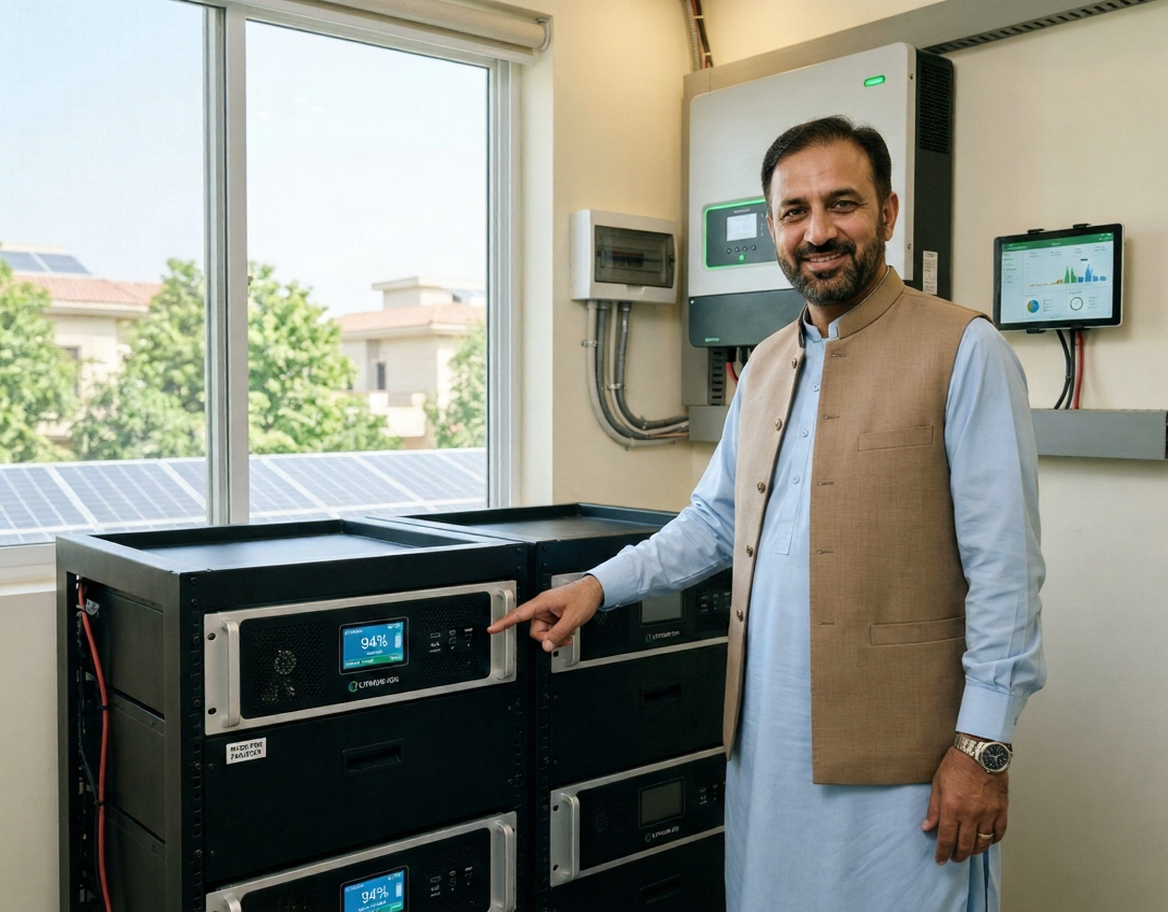
Imported batteries create the most confusion. Lithium batteries from China offer longer life cycles and stable output but carry a higher upfront cost. Tubular batteries cost less initially but require earlier replacement.
For households facing persistent load shedding, battery backup often feels unavoidable. The decision depends on usage patterns and grid reliability, which is explored in Home solar battery storage in Pakistan (2026).
Policy Changes and Price Expectations
Policy affects returns more than equipment prices. Export rates, net billing rules, and grid limitations shape long-term system value. Imported pricing matters, but policy determines overall economics.
Understanding these shifts helps prevent disappointment later, especially when reviewing the Solar export rate changes in Pakistan.
Final Takeaway
The price of imported solar equipment is expected to vary within a certain range in Pakistan rather than a sharp drop. Waiting for the “perfect” option to decrease spending is analogous to waiting to save, simply not doing anything until a better time for not taking action arrives.
Buyers who understand the price drivers start making better decisions. They stop reacting to rumors and begin to think through quotes logically. This is worth a great deal more than a couple of cents or dollars. Investing in solar energy involves long-term considerations. Knowing the fundamentals today ensures securing its value over the long term.
Independent Power: Connect with Enon Traders Today!
Start your off-grid journey with Pakistan’s most reliable solar partner.
| Connect With Us | Action Link |
| Chat Instantly on WhatsApp | Get an off-grid system quote: Click to Chat Now! |
| Visit Our Website | View our off-grid inverters: Official Website |
| Call Our Experts | Design your custom micro-grid: Contact Page |