Tier 1 Solar Panel Brands in Pakistan
January 1, 2026
Solar Panel Degradation Rate in Pakistan
January 5, 2026
If you are searching for a solar panel efficiency comparison in Pakistan, you are likely trying to answer a very practical question:
Which solar panels actually perform better on Pakistani rooftops, not just on paper?
Efficiency numbers are everywhere. Panels are marketed as 21 percent, 22 percent, or even higher. Installers often assume that higher efficiency automatically translates into higher electricity generation and better results.
In real installations across Pakistan, that assumption frequently proves incorrect.
Solar panel efficiency is one of the most misunderstood concepts in Pakistan’s solar market. Laboratory ratings look impressive, but rooftops in Lahore, Karachi, Islamabad, Faisalabad, and Multan operate under extreme heat, dust exposure, pollution, and limited roof space. These conditions influence how solar panels behave every single day.
This guide explains solar panel efficiency in practical, real-world terms. You will learn how efficiency is measured, why it behaves differently in Pakistan, how different solar panel technologies compare, and how to read an efficiency chart without being misled. By the end, you should feel confident evaluating efficiency claims based on real performance rather than marketing figures.
What Solar Panel Efficiency Actually Means?
Solar panel efficiency measures how much sunlight a panel converts into usable electricity.
When a panel is rated at 21 percent efficiency, it means that under specific test conditions, it converts 21 percent of the solar energy it receives into electrical energy.
This definition is technically correct, but it does not tell the full story.
How Solar Panel Efficiency Is Measured?
Manufacturers test solar panels under Standard Test Conditions (STC). These conditions assume:
• Light intensity of 1000 W/m²
• Cell temperature of 25°C
• No dust, no shading, and ideal airflow
Such conditions rarely exist on Pakistani rooftops.
During peak summer months, rooftop panel temperatures in Pakistan often exceed 60°C. This temperature difference alone can significantly reduce real-world power output, even when sunlight remains strong.
Why Efficiency Alone Does Not Guarantee Higher Output?
Two panels with nearly identical efficiency ratings can produce very different amounts of electricity once installed. Efficiency ratings do not account for:
• Heat tolerance
• Temperature coefficient losses
• Dust accumulation
• Long-term degradation
• Roof orientation and airflow
This is where buyer confusion usually begins. Efficiency percentages are often compared in isolation, without understanding what those numbers fail to include.
Why Solar Panel Efficiency Behaves Differently in Pakistan?
Pakistan’s climate is not neutral. Heat, dust, and urban conditions directly influence solar performance, often more than small differences in efficiency ratings.
High Temperatures and Efficiency Loss
As solar cells heat, their voltage drops. This reduces output even when sunlight remains strong.
This behaviour is described by the temperature coefficient.
Panels with better temperature coefficients lose less power as temperatures rise. In Pakistan’s climate, this characteristic often matters more than a one-percent difference in laboratory efficiency.
In real installations, it is common to see a slightly lower-efficiency panel outperform a higher-efficiency panel simply because it handles prolonged heat more effectively.
Dust, Pollution, and Soiling Effects
Dust is not a minor issue in Pakistan. Dry weather, construction activity, and air pollution cause panels to accumulate dirt quickly. Regular solar panel maintenance checks help detect dust buildup, loose connections, and early performance losses before they reduce overall system output.
Some panels recover output better after light soiling, while others suffer noticeable losses within weeks if not cleaned. Efficiency ratings do not reflect this behaviour.
Two panels with identical rated efficiency can show very different monthly generation if one handles dust accumulation better.
For maintenance and cleaning impact.
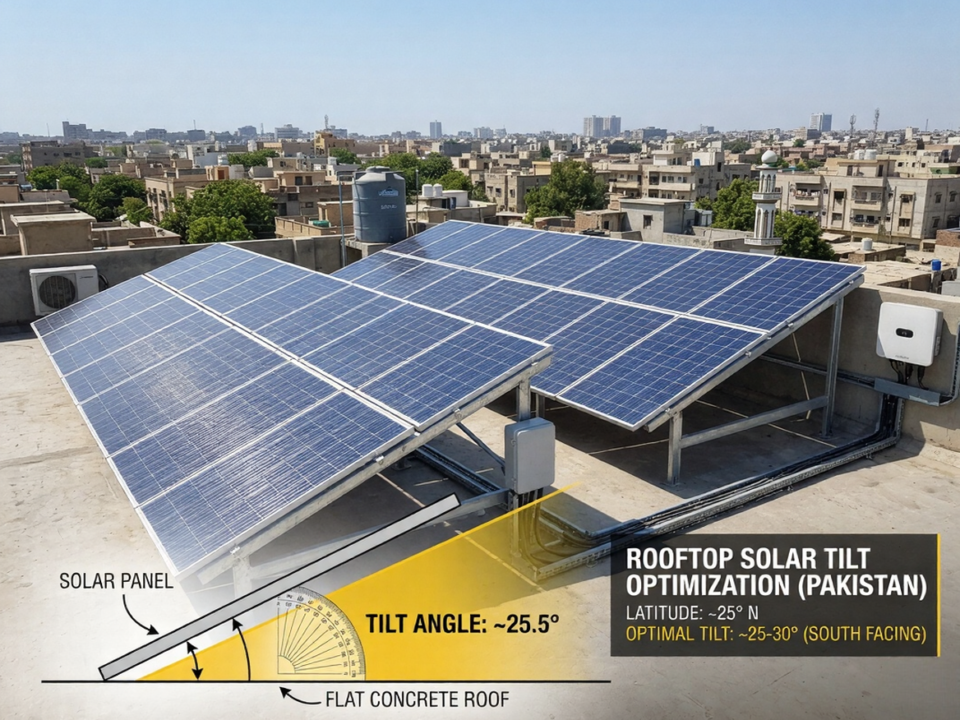
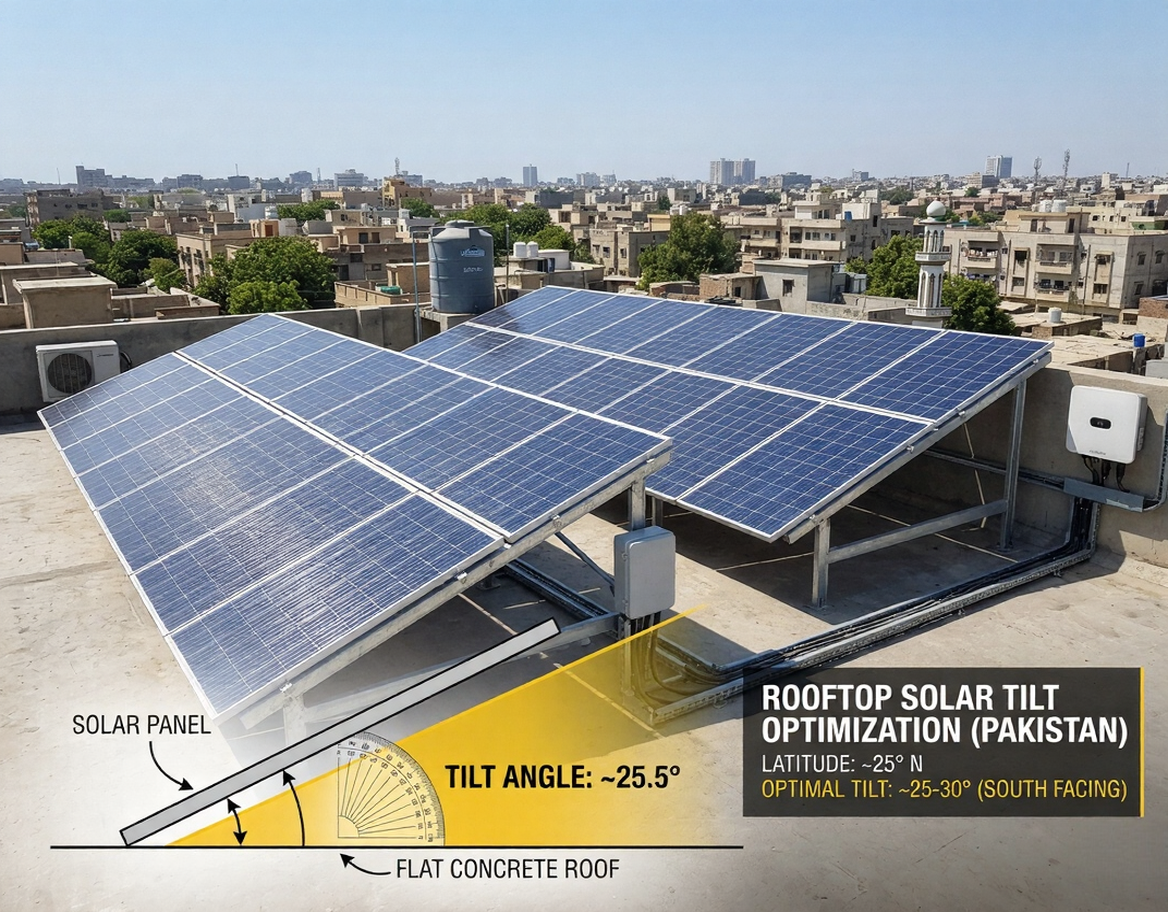
Roof Orientation, Tilt, and Partial Shading
Efficiency numbers assume perfect orientation. In reality, many residential rooftops:
• Face east or west instead of south
• Have sub-optimal tilt angles
• Experience partial shading during the day
Under these conditions, stable and predictable output often matters more than peak efficiency figures.
Solar Panel Efficiency Comparison in Pakistan by Technology
In Pakistan’s climate, solar panel performance depends more on heat tolerance and degradation rate than on small differences in laboratory efficiency.
N-type panels generally perform better than P-type panels on Pakistani rooftops because they lose less output in high temperatures and maintain efficiency more consistently over time.
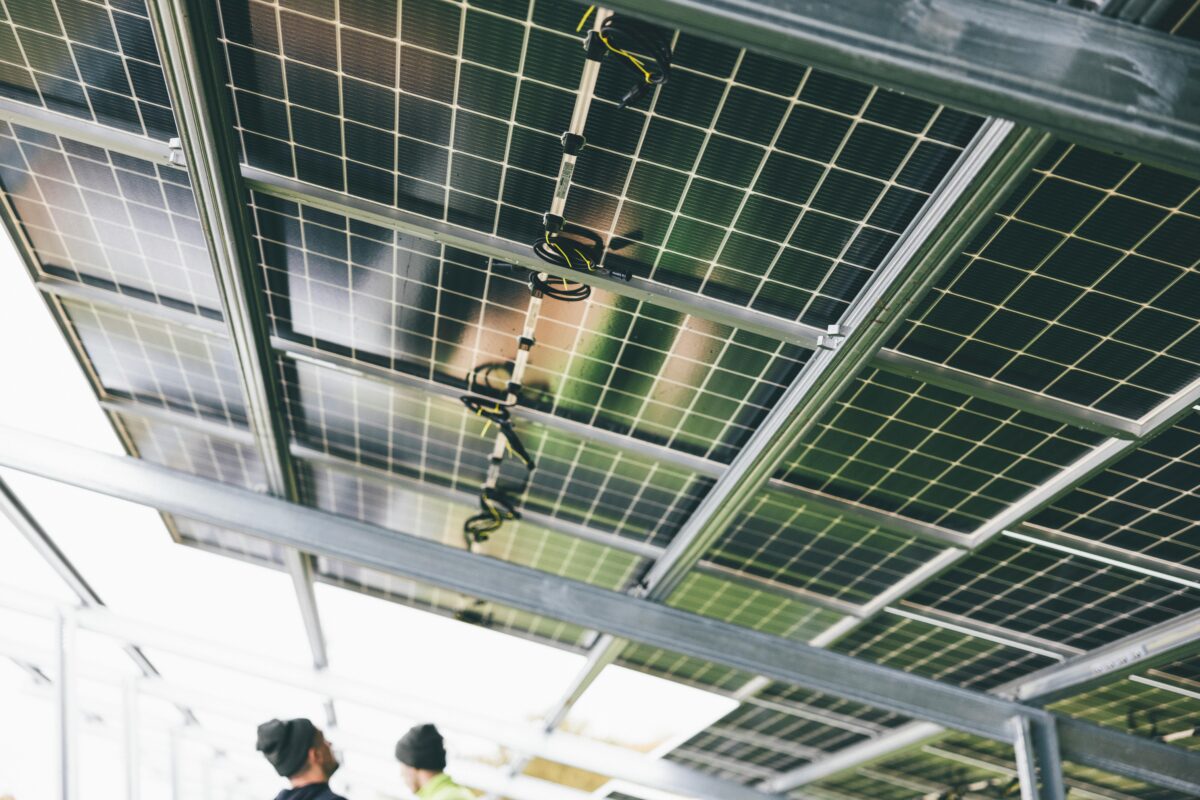
Bifacial panels only deliver a clear advantage when installed in open or elevated setups. On most residential rooftops with limited spacing, their efficiency gain is minimal.
For typical urban installations, panels that combine reasonable efficiency with strong thermal stability deliver the most reliable long-term results.
Monofacial vs Bifacial Panel Efficiency
Monofacial panels generate power from the front side only. Their efficiency ratings are straightforward and predictable.
Bifacial panels generate power from both the front and rear. Their advertised efficiency usually refers only to the front side. Any rear-side gain depends on:
• Mounting height
• Roof reflectivity
• Panel spacing
In Pakistan, bifacial panels can outperform monofacial panels in open commercial or ground-mounted installations. On tightly packed residential rooftops, the efficiency advantage is often limited.
P-Type vs N-Type Solar Panel Efficiency
P-type panels have been used for years and remain common. However, they tend to lose more output under heat and degrade faster over time.
N-type panels offer better thermal stability and slower degradation. Their advantage lies not only in higher efficiency ratings but in more consistent long-term performance, which is especially valuable in Pakistan’s hot climate.
PERC, TOPCon, and HJT Technologies
PERC technology improved efficiency by capturing more reflected light within the cell.
TOPCon and HJT technologies reduce internal electrical losses further and improve temperature behaviour. In Pakistan, their real benefit is thermal stability and longevity, not just higher initial efficiency numbers.
How to read a solar panel efficiency chart?
Efficiency charts are useful only if they are read correctly.
Typical Efficiency Ranges by Panel Technology
| Panel Technology | Lab Efficiency Range | Heat Behaviour | Real-World Suitability in Pakistan |
| P-Type Monofacial | 19-21% | Higher heat loss | Moderate |
| N-Type TOPCon | 21-23% | Better thermal stability | High |
| HJT | 21-23% | Excellent heat resistance | High |
| Bifacial | 20-22% (front) | Depends on setup | Site-specific |
What Efficiency Charts Do Not Show?
Efficiency charts do not reflect:
• Temperature losses
• Dust accumulation
• Annual degradation rates
• Inverter compatibility
• Installation quality
Relying on charts alone is one of the most common mistakes buyers make.
For the inverter’s impact on performance.
Efficiency vs Real Output on Pakistani Rooftops
This is where expectations often clash with reality.
In multiple residential installations observed across Lahore and Islamabad, systems with similar rated efficiency produced noticeably different outputs during peak summer months. Panels with better thermal behaviour consistently delivered higher daily generation despite slightly lower laboratory efficiency ratings.
Residential vs Commercial Efficiency Considerations
On small residential rooftops, higher efficiency can help maximise output where space is limited.
On larger rooftops or open installations, consistent performance matters more than peak efficiency.
Efficiency should always be matched to system design, not pursued blindly.
Common Misconceptions About Solar Panel Efficiency
Higher efficiency always means more electricity
Only under ideal laboratory conditions.
Efficiency equals quality
Efficiency measures conversion, not durability or lifespan.
Efficiency stays the same over time
All panels degrade. Solar panel degradation rate in Pakistan matters
more than the day-one efficiency.
How to Choose the Right Efficiency Level?
Higher efficiency can help, but only when paired with good heat tolerance.
For Large Rooftops or Open Installations
Ultra-high efficiency is often unnecessary. Stable output delivers better long-term results.
Think Beyond Headline Numbers
Ask how the panel performs after several years, not just on installation day.
Key Takeaways from the Solar Panel Efficiency Comparison in Pakistan
Choosing the right efficiency level depends on rooftop conditions, not headline numbers.
On small or space-limited rooftops, higher efficiency panels can help maximise output if they also handle heat well.
On larger rooftops, stable performance and lower temperature losses matter more than ultra-high efficiency ratings.
In hot regions of Pakistan, panels with better temperature coefficients often produce more electricity over the year than panels chosen purely for higher laboratory efficiency.
Solar panel efficiency is not a single number that defines performance. In Pakistan, real-world output depends on:
• Heat behaviour
• Dust resistance
• Degradation rate
• System design
Understanding these factors helps avoid costly mistakes and leads to better long-term results.
Efficiency should guide decisions, not replace practical judgment.
Final Thoughts: What Matters Beyond Efficiency
Before committing to a solar system, focus on more than efficiency ratios. Installation quality, inverter compatibility, shading analysis, net-metering strategy, and maintenance planning all play a critical role.
A well-designed system using sensible efficiency choices will always outperform a poorly planned system built around impressive numbers alone. In Pakistan’s climate, panels that deliver stable output year after year will always outperform panels chosen purely for impressive efficiency numbers.
Independent Power: Connect with Enon Traders Today!
Start your off-grid journey with Pakistan’s most reliable solar partner.
| Connect With Us | Action Link |
| Chat Instantly on WhatsApp | Get an off-grid system quote: Click to Chat Now! |
| Visit Our Website | View our off-grid inverters: Official Website |
| Call Our Experts | Design your custom micro-grid: Contact Page |