Impact of Changing Buy-Back / Export Rate for Solar in Pakistan: What Homeowners Should Know
November 25, 2025
5 Ways Factories in Pakistan Are Saving via Solar Installations
November 26, 2025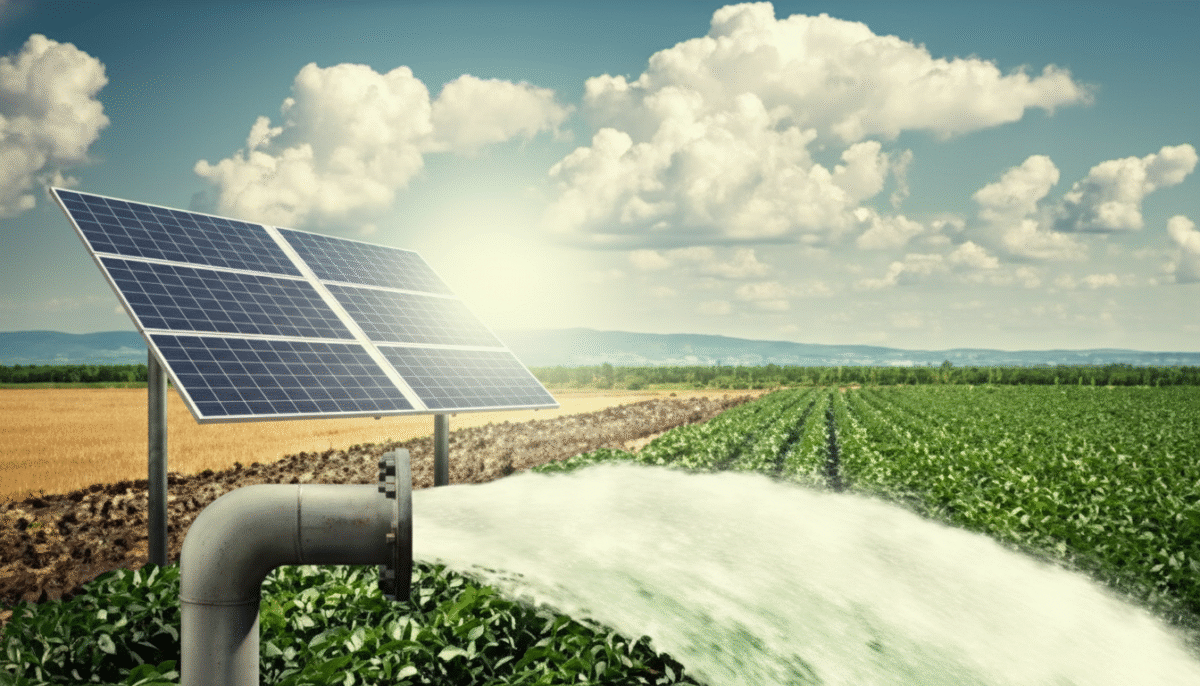
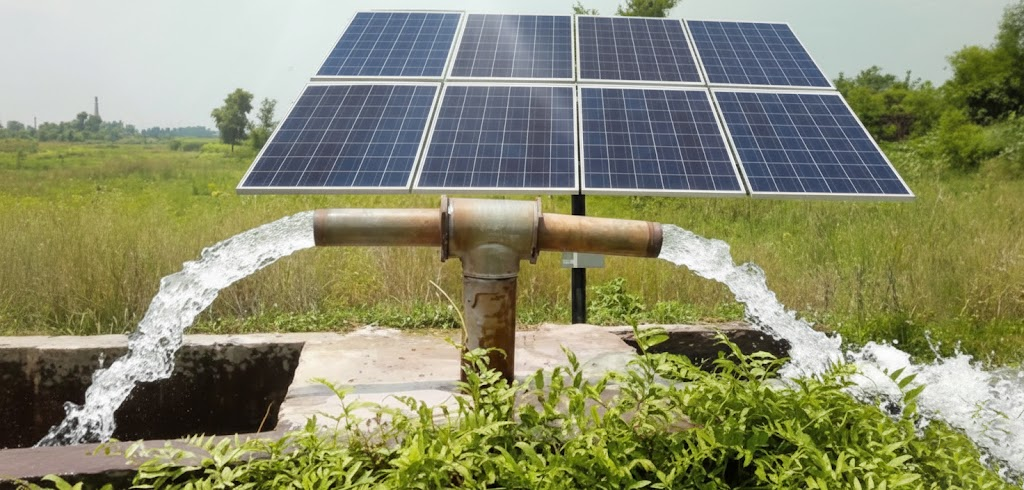
Punjab’s farmers are rapidly shifting from diesel-powered tube wells to solar-powered irrigation systems. With rising fuel prices, heavy load-shedding, and the need for reliable water supply, solar irrigation has become one of the smartest agricultural investments in Pakistan.
Below is a simple, human-readable breakdown of the benefits, risks, and a special section on why INVT VFDs are one of the best solutions for solar-powered tube wells.
What Are Solar-Powered Tube Wells?
A solar-powered tube well uses solar panels to run a submersible or surface pump. Instead of depending on diesel or unstable WAPDA supply, the system works entirely on sunlight.
Solar pumping is ideal for:
- Wheat, rice, and sugarcane fields
- Fodder and livestock farms
- Drip & sprinkler irrigation
- Agricultural ponds and reservoirs
Punjab’s strong sunlight makes solar irrigation efficient and cost-effective throughout the year.
Benefits of Solar Tube Wells in Punjab
1. Big Savings on Diesel & Electricity Bills
Farmers can save PKR 15,000–50,000 per month on fuel. After installation, solar pumping has zero running cost.
To explore reliable solar components, visit the Enon Traders Shop.
2. No More Load-Shedding Interruptions
Load-shedding and voltage drops can badly affect crop cycles. Solar pumps work independently from the grid, ensuring consistent irrigation.
Learn more about solar solutions at What Can We Do For You.

3. Long-Term Reliability (20+ Years)
High-quality solar panels last 20–25 years. You can explore top-tier brands like LONGi, Canadian Solar, and Jinko in the Solar Panels Category.
For hybrid pumping setups, check the Solar Inverters Category.
4. Eco-Friendly Irrigation
Solar energy reduces diesel usage and carbon emissions, supporting sustainable farming in Pakistan.
Risks & Challenges Farmers Should Consider
1. High Initial Investment
The upfront cost depends on pump HP, depth, and water requirements. You can estimate costs on the Pricing Page.
2. Lower Output in Winter & Cloudy Days
Solar pump discharge may reduce by 20–40% in low sunlight. Many farmers use hybrid or VFD-supported systems to maintain water supply.
3. Water Table Variations
Punjab’s water table varies significantly. Deep wells (above 150 ft) require larger pumps and more solar power. Proper system sizing is essential.
4. Maintenance Needs
Panel cleaning and electrical inspections are required for best performance.
Professional help is available through Solar Panel Cleaning Services.
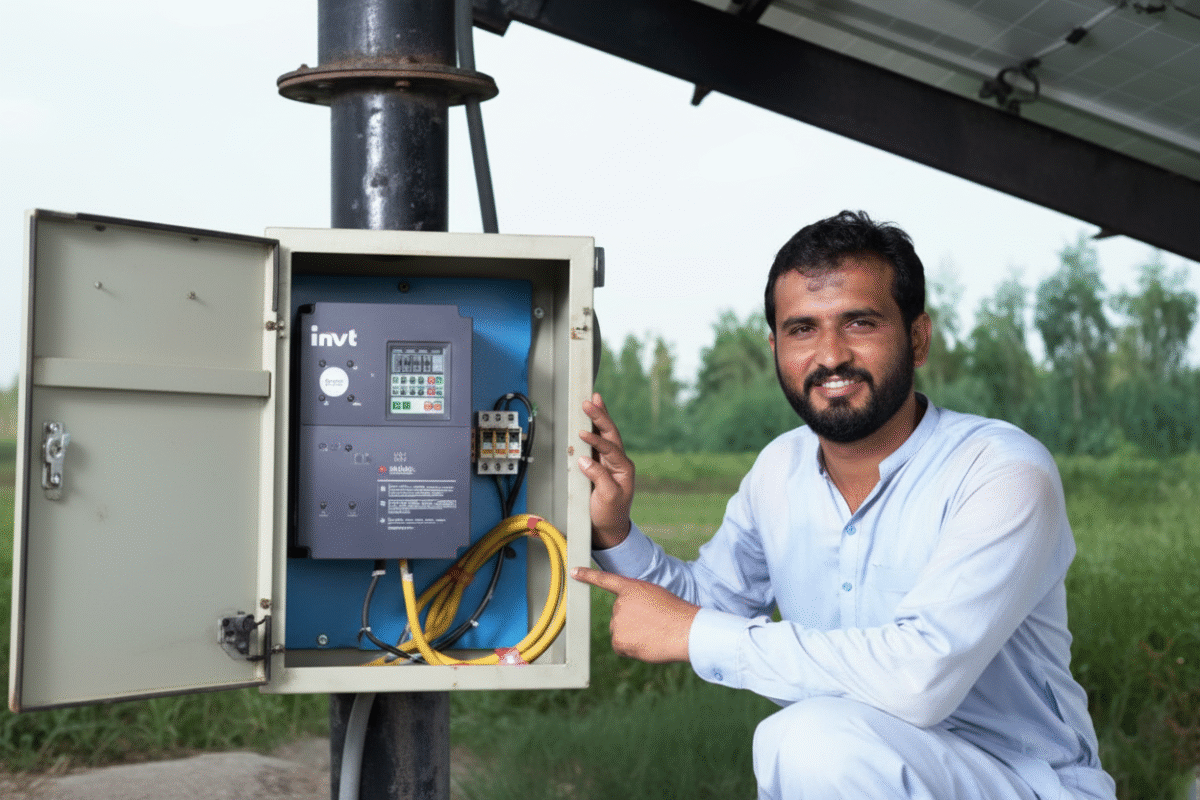
Why INVT VFD Is Better for Solar Tube Wells
An INVT VFD (Variable Frequency Drive) can significantly improve the performance and reliability of solar pumping systems.
✔ Smooth Motor Start
VFDs prevent sudden power surges and protect the pump from damage.
✔ Maximum Water Output in Low Sunlight
INVT VFD adjusts pump speed based on sunlight availability, ensuring:
- Longer pumping hours
- Improved performance during cloudy weather
- Higher efficiency
✔ Works With Solar + Grid + Generator
INVT VFDs automatically switch between power sources, making irrigation continuous.
✔ Lower Electricity Bills
VFDs optimize motor speed, reducing electricity use when connected to the grid.
✔ Best for Deep Wells & High HP Motors
INVT VFDs handle heavy loads and deep tube wells, making them ideal for Punjab’s agriculture sector.
If you’re planning a high-performance solar irrigation system, choosing an INVT VFD is one of the smartest upgrades.
Who Should Install a Solar Tube Well?
Solar irrigation is best for farmers who:
- Spend heavily on diesel
- Face load-shedding frequently
- Need regular irrigation
- Want long-term savings
- Have stable water tables
If these apply, solar tube wells are a solid investment.
📞 CTA — Get Professional Solar Solutions From Enon Traders
Choose the right solar pumping system with expert guidance from Enon Traders.
📲 WhatsApp Us
🌐 Visit Website
📧 Learn More
📚 References
- Punjab Agriculture Department – Solar Irrigation Insights
- FAO – Solar Pumping Technical Guide
- PARC – Renewable Irrigation Research
- PCRET – Solar Water Pumping Manual
- NEPRA – Renewable Energy Guidelines