Lithium vs Tubular Battery in Pakistan: A Practical Battery Comparison
January 20, 2026
MPPT Inverter Technology in Pakistan Explained
January 21, 2026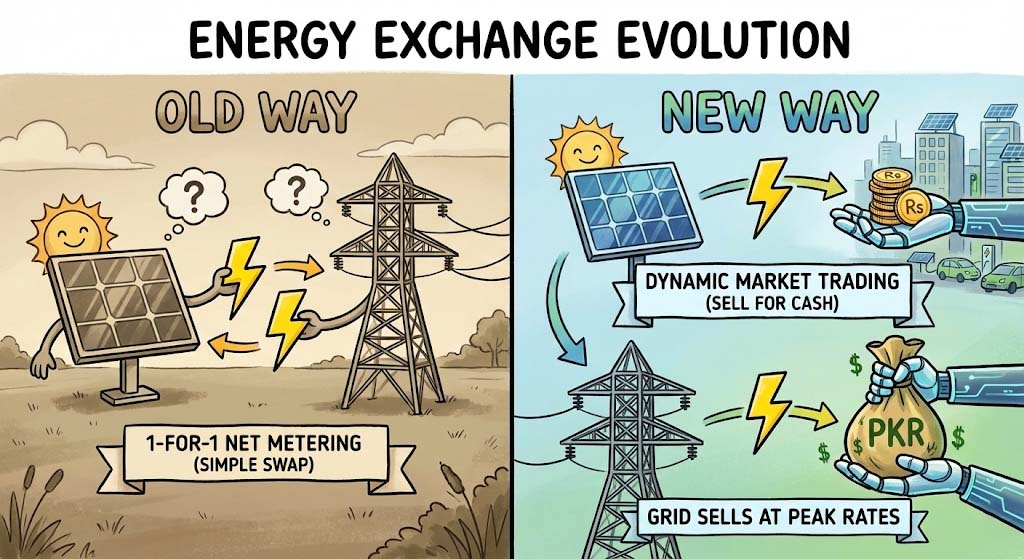
Introduction: The Rules of Solar Have Changed
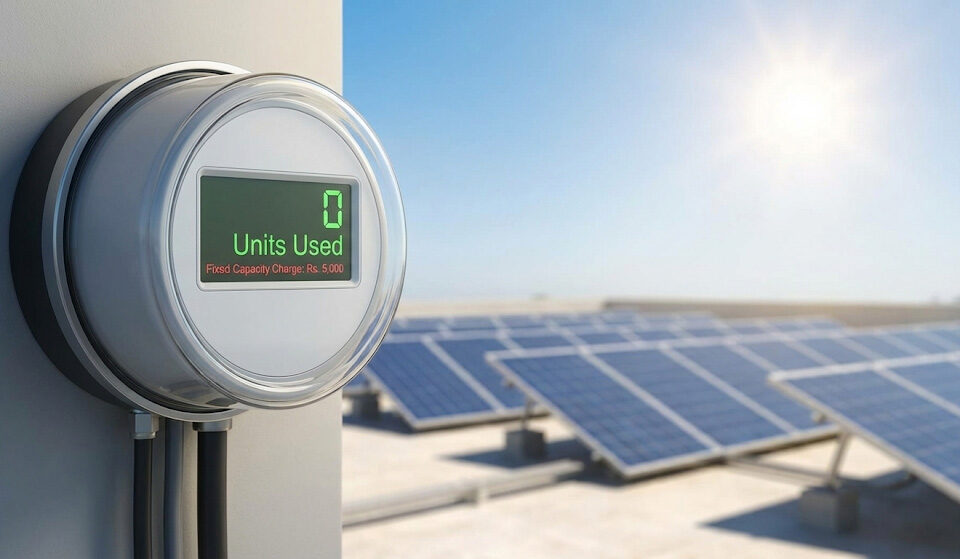
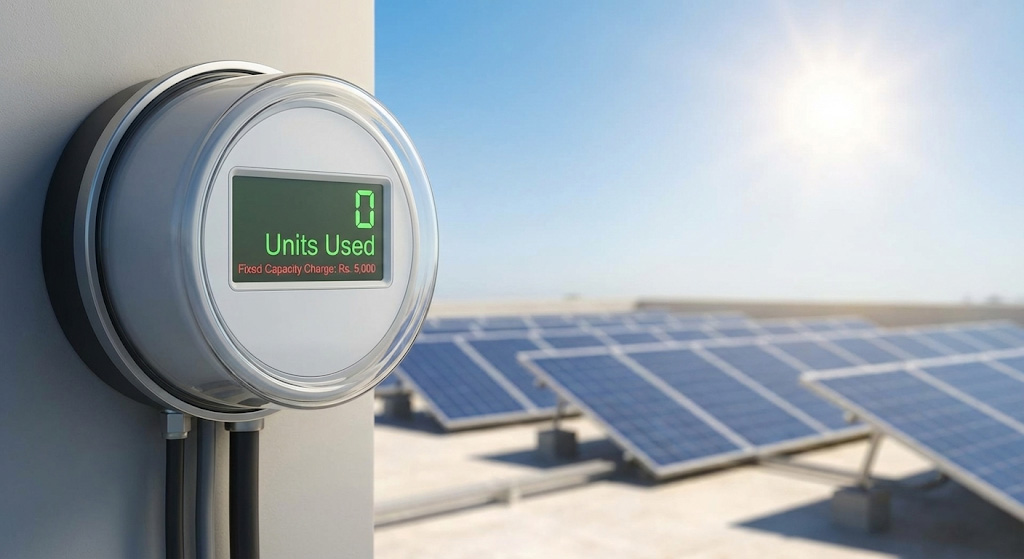
For years, solar owners in Pakistan enjoyed zero electricity bills. This was thanks to “Net Metering.”
But in March 2025, the Economic Coordination Committee (ECC) passed new amendments.1 They shifted the system from Net Metering to Net Billing.
Many people call this a “trap.” Why? Because it changes how you get paid for your extra power.
This guide explains the new Rs. 10/unit buyback rate and how it affects your savings.
The Core Change: “Units” vs. “Cash”
To understand the trap, you must understand the difference between the old and new systems.
The Old Way: Unit-for-Unit (Net Metering)
In the past, it was a simple swap.
- You Export: 1 Unit of electricity to the grid.
- You Import: 1 Unit back from the grid at night.
- Result: The accounts are clear. You pay nothing for the energy.
The New Way: Cash-for-Unit (Net Billing)
Now, the grid treats you like a seller and a buyer separately.
- You Export: The grid buys your solar unit at a low rate (approx. Rs. 10–12).
- You Import: You buy electricity at night at the full tariff (approx. Rs. 50–60 including taxes).
- The Trap: You need to export 5 or 6 units of solar power just to pay for 1 unit of grid power at night.
How This Hurts Your ROI (Return on Investment)
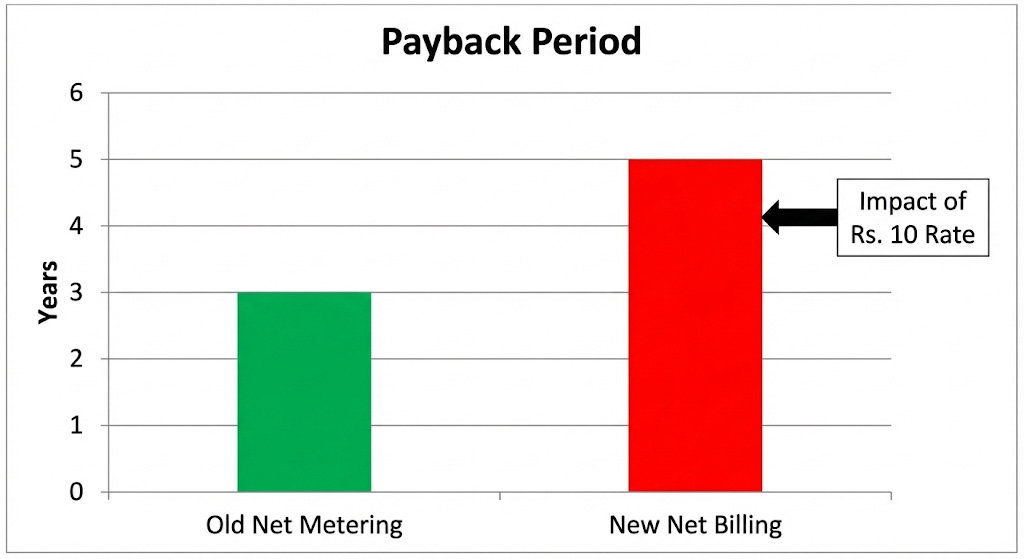
The math is simple but painful. Your payback period—the time it takes to recover your solar investment—has increased.
- Before March 2025: You saved 100% of your bill. Payback was 2.5 to 3 years.
- After March 2025: You only get a small credit for exports. Your night bill remains high. Payback can extend to 4 or 5 years.
If you install a standard On-Grid system now without planning, you might still see a hefty bill at the end of the month.
The Solution: Stop Selling, Start Storing
Is solar dead? No. The strategy has just changed.
The goal is no longer to sell to WAPDA. The goal is Self-Consumption.
- Don’t Export: Instead of selling your power for cheap (Rs. 10), store it.
- Use Batteries: Add solar batteries to your system.
- Save at Night: Use your stored battery power at night. This saves you from buying expensive grid electricity (Rs. 60).
By using a Hybrid System, you bypass the “Net Billing Trap” entirely.

Enon Traders: Helping You Adapt to New Rules
We saw this change coming. Enon Traders helps you design systems that work for today’s rules, not yesterday’s.
- Hybrid-First Design: We prioritize solar inverters that are battery-ready.
- ROI Analysis: We give you a real calculation based on the new Rs. 10 rate, so you are not surprised later.
- Smart Consumption: We help you size your solar panels to match your daytime load perfectly, minimizing low-value exports.
Final Conclusion
The “Net Billing Trap” is real, but you can avoid it. The era of blindly exporting power is over.
To keep your bills zero, you must switch to Hybrid Solar. Store your own power. Do not sell it for pennies.
Beat the Trap: Connect with Enon Traders Today!
Let us design a Hybrid system that protects your savings from low buyback rates.
| Connect With Us | Action Link |
| Chat Instantly on WhatsApp | Get a quote for a Hybrid System: Click to Chat Now! |
| Visit Our Website | Check out our Battery options: Official Website |
| Call Our Experts | Discuss your ROI concerns: Contact Page |