How Pakistan’s Industries Can Reduce Electricity Costs with Solar + Storage
November 27, 2025
Your Home Deserves Better Power: Meet the Affordable TD Hybrid Inverter
December 8, 2025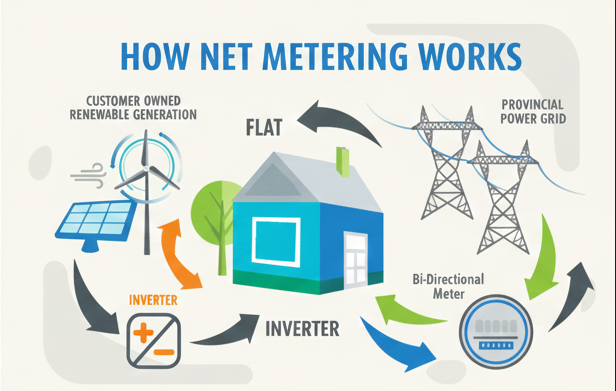
As Pakistan’s energy landscape continues to evolve, recent updates in the net-metering and export policy have created new considerations for commercial, industrial, and large residential solar users. Whether you are running a manufacturing unit, a corporate building, or a high-load household, understanding these policy changes is crucial for calculating ROI, planning system sizing, and securing long-term savings.
In this article, we break down what’s changing, why it matters, and how large consumers can still maximize benefits from solar, especially with professional system design, high-efficiency products, and expert guidance through platforms like Enon Traders.
Understanding the Policy Shift: What’s Actually Changing?
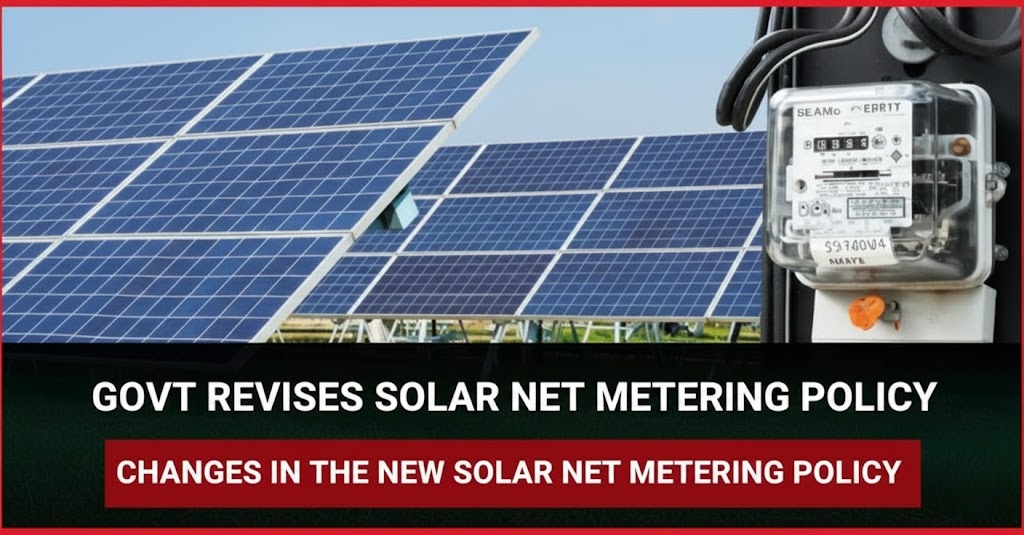
Recent adjustments in Pakistan’s net-metering/export tariff policy focus on reducing the buyback rate for exported units. This means:
- Exported solar electricity will now earn slightly less per unit.
- Energy distribution companies (DISCOs) aim to discourage excessive exports and encourage self-consumption.
- ROI timelines may extend slightly depending on system size and export ratio.
For many large consumers who previously built oversized systems to sell excess electricity to the grid, this shift changes the optimization strategy.
Why Large Consumers Are Affected the Most
Large consumers (industries, warehouses, plazas, farmhouses, etc.) typically install 20 kW–500 kW+ systems. Their installations:
- Generate significantly more daily surplus energy
- Are built with premium equipment such as solar inverters and solar panels
- Often rely on predictable export income to justify investment
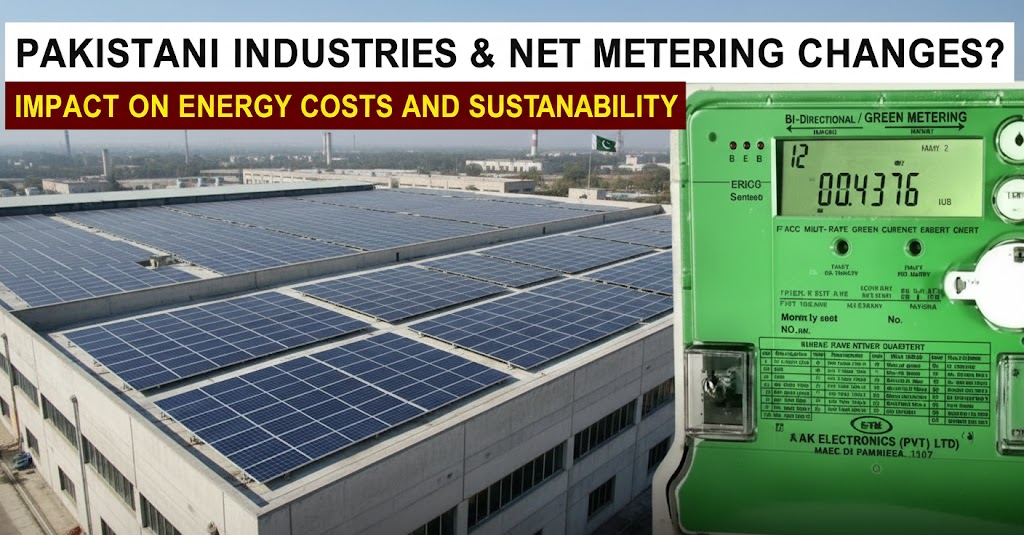
However, systems must now be designed with a smarter balance between self-consumption, battery storage, and load management.
If you’re exploring new system design adjustments, browse the latest high-performance equipment on:
What This Means for Your ROI (Return on Investment)
✔ ROI for export-heavy systems may increase by 6–12 months
But this depends heavily on how much energy you export vs use internally (import).
✔ Self-consuming more energy is now the fastest way to recover investment
Factories, cold storage units, petrol pumps, plazas, and offices have daytime loads ideal for solar utilization.
✔ Batteries are becoming more financially attractive
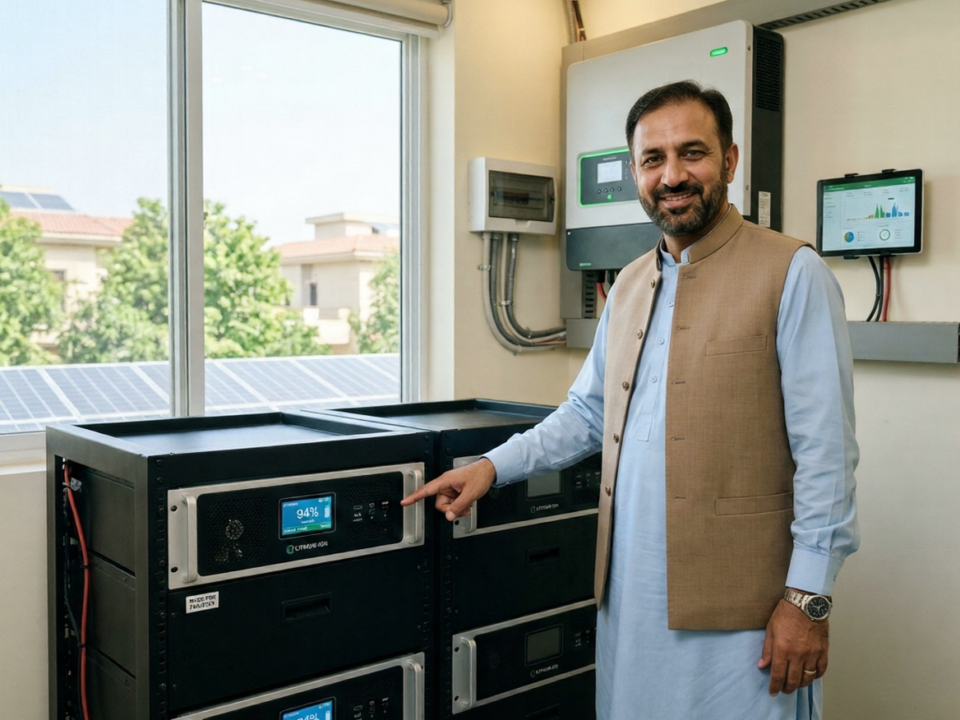
Reduced export units mean storing excess energy in batteries is now often smarter than exporting it, especially during peak hours. This is because the battery costs are reducing and their storage capacities are increasing with advancements in technology. For example, investing an amount of PKR 200,000 in lithium can save up to 13,500 units in its life, which equates to PKR 850,000 accordingly to November 2025 WAPDA unit prices.
Explore reliable storage options in the solar batteries category:
👉 View Solar Batteries
How Large Consumers Should Adjust Their Solar Strategies
1. Focus on Self-Consumption Instead of Maximum Export
Use solar directly during production hours. Shift heavy machinery, HVAC, and equipment operation to solar-active hours where possible.
2. Consider Adding Battery Backup
With improved technology and dropping prices around the world, lithium-ion batteries, especially from reputable brands such as Gripsun, Inverex, and Solax, are becoming a powerful tool to maximise solar efficiency (decrease peak units consumption) in Pakistan.
3. Choose High-Efficiency Solar Panels
Brands like:
deliver better output per square foot—meaning more usable energy for your facility.
4. Upgrade to Smart, High-Yield Inverters
Large consumers benefit from brands such as:
These inverters allow export control, load shifting, smart monitoring, and better energy optimization.
5. Get Expert System Sizing & Financial Guidance
Enon Traders helps businesses and property owners with:
- Professional solar sizing
- ROI forecasting
- Tariff impact analysis
- Product recommendations
- Installation through partner networks
Learn more about us:
👉 About Enon Traders
👉 Contact Us
Does Net-Metering Still Make Sense for Big Systems?
Yes, they absolutely do.
Even with reduced export rates, solar remains one of Pakistan’s best investments for large consumers due to:
- High grid electricity prices
- Unstable electricity supply
- Long-term savings (20–25 years)
- Increased property value
- Significant daytime load coverage
The policy changes simply shift the strategy from “export everything” to “use more energy internally.” That’s a game changer!
Concluding Pointers
Changes in Pakistan’s (NEPRA’s) net-metering/export policy is not a setback entirely. It is an opportunity to build more optimized, smarter, and higher-yielding solar systems.
With the right solar system design, high-efficiency equipment, and expert guidance from Enon Traders, commercial solar systems can continue achieving strong return on investment for life-time.
Need Help Understanding How Commercial Net Metering Policy Affects Your Solar Setup?
Ready to maximize your factory’s solar savings? Contact us now:
🌐 Visit Website: Enon Traders
💬 WhatsApp: Chat with Us